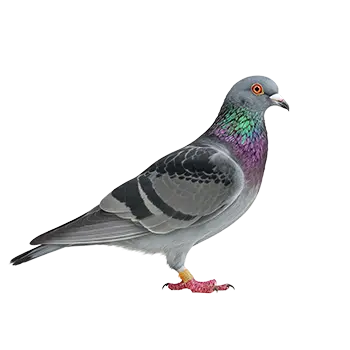

Racing Homer Pigeons are avian athletes whose nutritional demands shift dramatically with the competitive calendar. Unlike ornamental breeds kept primarily for appearance, Homers burn extraordinary amounts of energy during flights that can cover hundreds of miles in a single day, and their diet must supply the fuel for sustained aerobic effort, rapid muscle recovery, and reliable immune function throughout the racing season. Getting the nutritional balance wrong does not merely affect condition — it directly determines whether a bird returns home at competitive speed or struggles to finish.
The macronutrient profile of a Racing Homer's diet centers on carbohydrates and fats as primary energy sources, with protein playing a supporting role in muscle maintenance and feather production. During the racing season, fat becomes the dominant fuel, since pigeons rely heavily on lipid metabolism during long-distance flight. Outside of racing, carbohydrate-rich grains support day-to-day activity without adding unnecessary body fat. Protein requirements increase during the annual molt, when the body diverts significant resources toward growing a complete new set of feathers, and during the breeding season, when hens need additional protein for egg production.
Minerals are critically important for Racing Homers. Calcium and phosphorus support skeletal integrity under the physical stress of repeated launches and landings, while iron contributes to the oxygen-carrying capacity of the blood — a factor that directly affects aerobic endurance. Trace minerals including zinc, manganese, and selenium support immune function and antioxidant defenses, both of which are taxed heavily by the physiological stress of competitive racing. A bird deficient in any of these areas will lose form well before it shows obvious clinical signs of illness.
Vitamins round out the nutritional picture. The B-vitamin complex supports energy metabolism and nervous system function. Vitamin A maintains the health of mucous membranes in the respiratory and digestive tracts, providing a first line of defense against the pathogens that circulate in race baskets and club lofts. Vitamin E acts as a fat-soluble antioxidant, protecting cell membranes from oxidative damage during the intense metabolic activity of flight. A sound feeding program addresses all of these requirements through a combination of quality grain mixes, grit, and targeted supplementation.