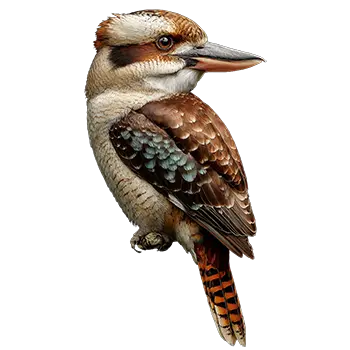

Kookaburras are obligate carnivores belonging to the kingfisher family Alcedinidae, and their nutritional requirements differ fundamentally from those of parrots, finches, and other seed- or fruit-eating companion birds. In the wild, Laughing Kookaburras and Blue-winged Kookaburras sustain themselves on a diet of insects, small reptiles, amphibians, rodents, nestling birds, freshwater crustaceans, and earthworms. Replicating this prey-based nutritional profile in captivity is the central challenge of Kookaburra husbandry, and the products chosen to meet that challenge determine the bird's long-term health more than almost any other husbandry decision.
Protein is the dominant macronutrient in a Kookaburra's natural diet, typically constituting sixty to seventy percent of dry-matter intake. This protein must come from animal sources, as plant proteins lack the amino acid profiles and bioavailability that a carnivorous kingfisher requires. Taurine, methionine, and cysteine are among the amino acids that must be adequately represented, and these are found in meaningful concentrations only in animal tissues. A diet that substitutes grain-based protein for animal protein will produce deficiencies over time, even if the total protein percentage on the label appears adequate.
Fat requirements are moderate but specific. Wild Kookaburras obtain most of their dietary fat from the body composition of their prey items — the fat reserves of insects, the organ tissues of small vertebrates, and the lipid content of crustacean exoskeletons. Captive diets that rely heavily on lean prey items like mealworms or crickets without supplementation can leave fat intake too low, while diets built around fatty pinkie mice or excessive waxworms can push fat intake too high. The target range for most adult Kookaburras in maintenance condition falls between eight and fifteen percent of total caloric intake from fat.
Calcium-to-phosphorus ratio is a critical concern that distinguishes responsible Kookaburra nutrition from casual feeding. Whole prey items with intact skeletons provide calcium and phosphorus in roughly balanced ratios, but commercially raised feeder insects are notoriously calcium-poor relative to their phosphorus content. Crickets, mealworms, and superworms all present inverted calcium-to-phosphorus ratios unless they are gut-loaded with calcium-rich substrates or dusted with calcium powder before feeding. Failure to correct this imbalance leads to metabolic bone disease, a painful and debilitating condition that is entirely preventable with proper supplementation.