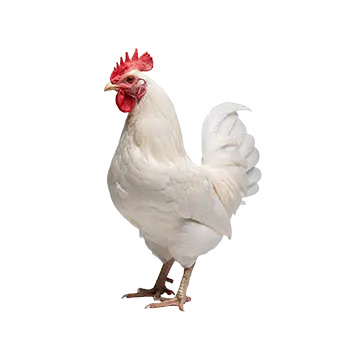

Japanese Bantams are intelligent, curious birds that benefit substantially from environmental enrichment, even though they are often perceived as passive ornamental specimens content to stand around looking decorative. In reality, chickens of all breeds are motivated by strong instinctual drives to forage, scratch, dust bathe, explore novel objects, and establish social hierarchies through complex interactions. When these behavioral needs go unmet, even docile breeds like the Japanese Bantam can develop stress behaviors including feather pecking, excessive vocalization, and listless inactivity. Enrichment is not a luxury for companion poultry; it is a fundamental component of welfare that directly affects physical and psychological health.
The breed's physical characteristics shape the type of enrichment that is practical and safe. Japanese Bantams have the shortest legs of any chicken breed, which limits their ability to jump, perch at height, or navigate steep ramps. Their large upright tails and proportionally broad wings require clearance space that more compact bantams do not need. Enrichment items must be positioned at ground level or on very low platforms, and the space around each item must allow the bird to approach, interact, and move away without catching tail feathers on adjacent surfaces. These constraints rule out many standard poultry enrichment products designed for larger, more agile breeds but open the door to creative alternatives tailored to the breed's specific proportions.
Foraging is the single most important behavioral category to address through enrichment. In wild and feral chicken populations, foraging occupies sixty to ninety percent of the waking day. Captive birds fed from a simple trough or hopper complete their eating in minutes and have the remaining hours to fill with nothing, a mismatch that is the root cause of most behavioral problems in backyard flocks. The goal of a foraging enrichment program is to extend the time and effort required to obtain food, replicating the natural ratio of search effort to caloric reward. Every enrichment strategy discussed in this guide connects back to this principle in some way.
Social enrichment is also important for Japanese Bantams, which are gregarious birds that do poorly when kept alone. A flock of at least three to four birds ensures that natural social behaviors, including mutual preening, synchronized foraging, communal dust bathing, and soft conversational vocalizations, can occur. The breed's docile temperament makes it a poor choice for mixed flocks with aggressive or significantly larger breeds, as Japanese Bantams tend to be pushed to the bottom of the pecking order and may be injured by more dominant birds. Enrichment planning should account for the social structure of the flock and provide enough space and resources that subordinate birds are not excluded from activities by dominant individuals.