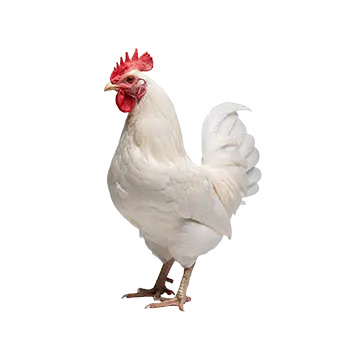

Technology has transformed backyard poultry keeping from a labor-intensive daily commitment into a more manageable pursuit that can be monitored and partially automated from anywhere with a phone signal. For Japanese Bantam keepers, whose birds are more vulnerable to environmental extremes and predator threats than standard-sized poultry, the right technology provides not just convenience but a genuine safety net that can prevent losses. The core technology categories relevant to bantam care include automated coop access systems, environmental monitoring sensors, security and surveillance equipment, smart lighting controls, and digital health management tools. Each category addresses a specific aspect of flock management where human attention alone is either insufficient or impractical.
The value proposition of poultry technology is particularly strong for Japanese Bantam keepers because the breed's specific vulnerabilities align closely with what technology does best: continuous monitoring and consistent automated responses. A Japanese Bantam left outside after dark because the keeper forgot to close the coop door faces a life-threatening predator exposure that an automatic door eliminates entirely. A cold snap that drops the coop temperature below the safe threshold for a one-pound bird with a large single comb triggers an alert from a temperature sensor before frostbite has a chance to develop. These are not hypothetical scenarios; they are the routine emergencies that bantam keepers face and that technology can reliably prevent.
The technology landscape for poultry has matured significantly in recent years, with purpose-built products now available at price points accessible to hobbyist keepers. Early adopters relied on repurposed home automation components and custom-built solutions that required technical expertise to install and maintain. Today, integrated poultry-specific products offer plug-and-play installation, dedicated mobile apps, and customer support from companies that understand the needs of chicken keepers. This maturation has made technology adoption practical for keepers at all experience levels, not just those with electronics or programming backgrounds.
Connectivity is the thread that ties modern poultry technology together. Most current-generation devices connect to the keeper's home wireless network and communicate through a mobile app, allowing monitoring and control from any location. For coops positioned beyond the range of a home wireless network, range extenders, mesh network nodes, or cellular-enabled devices bridge the gap. When evaluating any technology product for the coop, wireless reliability should be tested before purchase or during any available return window, since a monitoring device that loses connectivity in cold weather or during rain provides a false sense of security that is worse than having no monitor at all.