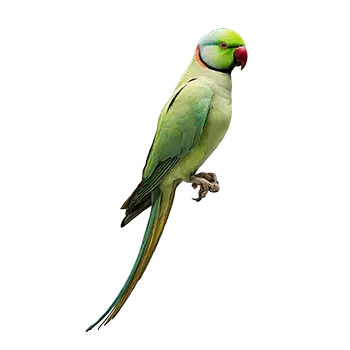

Health & Weight Monitors

Monitoring an Indian Ringneck Parakeet's weight is one of the most effective early-warning systems for detecting illness, since birds instinctively mask symptoms until a condition has progressed significantly. A digital gram scale with a precision of at least one gram is the most important health monitoring tool a Ringneck owner can invest in. Weighing the bird at the same time each morning — ideally before the first meal — and logging the data over time creates a baseline that makes even small, gradual changes immediately visible.

Smart scales that connect to a smartphone app take this a step further by automatically recording each weigh-in, graphing trends, and in some cases alerting the owner when a reading falls outside the established range. A healthy adult Indian Ringneck typically weighs between 115 and 140 grams, and a sustained drop of more than 10 percent from baseline is a clear signal to consult an avian veterinarian.

Environmental monitoring devices that track temperature and humidity in the bird's room add another layer of health oversight. Wireless hygrometer and thermometer units with app connectivity let you check conditions remotely and set alerts for readings outside the safe range. Maintaining temperature between 65 and 80 degrees Fahrenheit and humidity between 40 and 60 percent reduces respiratory stress and supports healthy feather condition.

Some owners also use air quality monitors to track particulate matter, volatile organic compounds, and carbon dioxide levels in the bird room. Given the extreme sensitivity of avian respiratory systems, these devices can provide early warning of air quality issues — such as elevated VOC levels from new furniture, cleaning products, or nearby kitchen activity — before they become a health threat.

GPS & Location Tracking

Indian Ringneck Parakeets are powerful, fast flyers that can cover miles in minutes if they escape, making GPS tracking a worthwhile consideration for owners who take their birds outdoors or live in households where accidental escapes are a realistic risk. Miniature GPS trackers designed for birds attach to a lightweight harness or ankle band and transmit location data to a smartphone app in real time.

The primary challenge with avian GPS trackers is weight. Any device worn by the bird should weigh no more than three to five percent of the bird's body weight to avoid affecting flight, balance, or causing fatigue. For a Ringneck weighing roughly 120 to 140 grams, that translates to a maximum tracker weight of about four to seven grams, which significantly narrows the field of suitable devices.

Bluetooth-based proximity trackers are a lighter-weight alternative, though they have significant range limitations compared to true GPS units. These devices work best as a short-range backup — alerting you when the bird moves beyond a preset distance — rather than as a recovery tool for a bird that has already traveled far. Some owners use a combination of a Bluetooth tag on the bird and a GPS tracker on the travel carrier for layered coverage.

Regardless of the tracking technology you choose, it should never replace fundamental escape prevention measures. Secure cage latches, screened windows, double-door entry systems, and trained recall behavior remain the first line of defense. A GPS tracker is a recovery aid for worst-case scenarios, not a substitute for careful daily management.

Smart Feeders & Water Systems

Smart feeding systems designed for birds can automate portion delivery, maintain freshness, and provide data on consumption patterns that help owners monitor their Ringneck's appetite over time. The most basic versions are programmable dispensers that release a set amount of pellets or seed at scheduled intervals, ensuring the bird has fresh food available even when the owner is away from home for extended hours.

More advanced smart feeders integrate with smartphone apps to log the time and quantity of each dispensed meal, track daily consumption trends, and send notifications if the bird's eating patterns deviate from normal. This data can be valuable for detecting early signs of illness, since a sudden decrease in food consumption is often the first behavioral change a sick bird exhibits.

Automated water systems range from simple gravity-fed dispensers to circulating water fountains that filter and aerate the water continuously. Moving water tends to attract birds more than still water, which can encourage better hydration. Fountains designed for small pets or birds typically include replaceable charcoal filters that remove impurities and keep the water tasting fresh between refills.

When evaluating any automated feeding or watering device, consider the cleaning requirements carefully. Systems with complex internal chambers, narrow tubing, or hard-to-reach components can develop biofilm and bacterial buildup if not disassembled and scrubbed regularly. The best designs balance convenience with hygienic access — removable parts, dishwasher-safe components, and transparent reservoirs that let you visually inspect water and food quality at a glance.

Cameras & Home Monitoring

Pet cameras have become an indispensable tool for Indian Ringneck owners who spend significant time away from home. A camera positioned to view the cage and surrounding area allows you to check on your bird throughout the day, observe behaviors you might otherwise miss, and verify that the environment remains safe and stable in your absence.

When selecting a camera for bird monitoring, prioritize models with high-definition video, night vision capability, and two-way audio. The video quality should be sharp enough to assess the bird's posture, feather condition, and activity level from across the room. Two-way audio lets you speak to the bird remotely, which can be comforting for Ringnecks that are bonded to their owner's voice, though some birds may find disembodied voices confusing or distressing.

Motion-activated recording and alert notifications are valuable features that can flag unusual activity — a bird thrashing in the cage, an intruder entering the room, or a cage door that has somehow come open. Cloud storage or local SD card recording preserves footage that can be reviewed later to identify patterns, track behavioral changes, or provide documentation for a veterinarian.

Camera placement should avoid pointing directly at the bird's sleeping perch, as the infrared LEDs used for night vision can disturb some birds. A slightly offset angle that captures the full cage while keeping the sleeping area at the periphery of the frame is the ideal compromise. Mount the camera securely out of reach — a curious Ringneck with out-of-cage access will investigate, chew on, and potentially dislodge any device within beak range.

Lighting & Climate Technology

Programmable full-spectrum lighting systems are one of the most impactful tech investments for indoor Ringneck housing. These systems replicate the gradual dawn-to-dusk light cycle that wild birds experience, supporting natural circadian rhythms, hormonal balance, and feather health. Look for avian-rated bulbs that produce UVA and UVB wavelengths — standard household bulbs and most LED fixtures do not provide the ultraviolet spectrum that birds require for vitamin D3 synthesis.

Smart light timers and home automation integrations allow you to program precise on and off schedules, simulate gradual sunrise and sunset transitions, and adjust the photoperiod seasonally. A gentle dawn simulation that gradually increases light intensity over 15 to 30 minutes is far less startling than a sudden switch from darkness to full brightness and mimics natural conditions more closely.

Smart thermostats and climate control devices add another dimension of environmental management. Wi-Fi-connected thermostats that can be adjusted remotely ensure the bird room stays within the safe temperature range even during extreme weather events or heating system malfunctions. Temperature alert thresholds can notify you immediately if conditions drift outside acceptable limits.

Humidity control is equally important, particularly in regions with dry winters or heavily air-conditioned summers. A smart humidifier with a built-in hygrometer and auto-shutoff function maintains consistent humidity levels without requiring manual monitoring. Position the humidifier so that the mist disperses into the general room air rather than blowing directly onto the cage, as concentrated moisture on feathers and cage surfaces can promote mold growth.

Veterinary Telehealth

Veterinary telehealth platforms have expanded access to avian medical expertise for Ringneck owners who may not live near a certified avian veterinarian. These services connect pet owners with licensed veterinarians through video consultations, allowing real-time visual assessment of the bird, discussion of symptoms, and preliminary guidance on whether an in-person visit is necessary.

Telehealth is best suited for non-emergency consultations — dietary questions, behavioral concerns, minor feather issues, and follow-up appointments after a procedure or treatment course. It is not a replacement for hands-on veterinary care, and any situation involving acute illness, injury, breathing difficulty, or sudden behavioral change warrants an immediate in-person visit. A good telehealth provider will be transparent about these limitations and refer you to a local clinic when remote assessment is insufficient.

To get the most from a telehealth appointment, prepare by gathering relevant information beforehand. Recent weight logs, photographs or video of the concerning behavior or symptom, dietary details, and a summary of any changes in the bird's environment or routine give the veterinarian the context needed to make informed recommendations. Having the bird accessible during the call allows the vet to observe posture, breathing, and responsiveness in real time.

Some telehealth platforms also offer asynchronous messaging with veterinary professionals, which can be useful for quick questions that do not require a full video consultation. This format works well for medication dosage confirmations, diet adjustment questions, and post-visit check-ins. When evaluating telehealth services, verify that the platform employs veterinarians with avian-specific training or certification, as general-practice veterinarians may lack the specialized knowledge needed to properly assess parrot health concerns.

Always consult a qualified professional before making any health-related decisions. This content is provided for informational reference only and should not replace professional guidance specific to your animal.