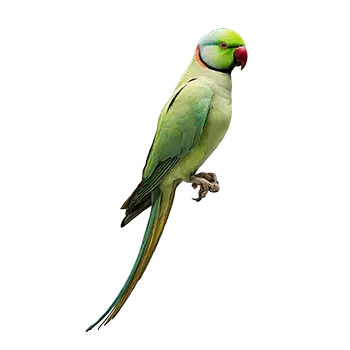

Taking an Indian Ringneck Parakeet outdoors safely requires a properly fitted avian harness or flight suit designed to prevent escape while allowing comfortable movement. A harness consists of adjustable straps that secure around the bird's body with an attached leash, while a flight suit is a full-body garment that combines a diaper pouch with a tether point. Both serve the same primary function of keeping the bird secure during outdoor excursions.
Fitting a harness to a Ringneck requires patience and gradual desensitization. Most birds will resist the harness initially, so the training process should begin indoors with short, positive sessions where the bird is rewarded for tolerating the harness being placed near it, then draped over it, and eventually fastened. Rushing this process often creates a lasting negative association that makes future attempts much more difficult.
When selecting a harness, look for designs made from lightweight, breathable materials with smooth edges that will not abrade feathers or skin. The attachment point for the leash should be positioned on the bird's back, between the wings, where it provides balanced control without restricting wing movement. Elasticized leash components add a buffer that absorbs sudden movements and reduces the risk of injury if the bird bolts.
Flight suits offer the added benefit of a built-in diaper, which makes indoor free-flight sessions and social outings cleaner. However, they cover more of the bird's body and can cause overheating if worn for extended periods in warm weather. Regardless of which option you choose, never leave a harnessed bird unattended, and always inspect the hardware and fabric for wear before each use.