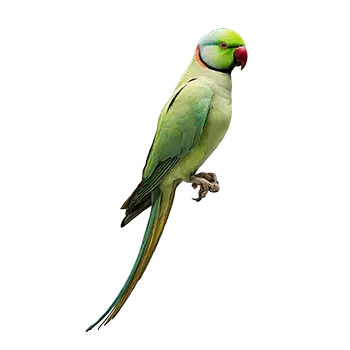

Indian Ringneck Parakeets are active, intelligent birds with metabolic demands that require a varied and well-balanced diet. In the wild, they feed on a mix of seeds, fruits, blossoms, nectar, and occasional insects, which means captive diets should aim to replicate that diversity rather than relying on any single food source. A nutrition plan built around high-quality pellets supplemented with fresh produce and controlled seed portions will cover the essential vitamins, minerals, and amino acids these birds need.
Protein is especially important during molting season and for younger birds still developing their plumage. Ringnecks generally require a diet composed of roughly 60 to 70 percent pellets, with the remainder split between fresh fruits, vegetables, and a modest seed allowance. Fat intake should be monitored carefully, as Ringnecks can be prone to obesity when given unrestricted access to high-fat seed mixes.
Calcium and vitamin A are two nutrients that deserve particular attention. A deficiency in either can lead to serious health problems, including weakened bones, poor feather condition, and compromised immune function. Dark leafy greens, orange vegetables, and mineral supplements can help fill those gaps when the base diet alone falls short.
Hydration plays a role in nutrition as well. Fresh, clean water should always be available, and water-rich fruits like melon and berries can contribute to daily fluid intake. Some owners also offer diluted fruit juices on occasion, though plain water remains the best everyday option.