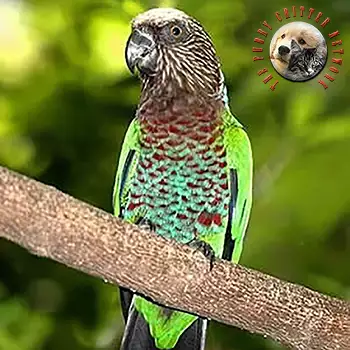

The Hawk-headed Parrot, also known as the Red-fan Parrot, is a medium-sized species native to the rainforests of the Amazon Basin. In the wild, these birds consume a varied diet of fruits, seeds, nuts, flowers, and leaf buds found throughout the forest canopy. This natural diversity is important context for captive feeding, because Hawk-headed Parrots that are limited to a seed-only diet frequently develop nutritional deficiencies that compromise their feather quality, immune function, and long-term health.
A well-balanced captive diet should consist of high-quality formulated pellets as the nutritional foundation, typically making up around 50 to 60 percent of daily intake. The remainder should be filled with fresh fruits, vegetables, and occasional nuts or seeds offered as enrichment rather than staples. Hawk-headed Parrots are particularly fond of tropical fruits, which mirrors their wild feeding habits, and this preference can be used strategically to encourage variety.
Because this species is prone to weight management issues when overfed fatty seeds and nuts, monitoring caloric intake is essential. Their relatively high energy levels and playful temperament mean they do burn calories actively, but a sedentary bird in a smaller enclosure can put on excess weight quickly. Owners should work with an avian veterinarian to establish a baseline weight and adjust portions accordingly.
Calcium and vitamin A are two nutrients that deserve special attention. Hawk-headed Parrots, like many psittacines, can develop hypocalcemia and vitamin A deficiency on poorly constructed diets. Dark leafy greens, orange-fleshed vegetables, and appropriate supplementation help address these risks without overcomplicating the feeding routine.