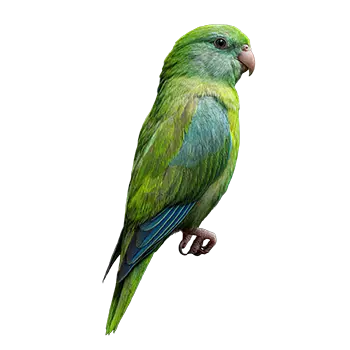

Technology has introduced practical tools that address longstanding challenges in companion bird care, and Green-Rumped Parrotlet owners stand to benefit significantly from thoughtful adoption of monitoring and automation devices. The fundamental challenge of parrotlet care is that these birds are small, fragile, and instinctively skilled at concealing signs of illness or distress. By the time a health or environmental problem becomes visually obvious, it may have been developing for days or weeks. Technology that detects subtle changes before they escalate provides a meaningful safety margin.
The monitoring needs of parrotlet owners cluster around three core areas. Environmental monitoring tracks temperature, humidity, and air quality in and around the cage to ensure conditions remain within safe ranges. Behavioral monitoring uses cameras and sensors to observe the bird's activity patterns, eating habits, and social behavior, particularly during the hours when the owner is absent. Health monitoring focuses on weight tracking and symptom detection, providing data that supports early veterinary intervention when problems arise.
Not every available technology product is worth the investment, and the parrotlet care context imposes specific requirements that generic pet tech may not address. Products designed for dogs and cats often lack the sensitivity or parameters relevant to avian care. A temperature monitor that alerts at ranges appropriate for mammals may not flag the narrower thermal comfort zone of a tropical bird. A pet camera that performs well tracking a dog moving across a room may struggle with a five-inch bird perched motionlessly inside a cage. Understanding these limitations helps direct spending toward products that genuinely enhance care rather than simply adding complexity.
The integration of technology into a parrotlet care routine should supplement rather than replace direct observation and interaction. No camera, sensor, or automated system can substitute for the nuanced assessment that an attentive owner performs during daily hands-on care. Technology extends the owner's awareness into time periods and data dimensions that direct observation cannot cover, creating a more complete picture of the bird's daily life and long-term health trajectory.