
Nutritional Needs

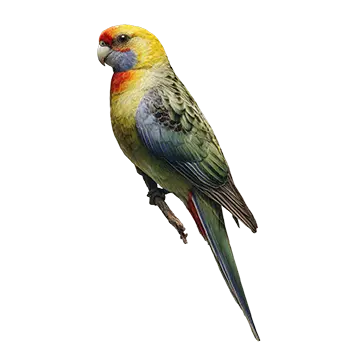
The Green Rosella, Platycercus caledonicus, is the largest of all rosella species and the only parrot endemic to Tasmania. Its natural habitat encompasses cool temperate forests, alpine meadows, and agricultural margins where the species forages on a remarkably diverse array of seeds, berries, blossoms, insects, and ground-level vegetation. This ecological background is critical to understanding the bird's nutritional requirements in captivity, because a diet that fails to reflect this natural diversity will almost certainly lead to deficiency-related health problems over the bird's potential thirty-year lifespan.

Energy requirements for Green Rosellas run somewhat higher than those of tropical parrots of similar size due to the species' adaptation to cool climates and its naturally active foraging behavior. In the wild, these birds spend a significant portion of each day moving through forest canopy and ground cover searching for food, burning calories at a rate that captive birds rarely match. This means that while the total caloric input must be sufficient to maintain body condition, the fat-to-nutrient ratio of the captive diet must be carefully managed to prevent obesity in a bird that is inherently less active than its wild counterparts.

Protein needs are moderate but consistent. Green Rosellas require sufficient amino acids for feather maintenance, muscle upkeep, and immune function, with demand increasing during the annual molt when feather replacement creates a substantial protein draw. A diet overly reliant on carbohydrate-heavy seeds will leave protein intake below optimal levels unless supplemented with legumes, sprouted seeds, or a well-formulated pellet.

Vitamin A is a nutrient of particular concern for all rosellas, including the Green Rosella. Seed-based diets are chronically low in this essential vitamin, and prolonged deficiency leads to a cascade of problems including compromised respiratory mucosa, poor feather quality, reduced immune competence, and increased vulnerability to bacterial and fungal infections. Because the species is not always an enthusiastic consumer of orange and dark green vegetables, ensuring adequate vitamin A intake often requires strategic food presentation and gradual dietary transition rather than simply offering the right foods and hoping they are eaten.

What to Look For

Selecting food products for a Green Rosella begins with understanding that this species occupies a distinct niche in the parrot world. It is not a large hookbill like a cockatoo or macaw, nor is it a small finch-like bird. Its beak morphology is designed for cracking medium-sized seeds, stripping bark, and manipulating small fruits and blossoms. Products sized and formulated for medium parrots or specifically for Australian parakeets and rosellas are the most appropriate starting point.

When evaluating pelleted diets, prioritize formulations that list whole grains, legumes, or vegetables as primary ingredients rather than corn meal, soy isolates, or sugar. Australian parakeet-specific pellets exist from several manufacturers and are worth seeking out, as they account for the slightly different fat and protein ratios that grass parakeets and rosellas require compared to South American or African species. Pellets free of artificial colors and synthetic preservatives are preferable, both for long-term health and because Green Rosellas can be suspicious of unfamiliar food appearances.

Seed mixes intended for rosellas or Australian parakeets should contain a blend of canary seed, various millets, a small proportion of sunflower or safflower, and ideally some native Australian grass seeds if available. Avoid mixes that are predominantly sunflower seed, as these are calorie-dense and nutritionally narrow. The best commercial rosella mixes include dried herbs, vegetable flakes, or dehydrated greens mixed into the seed to encourage incidental consumption of micronutrient-rich material.

Freshness is a quality indicator that is often overlooked. Seeds lose nutritional value as they age, and rancid oils in old seed stock can cause digestive distress and expose the bird to harmful free radicals. Purchase seed from suppliers with high turnover, store it in airtight containers in a cool location, and discard any stock that smells stale or appears dusty. Pellets similarly degrade over time and should be used within the timeframe recommended by the manufacturer, typically within a few months of opening.

Recommended Pellet Types

Pellets should constitute a meaningful portion of the Green Rosella's daily diet, ideally between forty and sixty percent of total intake by volume. Unlike some larger parrots that can be transitioned onto a near-exclusively pelleted diet, rosellas generally do best with a mixed feeding approach that includes pellets, seeds, and substantial fresh foods. This reflects their natural dietary diversity and helps maintain feeding interest and psychological wellbeing.

Cold-pressed and extruded pellets formulated for Australian species or medium parakeets are the strongest choices. These products typically feature moderate protein levels in the twelve to sixteen percent range, lower fat content than pellets designed for macaws or Amazons, and a fiber profile that supports healthy digestion. Some brands offer pellets specifically marketed for rosellas, lorikeets, and similar Australian species, and these targeted formulations generally reflect the best current understanding of these birds' nutritional needs.

Pellet size should match the bird's beak and feeding style. Green Rosellas manipulate food with their feet and beaks in a characteristic rosella fashion, holding items against a perch while nibbling. Pellets in the small-to-medium range, roughly the size of a pea or slightly smaller, are easiest for the bird to handle and reduce waste from crumbled oversized pieces. Micro-pellets designed for budgerigars and cockatiels are unnecessarily small and may be ignored.

Transitioning a seed-habituated Green Rosella to pellets requires patience and strategy. Abrupt diet changes are counterproductive and potentially dangerous, as a stubborn bird may refuse unfamiliar food to the point of dangerous weight loss. A gradual approach, mixing increasing proportions of pellets into the familiar seed mix over several weeks, gives the bird time to investigate and accept the new food. Some keepers find that slightly moistening pellets with warm water or mixing them with a thin layer of a favored soft food accelerates acceptance.

Fresh Foods and Foraging Mixes

Fresh foods are where the Green Rosella's diet can most closely approximate the diversity of its wild intake, and this component of feeding deserves significant attention. In the temperate forests and grasslands of Tasmania, wild Green Rosellas consume a wide variety of seeds from native grasses, eucalyptus blossoms, berries from native shrubs, leaf buds, and invertebrates gleaned from bark and foliage. Captive diets should aim to replicate this range as closely as practical using available produce and specialty products.

Dark leafy greens should be offered daily. Kale, Swiss chard, dandelion greens, endive, and bok choy all provide calcium, iron, and beta-carotene. Many Green Rosellas enjoy shredding leafy greens that are clipped to the cage bars or woven through foraging devices, which combines nutrition with physical and mental enrichment. Rotating the types of greens offered keeps the bird engaged and ensures a broader spectrum of micronutrients over time.

Vegetables rich in beta-carotene are essential for meeting the species' vitamin A requirements. Finely diced sweet potato, carrot, butternut squash, and red bell pepper should appear in the regular rotation. These can be offered raw or lightly steamed, as light cooking can increase the bioavailability of certain carotenoids without significantly depleting other nutrients. Green Rosellas often respond well to vegetables cut into small, manageable pieces rather than large chunks, as this matches their natural feeding behavior of manipulating small food items.

Commercial foraging and cooking mixes designed for parrots can supplement fresh food preparation. These typically contain dried legumes, grains, and dehydrated vegetables that are soaked or cooked before serving. They provide a convenient base to which fresh ingredients can be added, and their varied textures and flavors appeal to many rosellas. When selecting these products, look for mixes with recognizable whole-food ingredients and minimal added sodium or sugar. Sprouted seeds are another excellent addition, as the germination process transforms high-fat seeds into nutrient-dense, low-fat foods rich in enzymes and bioavailable vitamins.

Treats and Supplements

Treats serve important roles in the Green Rosella's life beyond simple indulgence. They function as reinforcement during training, facilitate bonding between bird and keeper, and provide enrichment variety that supports psychological health. The key is selecting treats that contribute positively to the overall nutritional picture rather than undermining it with empty calories.

Millet sprays are perhaps the most universally accepted treat among rosellas and Australian parakeets. They are relatively low in fat compared to sunflower seeds, and the act of stripping seeds from the spray head provides satisfying foraging activity. Millet sprays can be hung from cage bars, tucked into foraging toys, or broken into small sections for targeted reward delivery during training sessions. While millet is not nutritionally dense, its moderate fat and calorie profile makes it a reasonable everyday treat when offered in controlled amounts.

Nuts should be used more sparingly with Green Rosellas than with larger parrot species. Small pieces of almond, walnut, or pine nut make high-value training rewards, but the fat content of nuts can quickly unbalance the diet if overused. A few small nut fragments per day is sufficient for training purposes without contributing meaningfully to weight gain. Avoid salted, roasted, or flavored nuts entirely.

Calcium supplementation is often advisable, particularly for breeding birds or those whose fresh food intake is inconsistent. Cuttlebone mounted in the cage provides a self-regulating calcium source that most rosellas will gnaw at according to their needs. Liquid calcium supplements can be added to soft foods for birds with documented deficiency, though veterinary guidance is recommended before beginning supplementation. Mineral blocks that combine calcium with trace minerals offer an additional option, though quality varies significantly between products and some contain unnecessary colorants or binders.

Foods to Avoid

Certain foods are toxic to Green Rosellas and must be kept completely out of reach. Avocado tops the list, as the persin compound found throughout the fruit, skin, pit, and leaves causes acute cardiac toxicity in birds that is frequently fatal. Chocolate and products containing caffeine are similarly dangerous, causing cardiac arrhythmia, hyperactivity, tremors, and death in birds even at small doses. These items should never be consumed near a free-roaming rosella, as even incidental nibbling can deliver a toxic dose to a bird of this size.

Onions, garlic, shallots, and related allium species are harmful to rosellas in all forms, whether raw, cooked, dried, or powdered. The sulfur compounds in these foods damage avian red blood cells and can cause hemolytic anemia with cumulative exposure. Many prepared human foods and seasonings contain hidden onion or garlic powder, so any food shared with the bird should be checked carefully for these ingredients.

High-salt foods are particularly problematic for birds, whose kidneys process sodium far less efficiently than mammalian kidneys. Crackers, chips, pretzels, processed cheese, and other salty snacks can cause dehydration, kidney stress, and potentially fatal electrolyte imbalances. Similarly, sugary foods encourage yeast overgrowth in the crop and gastrointestinal tract, promote obesity, and offer no nutritional benefit. Fruit juice, candy, and sweetened cereals all fall into this category.

Apple seeds, cherry pits, peach pits, and the seeds of other stone fruits and pome fruits contain amygdalin, a cyanide precursor that can be toxic if consumed in quantity. Remove all seeds and pits before offering fruit. Rhubarb leaves contain oxalic acid at levels dangerous to birds, and raw dried beans contain hemagglutinin, a toxic lectin neutralized only by thorough cooking. Mushrooms, particularly wild-foraged varieties, should also be avoided, as many species contain compounds that are harmful to birds even when safe for human consumption.

Feeding Schedule and Portions

A consistent feeding schedule anchors the Green Rosella's daily routine and supports both digestive regularity and behavioral stability. In the wild, rosellas feed most actively during the first few hours after dawn and again in the late afternoon before roosting, with lighter foraging activity during midday. Captive feeding schedules that mirror this natural rhythm produce the best results in terms of food acceptance and overall contentment.

Morning is the ideal time to offer fresh foods, as the bird is hungriest after the overnight fast and most willing to explore varied foods. A dish of chopped vegetables, greens, and any cooked grains or legumes should be presented early and removed after three to four hours to prevent spoilage, particularly in warm environments where bacterial growth on moist food accelerates rapidly. Pellets can be available in a separate dish throughout the day, providing a nutritionally complete baseline that the bird can access at will.

Seed should be offered in measured amounts rather than as an unlimited free-choice option. For a Green Rosella, approximately one to two tablespoons of a quality seed mix per day is appropriate, depending on the proportion of pellets and fresh foods consumed. Offering seed in the afternoon creates a natural foraging incentive during the second peak activity period and ensures the bird has consumed some pellets and fresh food before turning to its preferred seeds.

Portion sizes require ongoing adjustment based on the individual bird's body condition, activity level, and life stage. A rosella entering its annual molt needs increased protein and may consume more food overall, while a sedentary bird in a smaller enclosure may need reduced portions to prevent weight gain. Regular weight monitoring using a gram scale provides objective data for adjusting food quantities. A healthy adult Green Rosella typically weighs between 120 and 170 grams, though individual variation exists based on frame size and sex.

Always consult a qualified professional before making any health-related decisions. This content is provided for informational reference only and should not replace professional guidance specific to your animal.