
Nutritional Needs

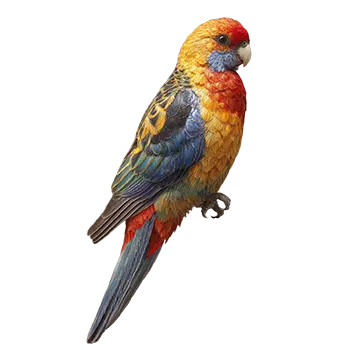
The Golden-Mantled Rosella is a medium-sized Australian parakeet whose wild diet consists primarily of grass seeds, native herbs, fruits, berries, and occasional insects. This natural dietary profile is notably different from that of the larger hookbill species commonly kept in aviculture, and it shapes every feeding decision an owner will make. Rosellas are adapted to a relatively low-fat, high-fiber diet rich in seasonal variety, and replicating that nutritional framework in captivity is essential for long-term health and vibrant plumage coloration.

Protein requirements for the Golden-Mantled Rosella are moderate compared to larger parrots. Adults in non-breeding condition generally thrive on a diet containing roughly twelve to fourteen percent protein by dry weight, drawn from a combination of seeds, pellets, sprouted grains, and fresh vegetables. During breeding season or molting periods, protein demands increase and should be supplemented with egg food, sprouted legumes, or higher-protein pellet formulations. Overfeeding protein outside of these periods can place unnecessary strain on the kidneys and liver.

Vitamin A plays a critical role in maintaining the respiratory and epithelial health of rosellas, and deficiency is one of the most common nutritional problems seen in captive specimens fed seed-only diets. Beta-carotene-rich vegetables such as sweet potato, carrot, and dark leafy greens should appear in the diet regularly to provide natural precursors that the body converts as needed, reducing the risk of hypervitaminosis that can occur with synthetic supplementation.

Calcium and phosphorus balance is another area that requires attention, particularly for breeding hens. A ratio of approximately two-to-one calcium to phosphorus supports proper bone density and eggshell formation. Seeds are inherently calcium-poor and phosphorus-rich, which makes reliance on an all-seed diet especially problematic for this mineral balance. Cuttlebone, mineral blocks, and calcium-rich greens help correct this imbalance when offered consistently.

What to Look For

When selecting food products for a Golden-Mantled Rosella, the first consideration should be ingredient transparency. Whether purchasing pellets, seed blends, or supplemental mixes, the ingredient list should consist of recognizable whole foods rather than vague categories like animal byproducts or artificial flavor compounds. Products that list specific grains, seeds, vegetables, and legumes by name allow owners to evaluate nutritional content and identify potential issues before they reach the feeding dish.

Freshness indicators are particularly important for seed-based products. Seeds are living organisms that lose nutritional value as they age, and rancid seeds can harbor harmful molds and bacteria. Look for packaging with clear expiration dates, resealable closures, and vacuum-sealed or nitrogen-flushed bags that extend shelf life. A quick germination test, placing a small sample of seeds on a damp paper towel to see if they sprout within a few days, is one of the most reliable ways to assess seed freshness after purchase.

For pellet products, size and texture matter for rosellas. These birds have smaller beaks than the cockatoos and macaws that dominate the companion parrot market, so pellets designed for small to medium parakeets or cockatiels are generally more appropriate than large-parrot formulations. Pellets that are too large may be ignored or wasted, while micro-pellets designed for finches may not provide adequate beak exercise. Some manufacturers produce Australian parakeet-specific pellets that account for both size and the lower fat requirements of these species.

Artificial dyes and preservatives should be avoided wherever possible. Colored pellets and dyed seed coatings serve no nutritional purpose and may introduce unnecessary chemical compounds into the bird's system. Ethoxyquin, BHA, and BHT are synthetic preservatives that appear in some lower-quality bird foods and have raised health concerns in veterinary literature. Natural preservatives like mixed tocopherols and rosemary extract are preferable alternatives that maintain freshness without the associated risks.

Recommended Pellet Types

Pellets should constitute roughly forty to fifty percent of a Golden-Mantled Rosella's daily intake, a somewhat lower proportion than typically recommended for larger parrots because rosellas are naturally adapted to a more seed-inclusive diet. The ideal pellet for this species is a small to medium-sized formulation with moderate protein content, low fat levels, and no artificial additives. Cold-pressed pellets tend to retain more heat-sensitive nutrients than extruded varieties, though well-formulated extruded pellets remain a sound choice.

Formulations designed specifically for Australian parakeets or broadbill species align most closely with the rosella's metabolic requirements. These products typically contain lower fat percentages than generic parrot pellets and incorporate ingredients like native Australian grasses and herbs that reflect the wild diet. While availability of these specialized formulations varies by region, they are worth sourcing for owners committed to optimizing their bird's nutrition.

Organic pellets made from non-GMO grains and vegetables appeal to owners seeking the cleanest possible ingredient profile. These products generally avoid synthetic vitamins in favor of whole-food nutrient sources, which can improve palatability for birds that are reluctant to transition from seeds. The trade-off is typically a higher price point and shorter shelf life, since the absence of synthetic preservatives means the product degrades more quickly after opening.

Transitioning a Golden-Mantled Rosella from a seed-heavy diet to pellet acceptance requires patience and a gradual approach. Mixing a small proportion of pellets into the seed dish and slowly increasing the ratio over several weeks is the most reliable method. Some owners find success by offering pellets as the first food of the morning, when the bird is hungriest, and introducing seeds later in the day. Forcing an abrupt switch risks dangerous weight loss in a species that has relatively limited fat reserves compared to larger parrots.

Fresh Foods and Cooking Mixes

Fresh vegetables and greens should make up a significant portion of the Golden-Mantled Rosella's daily diet, ideally around twenty to thirty percent of total intake. Dark leafy greens such as kale, Swiss chard, dandelion greens, and bok choy provide calcium, iron, and beta-carotene in forms that are highly bioavailable. Rosellas often take readily to leafy greens when they are offered clipped to the cage bars or woven through perches, mimicking the natural foraging behavior of stripping leaves from branches.

Orange and yellow vegetables deliver concentrated beta-carotene and should rotate through the weekly menu. Finely grated carrot, cooked sweet potato, and raw butternut squash are typically well-accepted. Bell peppers of all colors are excellent choices, offering both vitamin C and visual appeal that can entice hesitant eaters. Broccoli florets, sugar snap peas, and zucchini round out the vegetable options and provide variety in both texture and nutrient profile.

Cooking mixes formulated for parrots offer a convenient base of grains and legumes. Products containing quinoa, brown rice, mung beans, lentils, and dried vegetables can be prepared in bulk and frozen in daily portions. When evaluating these mixes, avoid products with added salt, onion powder, garlic, or excessive dried fruit. The best mixes serve as a nutritional canvas to which fresh vegetables and a small amount of chopped greens can be added before serving.

Fruit should be treated as an occasional treat rather than a dietary staple for rosellas. In the wild, these birds consume native berries and fruits seasonally, not daily. Small portions of apple, pear, berries, pomegranate seeds, and kiwi can be offered two to three times per week. High-sugar tropical fruits like mango and banana should be limited further. All fruit should be washed thoroughly and any seeds or pits removed before serving.

Treats and Supplements

Treats for Golden-Mantled Rosellas serve best when they combine reward value with nutritional benefit. Spray millet is the classic parakeet treat and remains one of the most effective tools for building trust with a new or skittish rosella. Because millet is relatively low in fat compared to sunflower seeds or nuts, it can be offered more freely, though it should still be counted as part of the daily seed allocation rather than treated as a dietary freebie.

Seed sticks and baked treat bars marketed for parakeets vary enormously in quality. The best versions bind seeds together with egg white or natural gums and include a mix of grains and dried vegetables. The worst are little more than sunflower seeds glued together with honey or corn syrup, delivering excessive fat and sugar with minimal nutritional value. Reading the ingredient list before purchasing is essential, as packaging imagery can be misleading.

Calcium supplementation is advisable for most captive rosellas, particularly breeding hens and birds on seed-heavy diets. Cuttlebone is the most traditional calcium source and doubles as beak-conditioning enrichment. Calcium perches, mineral blocks, and powdered calcium carbonate supplements mixed into soft food offer additional options. Liquid calcium additives designed for drinking water are available but should be used cautiously, as they can alter water taste and discourage adequate hydration in sensitive birds.

Multivitamin supplements are generally unnecessary for rosellas eating a balanced diet of pellets, fresh vegetables, and moderate seeds. However, birds that refuse fresh foods or are recovering from illness may benefit from a powdered avian multivitamin sprinkled over damp food. Over-supplementation poses real risks, particularly with fat-soluble vitamins A and D, which accumulate in tissue and can reach toxic levels. Any supplementation regimen should ideally be guided by avian veterinary blood work rather than guesswork.

Foods to Avoid

Avocado is unequivocally toxic to Golden-Mantled Rosellas and all other parrot species. The compound persin, present throughout the fruit including the flesh, skin, and pit, causes severe cardiac distress that is frequently fatal even with prompt veterinary intervention. No part of the avocado plant should ever be accessible to a rosella, including leaves from ornamental avocado trees grown indoors.

Chocolate, coffee, tea, and any other sources of caffeine or theobromine must be kept away from rosellas. These stimulants affect the avian cardiovascular and nervous systems far more intensely than they do in mammals, and even small quantities can trigger seizures, cardiac arrhythmia, and death. This prohibition extends to carob-coated treats that may contain trace amounts of chocolate, as well as energy drinks and caffeinated soft drinks that a curious bird might sample from an unattended glass.

Onion and garlic in all forms, whether raw, cooked, powdered, or dehydrated, contain organosulfur compounds that damage avian red blood cells and can lead to hemolytic anemia with cumulative exposure. Many prepared human foods contain hidden onion or garlic powder, making it important to read labels carefully before sharing any cooked food with a rosella. Chives, leeks, and shallots belong to the same botanical family and carry the same risks.

Excessive salt is dangerous for rosellas, whose kidneys are not equipped to handle the sodium loads common in processed human food. Chips, crackers, salted nuts, and cured meats should never be offered. Similarly, sugary foods encourage pathogenic yeast overgrowth in the crop and digestive tract, and contribute to obesity in a species that is already prone to weight gain in sedentary captive conditions. Apple seeds, cherry pits, and the seeds of stone fruits contain cyanogenic glycosides and should be removed before any fruit is offered.

Feeding Schedule

A consistent daily feeding schedule supports the metabolic health of the Golden-Mantled Rosella and provides the behavioral predictability that helps these somewhat nervous birds feel secure in their environment. The most effective approach mirrors the natural foraging pattern of wild rosellas, which feed most actively in the early morning and again in the late afternoon, resting and socializing during the middle of the day.

Morning feeding should include the day's fresh food offering, presented in a clean dish at approximately the same time each day. Fresh vegetables, cooked grains, and any soft supplements should be placed in the cage early and removed within two to four hours to prevent bacterial growth, particularly in warm climates. This window coincides with the bird's peak appetite and maximizes the chance that nutritious but less-preferred foods will be consumed before the bird becomes distracted by other activities.

Pellets can remain available throughout the day in a separate dish, providing a nutritional safety net that the bird can access at will. The seed portion of the diet is best offered in the late afternoon or divided between morning and afternoon servings to prevent the bird from filling up on seeds first and ignoring more nutritious options. Foraging devices that dispense seeds gradually throughout the day encourage natural feeding behavior and slow consumption.

Water must be changed at least twice daily, and more frequently if the bird routinely dunks food or debris into the water dish. Some rosellas prefer to soak pellets or seeds before eating, which rapidly contaminates the water supply. Offering a separate bathing dish reduces the likelihood of the drinking water being used for bathing. Monitoring daily food consumption by weighing dishes before and after feeding helps identify changes in appetite that may signal health problems before other symptoms become apparent.

Always consult a qualified professional before making any health-related decisions. This content is provided for informational reference only and should not replace professional guidance specific to your animal.