
Nutritional Needs

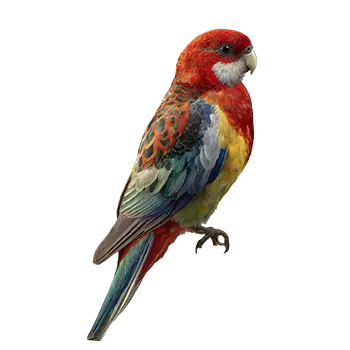
Eastern Rosellas are medium-sized Australian parakeets whose wild diet revolves around grass seeds, native fruits, blossoms, and insects. Replicating the nutritional diversity of that diet in captivity is the single most important factor in keeping a rosella healthy across its potential thirty-year lifespan. Unlike larger parrots that thrive on calorie-dense nut-heavy diets, rosellas evolved on leaner, fiber-rich fare and are easily pushed into obesity when fed inappropriately rich foods.

Protein requirements are moderate but consistent. Wild rosellas supplement their seed intake with insects and larvae, particularly during breeding season, when the demand for animal protein rises sharply. In captivity, a combination of quality pellets, sprouted seeds, and occasional egg food provides adequate protein without resorting to live-insect feeding. During breeding and molt, protein intake should be increased slightly through cooked egg, sprouted legumes, or commercial egg food designed for softbills and parakeets.

Fat management is more critical for rosellas than for many companion parrots. Their relatively small body mass means that even modest caloric surpluses translate quickly into fatty liver disease and other lipid-related health problems. Sunflower seeds, safflower seeds, and nuts should be treated as occasional rewards rather than dietary staples. The bulk of the fat in a rosella's diet should come from pellets and naturally occurring oils in sprouted grains rather than from oilseeds offered in unlimited quantities.

Vitamins A, D3, and E deserve particular attention. Rosellas housed indoors without access to unfiltered sunlight are at risk of vitamin D3 deficiency, which impairs calcium absorption and can weaken bones over time. Vitamin A deficiency, common in seed-dependent birds, manifests as respiratory vulnerability, dull plumage, and poor skin condition. A diet built around quality pellets and colorful fresh vegetables addresses both concerns, though full-spectrum lighting remains an important complementary measure.

What to Look For

When selecting commercial foods for an Eastern Rosella, ingredient transparency is the first filter. High-quality pellets list whole grains, vegetables, and legumes as their primary ingredients rather than grain by-products, sugar, or artificial color agents. The absence of ethoxyquin, BHA, and BHT in the preservative system is another reliable quality indicator. Natural preservation methods such as mixed tocopherols and rosemary extract are preferable and increasingly standard among premium brands.

Pellet size should match the rosella's beak and feeding style. Eastern Rosellas are medium parakeets, comfortable with small to medium pellet sizes. Pellets designed for cockatiels or small conures are generally the right scale. Oversized pellets formulated for macaws or cockatoos will be ignored or crumbled and wasted, while tiny finch-sized pellets may be swallowed without the beak manipulation that contributes to feeding enrichment.

Seed mixes intended for Australian parakeets offer the most relevant wild-type seed selection for rosellas. Look for blends that feature canary grass seed, various millets, oats, and small quantities of niger and hemp seed. Mixes marketed generically as parrot food often rely heavily on sunflower and peanuts, which are too fatty for regular rosella consumption. The best Australian parakeet blends also include dried herbs, dried vegetables, or native grass seeds that add trace nutrients and variety.

Freshness matters more than many owners realize. Seeds and pellets degrade in nutritional value over time, particularly in their fat-soluble vitamin content and essential fatty acid profiles. Check production and expiration dates before purchasing, and buy in quantities that will be consumed within four to six weeks. Storing opened bags in airtight containers in a cool, dark location extends shelf life and prevents pantry moth infestations, which are common in improperly stored seed products.

Recommended Pellet Types

Pellets should constitute roughly forty to fifty percent of an Eastern Rosella's daily diet. This proportion is somewhat lower than the recommendation for larger parrots because rosellas are natural grass-seed specialists and benefit from a higher proportion of whole seeds and grains than species that evolved eating fruits and nuts. That said, pellets remain essential for delivering consistent micronutrient levels that seed alone cannot guarantee.

Cold-pressed and extruded pellets are the two dominant manufacturing methods on the market. Cold-pressed pellets undergo less heat processing, which preserves more of the original enzyme and vitamin content of the raw ingredients. Extruded pellets are processed at higher temperatures but can be formulated with post-processing vitamin coats to compensate. Both types can be nutritionally complete, and acceptance by individual birds varies. Offering samples of each type during the initial introduction period helps identify which formulation a particular rosella prefers.

Some manufacturers produce pellets specifically formulated for Australian parakeets and grass parakeets. These formulations typically feature lower fat content and higher fiber levels than generic parrot pellets, reflecting the leaner dietary profile of wild Australian species. Where available, these species-targeted pellets represent the best match for Eastern Rosellas and should be the first choice.

Avoiding artificially colored pellets is more than an aesthetic preference. The dyes used to create brightly colored pellet assortments serve no nutritional purpose and can stain cage surfaces, perches, and the bird's facial feathers. More importantly, some birds develop preferences for specific colors within a mix, selectively eating only the red or yellow pellets and leaving others behind. This defeats the purpose of a formulated diet by allowing the bird to self-select an incomplete nutrient profile. Naturally colored pellets in uniform tones eliminate this problem entirely.

Fresh Foods and Sprouted Seeds

Fresh produce should make up approximately twenty to thirty percent of an Eastern Rosella's daily intake. Dark leafy greens form the backbone of the fresh food rotation. Dandelion greens, endive, kale, bok choy, and Swiss chard all provide calcium, iron, and vitamin A precursors that complement pelleted and seed-based nutrition. Rosellas often prefer greens presented wet, which mimics the dew-covered vegetation they would encounter in the wild and encourages natural feeding behavior.

Orange and yellow vegetables deliver beta-carotene and additional micronutrients. Finely diced carrots, small pieces of butternut squash, sweet corn kernels, and sweet potato are usually well-accepted. Rosellas tend to prefer their vegetables raw and cut into small, manageable pieces rather than cooked. Some keepers lightly steam harder root vegetables to soften them for younger or elderly birds, but raw preparation retains the maximum nutritional content.

Sprouted seeds represent one of the most valuable dietary components for Eastern Rosellas and deserve a permanent place in the feeding routine. The sprouting process converts stored starches into sugars, increases vitamin content by several hundred percent for some nutrients, and dramatically reduces the fat content of oilseeds. A sprouting blend of mung beans, wheat berries, sunflower seeds, and buckwheat provides an excellent nutritional cross-section. Careful rinsing twice daily during the sprouting process and discarding any sprouts that develop an off odor or slimy texture prevents the bacterial contamination risks associated with warm, moist sprouting conditions.

Fruit should be offered sparingly, limited to no more than five to ten percent of the total diet. Berries, apple slices, pear, pomegranate arils, and small amounts of fig provide vitamins and foraging interest without overwhelming the bird with sugar. Australian native fruits like lilly pilly berries and Davidson plums are excellent choices for keepers who have access to them. Citrus fruits are safe in small quantities but are often refused due to their acidity.

Treats and Supplements

Treats for Eastern Rosellas serve best when they reinforce training, encourage hand-taming, or deliver targeted nutrition. Millet sprays are the universal rosella treat and are accepted by even the most cautious individuals. Their relatively low fat content compared to sunflower seeds makes them a safer default reward. Offering millet from the hand is one of the most effective techniques for building trust with a new or shy rosella.

Seed sticks and baked treat bars designed for parakeets can provide both enrichment and nutrition, but ingredient quality varies widely. The best options use whole seeds bound with egg and vegetable-based binders, while cheaper products rely on sugar syrups, honey, and artificial flavors. Reading ingredient lists is essential, as packaging imagery and marketing claims are unreliable indicators of nutritional quality.

Calcium supplementation is important for all captive rosellas, particularly breeding hens. Cuttlebone should be available at all times, mounted where the bird can access it comfortably. Mineral blocks formulated for parakeets provide additional calcium along with trace minerals like iodine, which supports thyroid function. For birds that ignore cuttlebone, powdered calcium supplements can be sprinkled over soft foods or sprouts to ensure adequate intake without relying on voluntary chewing.

Multivitamin supplements should be used only when the diet is known to be incomplete or under veterinary recommendation. A rosella eating a balanced mix of pellets, fresh vegetables, sprouted seeds, and occasional treats typically receives adequate micronutrition without additional supplementation. Over-supplementation, particularly of fat-soluble vitamins, carries real toxicity risks. If supplementation is needed, powdered preparations added to soft foods are more reliable than water-soluble vitamins, which degrade rapidly and alter the taste of drinking water, potentially reducing the bird's fluid intake.

Foods to Avoid

Several foods that are harmless or even healthy for humans are toxic to Eastern Rosellas and must never be offered. Avocado tops the list, as persin, the fungicidal toxin present in the fruit's flesh, skin, and pit, causes acute cardiac and respiratory failure in birds. There is no safe amount of avocado for any parrot species. Chocolate and caffeine-containing foods are similarly lethal, as the methylxanthine compounds they contain overwhelm a bird's small body mass and cause cardiac arrhythmia, seizures, and death.

Onions and garlic in all forms, including cooked, dried, and powdered, contain organosulfur compounds that damage avian red blood cells through oxidative stress. Chronic low-level exposure leads to Heinz body anemia, a condition that may not become apparent until significant blood cell damage has accumulated. This makes hidden onion and garlic ingredients in prepared foods and cooking mixes a particular hazard that requires label vigilance.

High-sodium foods are disproportionately dangerous for small birds. A single salted cracker contains more sodium than a rosella should consume in an entire day. Processed snack foods, cured meats, cheese, and salted nuts should never be shared with a rosella regardless of how eagerly the bird solicits them. Similarly, sugary foods promote yeast overgrowth in the crop, contribute to obesity, and can cause digestive upset.

Apple seeds, cherry pits, peach pits, and apricot pits contain amygdalin, which releases cyanide during digestion. While the toxicity threshold requires ingestion of multiple seeds, it is safest to core all stone fruits and pome fruits before offering them. Raw dried beans contain hemagglutinin, a toxic lectin that is neutralized only by thorough cooking, so beans must always be fully cooked before inclusion in a rosella's diet. Rhubarb leaves, mushrooms from uncertain sources, and any plant material treated with pesticides or herbicides should also be strictly excluded.

Feeding Schedule

A consistent daily feeding schedule supports both the physical health and behavioral regularity of an Eastern Rosella. The morning meal should be offered within an hour of the bird waking and uncovering the cage, and it should consist of the day's fresh food portion alongside a measured quantity of pellets. Rosellas are most active and hungry in the early morning hours, mirroring the dawn foraging behavior of wild populations in southeastern Australia, and this is the optimal time for fresh produce consumption before it wilts or spoils.

The seed component of the diet is best offered in the late morning or early afternoon as a secondary feeding event. Splitting the diet into multiple presentations throughout the day encourages activity between meals and prevents the boredom-driven overeating that occurs when a full day's food is dumped into a single bowl at dawn. Sprouted seeds, when offered, should be presented fresh and removed within four to six hours to prevent bacterial growth at room temperature.

Portion control prevents the obesity that plagues many captive rosellas. As a general guideline, a healthy adult Eastern Rosella consumes approximately two to three tablespoons of pellets, one to two tablespoons of seed mix, and a small handful of fresh produce daily. These quantities should be adjusted based on the individual bird's weight trends, activity level, and life stage. Breeding birds and juveniles in rapid growth need modestly larger portions, while sedentary adults may require less than the baseline.

Evening feeding is less critical but can serve a behavioral purpose. A small portion of seed or a millet spray offered in the final hour before the bird settles for the night provides a crop-filling comfort feed that many rosellas come to expect. Fresh water should be available continuously and changed at minimum twice daily, more often if the bird is a vigorous bather that contaminates the water dish. Water dishes used for vitamin or mineral supplementation should be cleaned thoroughly at each change to prevent bacterial film buildup.

Always consult a qualified professional before making any health-related decisions. This content is provided for informational reference only and should not replace professional guidance specific to your animal.