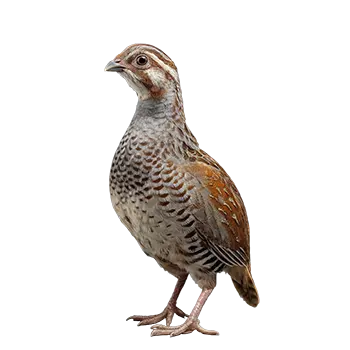

Incubation is where technology has the most direct and measurable impact on Coturnix Quail keeping. Coturnix hens rarely go broody in captivity, which means that nearly all hatching relies on artificial incubation. The incubator must maintain temperature within a fraction of a degree, regulate humidity to precise targets, and turn eggs at regular intervals throughout a seventeen-day incubation period. Small deviations in any of these parameters reduce hatch rates, and larger deviations produce dead embryos. The quality of the incubator is the single most consequential equipment decision in any breeding program.
Still-air incubators are the most affordable entry point but require the most hands-on management. These units rely on natural convection to distribute heat, which creates temperature stratification within the cabinet. The air temperature at the top of the incubator may be several degrees warmer than at egg level, requiring the keeper to calibrate the thermostat using a thermometer placed directly at egg height rather than relying on the built-in display. Still-air incubators are workable for small batches but demand frequent monitoring and manual egg turning three to five times per day unless an aftermarket turner is added.
Forced-air incubators use a fan to circulate heated air throughout the cabinet, eliminating temperature stratification and producing far more uniform conditions across the egg tray. The temperature setpoint for forced-air incubation of Coturnix eggs is ninety-nine-point-five degrees Fahrenheit, compared to the higher compensating temperature required in still-air units. Most mid-range and premium incubators are forced-air designs and include automatic egg turners, digital temperature and humidity displays, and programmable alarms that alert the keeper when conditions drift outside the target range. For Coturnix eggs, the turner must accommodate the small egg size, which means using quail-specific egg rails or universal rails with adjustable dividers.
Cabinet-style incubators designed for serious production or breeding programs offer the highest capacity and most precise environmental control. These units hold hundreds of eggs on multiple racks, maintain temperature within a tenth of a degree, regulate humidity through automated water injection systems, and include backup heating elements and fans that activate if the primary components fail. The investment is substantial, but for keepers hatching weekly batches or maintaining breeding lines that require accurate record-keeping tied to specific incubation conditions, cabinet incubators provide a level of consistency and reliability that tabletop units cannot match.