
Housing Requirements

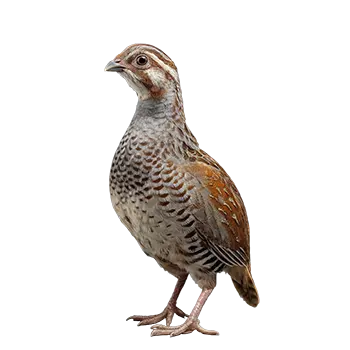
Coturnix Quail are ground-dwelling birds that rarely perch and never roost on elevated bars the way chickens do. This fundamental behavioral trait shapes every aspect of their housing requirements. The ideal enclosure provides generous horizontal floor space rather than vertical height, secure protection from predators above and below, adequate ventilation to manage the considerable ammonia output these small birds produce, and a layout that accommodates their tendency to flush straight upward when startled. Housing that ignores any of these species-specific needs will produce stressed, injured, or underperforming birds regardless of how well other aspects of husbandry are managed.

Space allocation is the most frequent area where new keepers underestimate. A minimum of one square foot of floor space per bird is the widely accepted baseline for cage-housed Coturnix, but this figure represents a minimum rather than an ideal. Birds kept at higher densities show increased feather pecking, reduced egg production, and elevated stress hormones. Two square feet per bird in a colony setting produces noticeably calmer flocks with better feather condition and more consistent lay rates. Overcrowding is the single most common husbandry failure in Coturnix keeping, and the consequences are immediate and measurable.

Ceiling height demands careful consideration. Coturnix respond to sudden stimuli by launching vertically with explosive force, a survival behavior that cannot be trained out of them. In enclosures taller than twelve to fourteen inches, this flush response can generate enough velocity to cause fatal skull fractures or scalp lacerations when the bird strikes the ceiling. Low ceilings of ten to twelve inches prevent the bird from building dangerous momentum. For keepers who prefer taller enclosures for aesthetic or access reasons, a soft ceiling made of fabric netting, foam panels, or stretched burlap absorbs impact energy and prevents head injuries.

Ventilation is a non-negotiable design element. Coturnix produce a disproportionate volume of droppings relative to their size, and the ammonia generated by decomposing waste accumulates rapidly in enclosed spaces. Chronic ammonia exposure damages the respiratory epithelium, predisposing birds to secondary bacterial and fungal infections. Housing should allow continuous air exchange without creating direct drafts at bird level. Wire-sided cages positioned in sheltered outdoor locations or well-ventilated barns naturally achieve this balance, while fully enclosed indoor setups may require exhaust fans or strategic window placement.

Cage Types and Configurations

Wire quail cages represent the most popular housing option for small to medium flocks, and the market offers several configurations suited to different management goals. Single-tier wire cages with removable dropping trays are the simplest option. These typically measure two to three feet wide by eighteen to twenty-four inches deep, with ten to twelve-inch ceiling heights. They accommodate six to twelve birds depending on the exact dimensions and provide easy access for egg collection, cleaning, and bird handling. The wire floor allows droppings to fall through to a tray below, which dramatically reduces the cleaning burden compared to solid-floor alternatives.

Stacking cage systems multiply housing capacity within the same footprint by arranging two to four wire cages vertically on a frame. Each tier has its own pull-out dropping tray, and eggs roll to a front collection rail on each level. These systems are the standard for serious production flocks and are available from multiple poultry equipment manufacturers. When evaluating stacking systems, prioritize sturdy welded-wire construction over lightweight imported cages that flex and sag under load. The dropping trays should slide freely without binding, and the frame should be stable enough to resist tipping when the top tier is loaded with birds and water containers.

Colony pens offer a middle ground between wire cages and open ground enclosures. A colony pen is essentially a large enclosed run, often four by eight feet or larger, with solid or partially solid walls, a wire or hardware cloth floor raised above ground level, and a secure roof. Colony pens allow more natural behavior including dust bathing if a substrate tray is provided, group foraging, and unrestricted movement. They are particularly well-suited to breeding groups, where a single male is housed with several hens. The trade-off is that egg collection is less efficient than in cages with roll-out floors, and colony-housed birds are slightly harder to catch and handle individually.

Ground pens and aviaries provide the most naturalistic housing but introduce management complexity. A ground-level enclosure with hardware cloth walls and roof, dug-in wire mesh to prevent burrowing predators, and deep litter substrate allows Coturnix to engage in their full repertoire of natural behaviors including dust bathing, scratching, and ground foraging. These setups work best in climates without extreme cold or wet conditions and require diligent predator proofing. Any gap larger than one inch in the enclosure mesh is an invitation to weasels, rats, and snakes, all of which will kill quail efficiently and persistently.

Flooring Options

The floor of a Coturnix enclosure affects foot health, sanitation, egg cleanliness, and daily maintenance workload. Half-by-half-inch galvanized welded wire is the standard cage floor material. This mesh size allows droppings to fall through cleanly while providing adequate support for the quail's small feet. Larger mesh sizes such as half-by-one-inch wire may cause foot and toe injuries, particularly in lighter-weight birds whose toes can slip through the gaps. Hardware cloth with quarter-inch openings is too fine for efficient dropping pass-through and tends to become clogged quickly, creating the worst of both worlds.

Plastic-coated wire floors reduce the incidence of bumblefoot, a bacterial infection of the foot pad that develops when birds stand on rough or abrasive surfaces for extended periods. Several manufacturers produce vinyl-coated wire mesh panels specifically for quail and small poultry. The coating smooths the wire surface and provides slightly more cushioning underfoot. These panels cost more than bare galvanized wire and require replacement when the coating cracks or wears through, as the exposed wire beneath corrodes more rapidly than a fully galvanized product.

Solid floors with deep litter bedding are used in colony pens and ground enclosures. Pine shavings, chopped straw, and hemp bedding are all suitable substrate choices. Sand is popular in some setups because it drains well, dries quickly, and doubles as a dust bathing medium. Solid floors require more frequent cleaning than wire floors since droppings accumulate on the surface rather than falling away, but they offer superior foot comfort and allow natural scratching and foraging behavior. The deep litter method, in which fresh bedding is added on top of soiled material and the entire bed is turned periodically, can work well in larger colony setups with good ventilation.

Egg roll-out floors represent a specialized flooring approach designed for maximum egg collection efficiency. These floors are slightly sloped wire panels that allow freshly laid eggs to roll gently to a collection tray at the front or side of the cage. The slope must be calibrated carefully: too steep and eggs gain enough velocity to crack against the collection rail, too shallow and eggs sit in place on the wire rather than rolling. Most commercial quail cages with roll-out floors use a slope of approximately seven to ten degrees, which works well for the small, sturdy-shelled eggs that Coturnix produce.

Predator Protection

Predator security is arguably the most critical design criterion for any Coturnix housing, and failures in this area are catastrophic rather than incremental. A single rat, weasel, or snake can kill an entire flock in one night. The small size of Coturnix makes them vulnerable to a wider range of predators than chickens face, including animals that most poultry keepers do not routinely guard against. Effective predator protection requires hardware cloth rather than chicken wire, secure latches on all access points, and elimination of any gap larger than half an inch.

Hardware cloth with half-inch openings is the minimum standard for Coturnix enclosures. Standard chicken wire, also called poultry netting, is designed to keep chickens in rather than predators out. Raccoons can tear through chicken wire with their hands, and weasels can pass through its two-inch hexagonal openings without resistance. Welded hardware cloth in half-inch or quarter-inch mesh provides genuine physical security against mammals, and the welded joints resist the prying and bending that determined predators apply to twisted or woven wire products.

Aerial predators require overhead protection. Hawks, owls, crows, and even blue jays will attack and kill Coturnix Quail. Any outdoor enclosure must have a fully enclosed top, not merely netting draped loosely over the frame. A raptor can push through loose netting or simply land on it and reach through with its talons. The roof covering should be the same hardware cloth used on the walls, pulled taut and securely fastened at all edges. For covered runs where full hardware cloth roofing is impractical due to size, heavy-duty aviary netting with knots rated for predator exclusion can serve as an alternative, though it provides less protection than rigid mesh.

Burrowing predators require below-grade defenses. Rats, weasels, mink, and snakes will dig under enclosure walls to access ground-level pens. A wire mesh apron extending twelve to eighteen inches outward from the base of the enclosure walls, buried two to four inches below grade and covered with soil or gravel, creates a barrier that burrowing animals encounter before they reach the enclosure interior. Alternatively, the entire floor of a ground pen can be lined with hardware cloth beneath the substrate. Elevated cage systems avoid burrowing threats entirely, which is one of their significant advantages in areas with high predator pressure.

Climate Control and Seasonal Housing

Coturnix Quail are hardier than their small size suggests, tolerating temperatures from around twenty degrees Fahrenheit to over one hundred degrees Fahrenheit, but they perform best and maintain peak production in the fifty to eighty degree range. Housing design must account for the local climate extremes and provide mechanisms for temperature moderation during the most challenging seasons. Birds that are merely surviving temperature stress rather than thriving in a comfortable range will show it through reduced egg production, poor feed conversion, and increased susceptibility to disease.

Cold weather housing focuses on wind protection and moisture management rather than supplemental heating in most climates. Coturnix generate considerable body heat, and a well-sheltered enclosure that blocks wind and rain while maintaining ventilation keeps a flock comfortable through freezing temperatures. Solid-backed cages positioned against a building wall with the wire side facing away from prevailing winds provide effective cold weather shelter. In extreme northern climates, moving cages into an unheated garage, barn, or shed during the coldest months may be necessary. If supplemental heat is used, radiant panel heaters mounted safely above the enclosure are preferable to heat lamps, which pose fire risks and can overheat birds in confined spaces.

Heat stress is more immediately dangerous than cold. Coturnix begin showing signs of heat distress above eighty-five degrees, including panting, wing spreading, lethargy, and dramatic drops in feed intake and egg production. Temperatures above one hundred degrees can be fatal within hours. Summer housing strategies include positioning enclosures in full shade, providing frozen water bottles or shallow pans of cool water for bathing, running misters or evaporative cooling systems during peak afternoon heat, and ensuring that water supply is abundant and cool. Cages located inside metal-roofed buildings without insulation can become dangerously hot as the roof radiates stored heat downward throughout the afternoon and evening.

Lighting interacts with housing design because Coturnix are photoperiod-sensitive. Hens require fourteen to sixteen hours of light per day to maintain maximum egg production. In natural daylight housing, production drops during the short days of winter. Keepers who want year-round production install supplemental lighting on a timer, with a single low-wattage LED bulb sufficient to illuminate a standard cage setup. The light source should provide a gradual dawn-to-dusk cycle rather than abrupt on-off switching, which startles the birds. Automated timers with dimming capability simulate natural light transitions and reduce flush-response injuries during lights-on events.

Indoor vs. Outdoor Placement

The decision to house Coturnix indoors or outdoors depends on climate, available space, predator pressure, local ordinances, and the keeper's tolerance for the dust and odor that quail inevitably produce. Each approach has structural advantages and trade-offs that should be evaluated against the specific conditions of the keeping environment rather than adopted as a universal recommendation.

Outdoor housing provides natural ventilation, ambient lighting, and exposure to weather patterns that promote robust health and natural behavioral rhythms. Well-designed outdoor enclosures with proper predator proofing, weather shielding, and shade structures offer excellent quality of life for the birds. The primary challenges are predator management, weather extremes, and potential conflicts with neighbors or local regulations. Noise is generally less of a concern than with roosters, as Coturnix vocalizations are relatively soft, but males do produce a repetitive crowing call during breeding season that can carry across property lines in quiet residential areas.

Indoor housing in a garage, barn, shed, or dedicated quail room provides maximum control over temperature, lighting, and predator access. It also keeps the birds out of sight, which matters in jurisdictions where poultry keeping is restricted or requires permits. The primary challenges of indoor housing are ventilation and dust management. Coturnix produce fine feather dust and dander that accumulates on surfaces and can irritate the respiratory systems of both birds and humans. A well-ventilated indoor space with an exhaust fan rated for the room volume, combined with regular cleaning and air filtration, manages these issues effectively. Basement housing should generally be avoided due to insufficient airflow and the difficulty of controlling humidity in below-grade spaces.

Hybrid approaches work well for many keepers. A common configuration places cages on a covered porch, in a carport, or under a permanent lean-to structure attached to a garage or barn. This arrangement provides the ventilation and natural light benefits of outdoor housing with partial weather protection and the convenience of proximity to power, water, and feed storage. Portable cage systems on wheels allow seasonal repositioning, moving to a protected interior location for winter and back to an open-air setting for the warmer months.

Regardless of placement, proximity to water and power sources significantly affects daily management efficiency. Running a garden hose fifty yards to fill waterers or carrying feed bags across the property twice a day turns routine chores into time-consuming ordeals. Positioning the quail housing near existing infrastructure reduces labor and makes it more likely that routine maintenance tasks like water changes, feeder refills, and dropping tray cleaning happen on schedule rather than being deferred.

Cleaning and Maintenance

A consistent cleaning routine is the foundation of flock health in any Coturnix housing system. The frequency and intensity of cleaning depend on the housing type, stocking density, and season, but certain principles apply universally. Droppings must be removed before ammonia buildup reaches levels detectable by the human nose, because if a person can smell ammonia, the concentration is already high enough to damage the birds' respiratory tissue. Coturnix produce a surprising volume of waste for their size, and a small flock in a confined cage can generate problematic ammonia levels within two to three days during warm weather.

Wire cage systems with pull-out dropping trays offer the simplest cleaning workflow. Trays should be scraped or emptied daily in warm weather and at least every two to three days in cooler conditions. Lining trays with newspaper, disposable tray liners, or a thin layer of pine shavings accelerates the process. The wire floor itself should be scrubbed with a brush and a mild disinfectant solution weekly to remove dried droppings and prevent bacterial buildup. All cage surfaces, feeders, and waterers benefit from a thorough sanitization with a poultry-safe disinfectant at least monthly, with components allowed to dry completely before returning birds to the enclosure.

Colony pens and ground enclosures using deep litter require a different approach. Spot-cleaning the most heavily soiled areas daily and adding fresh bedding on top maintains a functional litter bed. Full litter changeouts are performed every two to four weeks depending on density and season. The deep litter method, where bedding is allowed to build up and decompose in place with periodic turning, works well in large ground pens with good ventilation but requires careful attention to moisture levels. Wet, compacted litter breeds pathogenic bacteria and mold spores that cause respiratory disease and bumblefoot.

Water system maintenance deserves particular emphasis. Nipple waterers should be checked daily for proper flow, as mineral deposits, algae, and debris can clog the valve mechanisms. Lines and nipples should be flushed with a dilute vinegar solution biweekly and replaced when flow rates become inconsistent. Open water containers, if used, must be cleaned and refilled at least daily, and more often in warm weather when bacterial growth accelerates. Biofilm, the slimy coating that develops inside waterers and water lines, harbors pathogenic organisms and must be physically removed rather than merely rinsed away.

Always consult a qualified professional before making any health-related decisions. This content is provided for informational reference only and should not replace professional guidance specific to your animal.