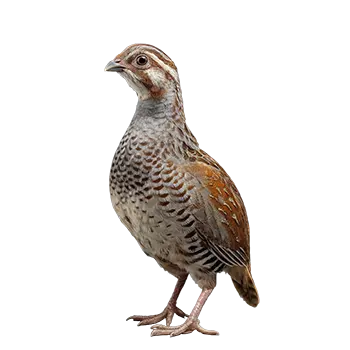

Nutritional Needs

Coturnix Quail have remarkably high metabolic rates relative to their body size, which translates into exacting nutritional demands that must be met consistently to sustain health and productivity. An adult laying hen requires a diet containing roughly twenty to twenty-four percent protein and adequate calcium to support the production of an egg nearly every day during peak lay. Meat birds bred for rapid growth need even higher protein levels during the finishing period. Falling short on any macronutrient will show up quickly in reduced egg output, slow feathering, or failure to reach target weight, often within days rather than weeks.

Protein quality matters as much as quantity. Coturnix are not ruminants that can synthesize amino acids from low-grade nitrogen sources. They need preformed essential amino acids, particularly methionine, lysine, and threonine, in bioavailable form. Soybean meal, fish meal, and dried insect meal are among the most efficient protein sources found in commercial quail feeds. A feed that lists its protein percentage without delivering a balanced amino acid profile will produce deceptive results: the crude protein number looks adequate on the label, but the birds underperform because one or more limiting amino acids are deficient.

Calcium and phosphorus must be supplied in the correct ratio, typically between two-to-one and three-to-one calcium to available phosphorus. Laying hens pull enormous amounts of calcium from their diet to form eggshells, and a shortfall leads to thin-shelled or shell-less eggs, skeletal weakness, and eventually cage layer fatigue. Non-laying birds and males need substantially less calcium, which creates a management challenge when mixed flocks share a single feeder. Offering supplemental calcium on the side, rather than relying solely on the base feed, allows individual birds to self-regulate intake according to their physiological needs.

Vitamins A, D3, and E are critical micronutrients for Coturnix. Vitamin D3 governs calcium absorption and is especially important for indoor-raised quail that receive no natural ultraviolet light. Vitamin A supports respiratory and reproductive health, while vitamin E functions as an antioxidant that protects cellular membranes during periods of physiological stress such as heavy laying or extreme temperatures. Commercially formulated feeds include a vitamin premix calibrated for gallinaceous birds, but storage conditions and shelf life affect potency. Feed stored in hot, humid environments or kept beyond its expiration date may deliver significantly less vitamin activity than its label claims.

What to Look For in Commercial Feed

The single most important decision in Coturnix nutrition is selecting the right base feed. Game bird crumble formulated for quail or chukar is the gold standard. These products are milled to a particle size that suits the small beak of a Coturnix, which is significantly smaller than that of a chicken. Chicken layer pellets or scratch grains are not appropriate substitutes. Pellets designed for chickens are too large for quail to consume efficiently, and scratch grains lack the protein density and vitamin fortification that quail require.

When reading feed labels, check that the guaranteed analysis lists protein at or above twenty percent for maintenance birds and twenty-four percent or higher for active layers and growing chicks. Fat content should fall between three and five percent for layers, with slightly higher levels acceptable for meat birds in the finishing stage. Fiber should remain below five percent, as excessive fiber dilutes the caloric density of the ration and quail have limited gut capacity to process bulky feeds.

Ingredient lists reveal the quality behind the numbers. Look for named protein sources like soybean meal, fish meal, or dried black soldier fly larvae rather than vague terms like animal protein products or poultry by-product meal. Ground corn or milo typically serves as the primary energy source, and both are acceptable provided the overall formulation is balanced. Avoid feeds containing excessive filler ingredients such as wheat middlings or rice hulls listed high in the ingredient order, as these add bulk without proportional nutritional value.

Freshness is an underappreciated factor. Feed begins losing vitamin potency from the moment it is milled, and the fat fraction can turn rancid in warm conditions. Purchase from suppliers with high turnover, check manufacture or expiration dates on the bag, and store opened feed in airtight containers away from heat and moisture. A fifty-pound bag that takes months to consume in a small flock is a false economy if half its vitamin content degrades before the last scoop is served.

Starter, Grower, and Layer Formulations

Coturnix Quail grow at an extraordinary pace, reaching adult size in roughly six to eight weeks, and their feed must keep up with each developmental stage. Starter feed for newly hatched chicks should contain twenty-eight to thirty percent protein with a fine crumble texture small enough for day-old birds to consume. Turkey or game bird starter crumble is generally the best fit, as standard chick starter formulated for chickens provides only eighteen to twenty percent protein, which is insufficient for the rapid skeletal and feather growth that Coturnix chicks undergo in their first weeks.

The grower phase begins at approximately three to four weeks of age and continues until the onset of lay, typically around six to eight weeks. During this transition, protein can be reduced to roughly twenty-two to twenty-four percent. Some keepers accomplish this shift by blending starter feed with a lower-protein game bird maintenance ration, while others switch to a dedicated grower crumble if one is available from their feed supplier. Abrupt feed changes should be avoided because sudden shifts in nutrient density or flavor can cause temporary feed refusal, which is particularly problematic in a species that cannot afford even a few days of inadequate intake without visible consequences.

Layer feed takes over once hens begin producing eggs. The protein requirement settles to around twenty to twenty-two percent, but calcium content must increase significantly, typically to three to three-and-a-half percent of the total ration. Dedicated quail layer crumble is ideal, though not all regions have suppliers that carry it. In areas where quail-specific layer feed is unavailable, a high-protein game bird maintenance crumble supplemented with free-choice oyster shell is a workable alternative. The oyster shell allows laying hens to consume additional calcium as needed without forcing excess calcium on males or non-laying birds housed in the same enclosure.

Meat birds destined for processing benefit from a finisher ration in the last two to three weeks before harvest. This feed is higher in energy and moderate in protein, encouraging the deposition of breast and thigh muscle rather than continued skeletal growth. Some producers simply continue the grower ration through processing age, which is acceptable but may result in slightly leaner carcasses. The choice between a dedicated finisher and an extended grower phase depends on the specific production goals and the availability of specialized feed in the local market.

Fresh Foods and Supplemental Foraging

While a well-formulated commercial crumble should serve as the nutritional backbone of a Coturnix diet, fresh foods and foraging opportunities add variety, behavioral enrichment, and supplemental micronutrients that processed feed alone cannot fully deliver. Dark leafy greens such as dandelion leaves, clover, chickweed, and romaine lettuce are readily accepted by most quail and provide vitamins A and K along with trace minerals. Greens should be offered in small quantities to prevent waste and spoilage in the enclosure.

Insects are a natural and highly valued food source for Coturnix. Dried mealworms, black soldier fly larvae, and small crickets provide concentrated animal protein and stimulate vigorous foraging behavior. Offering live insects encourages the birds to run, peck, and hunt, which promotes physical fitness and reduces stress-related behaviors such as feather picking. Dried insects can be scattered across the substrate to mimic natural foraging conditions, turning feeding time into an extended activity session rather than a brief visit to the feeder.

Finely chopped vegetables such as cucumber, zucchini, grated carrot, and cooked sweet potato are safe additions that most Coturnix will sample with varying degrees of enthusiasm. Individual quail develop distinct preferences, and it may take several exposures before a new food is accepted. Fruits should be offered sparingly due to their sugar content. Small pieces of watermelon, blueberries, or apple without seeds make occasional treats but should never constitute a significant portion of the diet.

Herbs deserve mention as both a nutritional supplement and a natural health support. Oregano, thyme, parsley, and basil contain volatile oils with mild antimicrobial and antioxidant properties. While these herbs are not a substitute for proper veterinary care or medicated management when disease strikes, their regular inclusion in the diet contributes to overall gut health and provides aromatic enrichment. Fresh or dried herbs can be mixed into feed, scattered in the enclosure, or offered in small bunches for the birds to pick through.

Calcium, Grit, and Mineral Supplements

Calcium supplementation stands apart from general nutrition as a management priority for any Coturnix flock that includes laying hens. Even feeds labeled as layer formulations may not supply enough calcium to sustain the output of a hen producing an egg every twenty-five to twenty-six hours during peak production. Crushed oyster shell is the most widely available and effective calcium supplement. Its coarse particle size ensures slow dissolution in the gizzard, providing a steady release of calcium throughout the shell-formation period, which occurs primarily overnight.

Oyster shell should be offered free-choice in a separate dish rather than mixed into the feed. This approach lets each bird regulate its own calcium intake, which is critical in flocks containing both males and females. Excess calcium is not merely wasteful for non-laying birds. It can cause kidney damage and gout in males and juvenile birds whose calcium requirements are a fraction of a laying hen's needs. A small container mounted at bird height or a shallow dish placed near the feeder keeps the supplement accessible without contaminating the primary feed.

Insoluble grit serves a completely different function from calcium and is equally essential. Coturnix, like all gallinaceous birds, lack teeth and rely on the muscular gizzard to grind food particles. Insoluble granite grit provides the abrasive material the gizzard needs to mechanically break down seeds, grains, and insect exoskeletons. Without grit, feed passes through the digestive tract only partially processed, reducing nutrient extraction and increasing feed costs. Grit should be offered free-choice in its own container, using a particle size appropriate for the age of the birds. Chick grit is finer than adult grit, and the two should not be interchanged.

Trace mineral supplements and electrolyte powders serve situational roles. During heat stress, molting, or recovery from illness, a water-soluble vitamin and electrolyte supplement can provide a short-term nutritional boost. These products typically contain B vitamins, vitamin C, and electrolytes like potassium and sodium that support hydration and metabolic recovery. They should be used as temporary interventions rather than daily additions, as chronic over-supplementation can create mineral imbalances and mask underlying management problems that need direct correction.

Foods to Avoid

Several categories of food are harmful or outright toxic to Coturnix Quail and must be rigorously excluded from their diet. Avocado flesh, skin, and pit contain persin, a fungicidal toxin that causes myocardial necrosis and respiratory distress in birds. Unlike some toxins that require large doses to produce clinical effects, persin is dangerous in relatively small quantities, and there is no treatment once symptoms appear. Any food preparation area shared with quail housing should be checked for stray avocado scraps.

Chocolate and caffeine-containing foods are toxic to all birds, including quail. Theobromine and caffeine affect the cardiovascular and nervous systems, and the small body mass of a Coturnix means that even a trivial amount of chocolate can produce fatal cardiac arrhythmia. Coffee grounds, tea leaves, and cocoa-based products should be kept well away from quail enclosures, including compost bins that the birds might access during supervised free-ranging sessions.

Raw dried beans contain phytohaemagglutinin, a lectin that is destroyed by thorough cooking but highly toxic in its unprocessed form. Even a few raw kidney beans can cause acute gastrointestinal distress and death in a bird as small as a Coturnix. Cooked beans are safe in small quantities, but the risk associated with raw beans means that any legume offered to quail should be fully cooked and rinsed. Similarly, raw potato skins and green potatoes contain solanine, a glycoalkaloid that causes neurological and digestive toxicity.

Salty, sugary, and heavily processed human foods have no place in a quail diet. Quail kidneys are not equipped to handle the sodium loads found in chips, crackers, processed meats, or seasoned foods. Excess salt leads to polydipsia, wet droppings, kidney stress, and potentially fatal electrolyte imbalances. High-sugar foods promote yeast overgrowth and obesity without providing any nutritional benefit. Bread, while not acutely toxic, is a poor feed choice because it fills the crop with low-nutrient bulk, displacing the high-protein feed that quail need to thrive.

Feeding Schedule and Management

Coturnix Quail do best with continuous access to feed rather than scheduled meals. Their high metabolic rate and small crop capacity mean that they eat frequently throughout the day, consuming small amounts at each visit to the feeder. Restricting feed access to set mealtimes risks periods of nutritional deficit that quickly manifest as reduced egg production, weight loss, or stress behaviors. A well-stocked feeder available from dawn to dusk ensures that every bird in the flock can eat according to its individual metabolic demands.

Feeder design influences how efficiently feed is consumed and how much is wasted. Trough-style feeders with rolled edges or narrow feeding slots reduce the billing-out behavior that quail are notorious for, where birds flick feed sideways with their beaks while searching for preferred particles. Wasted feed scattered across the enclosure floor attracts pests, promotes mold growth, and inflates feed costs. Some keepers use no-waste feeders with baffles or PVC pipe feeders with small access ports that force the birds to eat from the feeder rather than excavate it.

Water management is inseparable from feed management. Coturnix drink frequently and require clean, fresh water at all times. Nipple waterers are strongly preferred over open dishes because quail will wade through, defecate in, and kick substrate into open water containers within minutes. Each nipple or cup should serve no more than five to six birds to prevent competition and ensure adequate hydration. In cold weather, a heated base or a low-wattage aquarium heater prevents water lines from freezing. In hot weather, water consumption increases dramatically, and waterers may need to be refilled or checked multiple times daily.

Seasonal adjustments to the feeding program reflect the changing nutritional demands across the calendar. During winter, birds expend more energy on thermoregulation and benefit from slightly higher-fat rations or the addition of a small amount of cracked corn as an evening treat to fuel overnight heat production. During summer heat, feed intake naturally drops, so the nutrient density of the ration becomes even more critical. Some keepers switch to a higher-protein feed during hot months to compensate for reduced volume consumed. During molting periods, protein requirements increase sharply to support feather regrowth, and a temporary bump to a higher-protein ration or the addition of supplemental animal protein sources like dried insects helps birds through the molt more quickly and completely.

Always consult a qualified professional before making any health-related decisions. This content is provided for informational reference only and should not replace professional guidance specific to your animal.