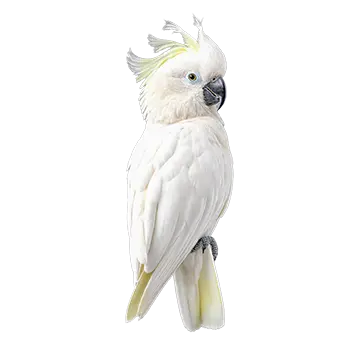

Nutritional Needs

Umbrella Cockatoos are large parrots with high energy demands and a metabolism that requires a carefully balanced diet. In the wild, they forage on seeds, nuts, fruits, berries, and insects across the forests of Indonesia, and their captive diet should reflect that diversity rather than relying on any single food source. A bird fed exclusively on seeds will almost certainly develop nutritional deficiencies, particularly in vitamins A and D, calcium, and essential amino acids.

The foundation of an Umbrella Cockatoo's diet should be a high-quality formulated pellet, which should make up roughly 60 to 70 percent of total daily intake. Pellets are designed to deliver balanced nutrition in every bite, eliminating the selective eating that occurs when birds pick through seed mixes and consume only their favorites. The remaining 30 to 40 percent should consist of fresh vegetables, fruits, legumes, and occasional nuts.

Fat intake is a particular concern for cockatoos in captivity. These birds are prone to obesity and fatty liver disease, especially when offered too many sunflower seeds, peanuts, or other high-fat items. While healthy fats are necessary, they should come in controlled portions. Calcium is equally important, particularly for breeding females, and can be supplemented through cuttlebone, mineral blocks, or calcium-rich vegetables like broccoli and kale.

Water quality matters as much as food quality. Fresh, clean water should be available at all times and changed at least twice daily, as cockatoos frequently dunk food in their water dishes, creating a breeding ground for bacteria. Some owners prefer water bottles to reduce contamination, though not all cockatoos will readily drink from them.

What to Look For

When selecting pellets for an Umbrella Cockatoo, look for products specifically formulated for large parrots or cockatoos. The ingredient list should prioritize whole grains, vegetables, and natural sources of vitamins and minerals rather than artificial colors, flavors, or preservatives. Artificial dyes are a common additive in many bird pellets, and while their direct health impact is debated, there is no nutritional benefit to including them, and many avian veterinarians recommend avoiding them.

Pellet size matters for a bird this large. Umbrella Cockatoos have powerful beaks and tend to lose interest in pellets that are too small or crumble too easily. Look for medium to large pellet sizes that provide some textural satisfaction and take a moment to crack or manipulate. This minor enrichment during feeding can make a meaningful difference in how willingly the bird accepts a pellet-based diet.

For fresh foods, prioritize organic produce when possible, and always wash fruits and vegetables thoroughly to remove pesticide residues. Dark leafy greens, orange and red vegetables, and low-sugar fruits should form the core of the fresh food rotation. Avoid anything that has been seasoned, salted, or cooked in oil.

When evaluating seed mixes, recognize that they are best used as a supplementary treat rather than a dietary staple. A quality seed mix will include a variety of seed types and sizes and should not be dominated by sunflower seeds. Some mixes include dried fruits and vegetables, which add variety but should not be counted as a substitute for fresh produce.

Recommended Dry Food

Formulated pellets are the single most important dietary product for a captive Umbrella Cockatoo. The best pellet diets use organic or minimally processed ingredients and avoid artificial additives. Look for products that list whole grains such as corn, wheat, or rice as primary ingredients, along with soy protein, dried vegetables, and chelated minerals for improved absorption.

Pellets come in several forms, including extruded, cold-pressed, and baked varieties. Extruded pellets are the most common and are produced using heat and pressure to create a uniform product. Cold-pressed pellets retain more of their original nutrient content due to lower processing temperatures but tend to be more expensive. Baked pellets often have a crunchier texture that some cockatoos prefer. Trying a few different formats can help determine which your bird finds most palatable.

Some owners find success with grain-based pellets that incorporate a broader range of ingredients, including legumes, seeds, and dried botanicals. These products aim to provide dietary variety within the pellet itself, which can be helpful for birds that resist the transition from seeds. However, the primary goal remains consistent nutrition, so choose products that clearly list their guaranteed nutritional analysis.

When transitioning an Umbrella Cockatoo from a seed-based diet to pellets, patience is essential. Gradual introduction over several weeks, mixing pellets into the existing seed mix in increasing proportions, tends to produce the best results. Some birds take to pellets quickly, while others may need months to fully convert. Monitoring weight during the transition is important to ensure the bird is eating enough.

Wet & Fresh Options

Fresh foods are a vital component of the Umbrella Cockatoo's diet and should be offered daily. Dark leafy greens such as kale, Swiss chard, dandelion greens, and collard greens are excellent sources of calcium, vitamin A, and other micronutrients. Orange and yellow vegetables like sweet potato, butternut squash, and carrots provide beta-carotene and fiber. These can be offered raw or lightly steamed, with steaming sometimes improving digestibility and acceptance.

Fruits should be offered in moderation due to their sugar content. Berries, papaya, mango, pomegranate, and apple slices are popular choices that most cockatoos enjoy. Citrus fruits can be offered occasionally but are often less well-received. Remove any seeds or pits from fruits before serving, as some, particularly those from stone fruits, contain compounds that are toxic to birds.

Cooked legumes such as lentils, chickpeas, and kidney beans are an excellent source of plant protein and can be offered several times per week. Cooked whole grains like brown rice, quinoa, and barley also make nutritious additions. These can be mixed together into a warm mash that many cockatoos find appealing, especially during cooler months.

Sprouted seeds and grains offer a nutritional profile that falls between dry seeds and fresh vegetables. The sprouting process increases vitamin content and reduces fat levels, making sprouts a healthier alternative to dry seeds. They can be prepared at home with proper attention to hygiene, as the warm, moist conditions required for sprouting can also encourage bacterial growth if not carefully managed.

Fresh food should be removed from the cage within a few hours to prevent spoilage, particularly in warm environments. Establishing a routine where fresh foods are offered in the morning and removed by midday helps maintain food safety without creating waste.

Treats & Supplements

Treats serve a dual purpose for Umbrella Cockatoos, functioning as both a dietary supplement and a tool for bonding and training. Nuts are the most universally loved treat among cockatoos, with almonds, walnuts, pecans, and macadamia nuts being popular choices. Because of their high fat content, nuts should be limited to a few per day and used strategically as rewards during training sessions or social interaction.

Dehydrated fruits and vegetables make convenient treats that can be stored longer than fresh produce. Look for products with no added sugar, sulfites, or preservatives. Freeze-dried options tend to retain more nutritional value than conventionally dehydrated products. Some owners also use small pieces of whole-grain pasta, plain popcorn, or unsweetened cereal as occasional training treats.

Supplements should be used judiciously and ideally under the guidance of an avian veterinarian. Birds on a well-balanced pellet-based diet with daily fresh foods may not require additional supplementation. However, breeding females often benefit from calcium supplements, and birds with limited exposure to natural sunlight may need vitamin D3 support. Powdered supplements can be sprinkled on fresh foods, while liquid supplements are sometimes added to drinking water, though this method makes dosing less precise.

Cuttlebone and mineral blocks should be available in the cage at all times. They provide a natural source of calcium and trace minerals while also giving the bird an outlet for its chewing instinct. Replace these items when they become heavily worn or soiled.

Foods to Avoid

Several common foods are toxic to Umbrella Cockatoos and must be kept out of reach at all times. Avocado is among the most dangerous, as it contains persin, a compound that can cause cardiac distress and death in birds even in small amounts. Chocolate contains theobromine and caffeine, both of which are toxic to birds. Onions and garlic contain compounds that can damage red blood cells and lead to anemia with repeated exposure.

Caffeine in any form, including coffee, tea, and energy drinks, is hazardous to birds due to their small body size and rapid metabolism. Alcohol is similarly dangerous and can be fatal even in tiny quantities. Sugar-free products containing xylitol should also be avoided, as this sweetener is toxic to many animals.

High-salt and high-fat processed foods pose serious health risks to cockatoos. Chips, crackers, fried foods, and processed meats can contribute to obesity, cardiovascular problems, and kidney damage over time. Even foods that are not immediately toxic can cause cumulative harm when offered regularly. Dairy products are generally poorly tolerated by birds, which lack the enzyme lactase needed to digest milk sugars, though small amounts of hard cheese are sometimes tolerated.

Fruit seeds and pits from apples, cherries, peaches, plums, and apricots contain cyanogenic compounds and should always be removed before offering fruit. Rhubarb leaves contain oxalic acid and are toxic. Mushrooms, particularly wild varieties, should be avoided entirely. When in doubt about the safety of any food, consult an avian veterinarian before offering it to your bird.

Feeding Schedule

Umbrella Cockatoos thrive on a consistent daily feeding routine that mimics the natural rhythm of foraging in the morning and late afternoon. A typical schedule involves offering fresh pellets and water first thing in the morning, followed by a serving of fresh fruits, vegetables, and other whole foods. The fresh food portion should be removed after two to three hours to prevent spoilage.

An adult Umbrella Cockatoo generally consumes between one-third and one-half cup of pellets per day, supplemented by roughly the same volume of fresh foods. However, individual needs vary based on the bird's size, activity level, age, and health status. Monitoring body weight on a regular basis, ideally weekly using a gram scale, is the most reliable way to ensure the bird is maintaining a healthy condition.

Foraging opportunities should be integrated into the feeding schedule whenever possible. Rather than placing all food in a single dish, distribute portions across foraging toys, stainless steel skewers, and treat-dispensing devices throughout the cage. This encourages the bird to work for its food, providing mental stimulation and physical activity that are essential for a species as intelligent and active as the Umbrella Cockatoo.

Evening feeding can include a smaller portion of pellets or a light snack of vegetables. Avoid offering large meals close to the bird's bedtime, as cockatoos need ten to twelve hours of uninterrupted sleep and a heavy meal late in the day can disrupt rest. Consistency in timing is more important than exact quantities, as the bird will learn to anticipate its meals and regulate its intake accordingly.

Adjust feeding amounts during seasonal changes, periods of increased activity, molting, or illness. Molting birds may benefit from additional protein and fat to support feather regrowth, while less active birds may need reduced portions to prevent weight gain. Always consult an avian veterinarian if you notice significant changes in appetite, weight, or eating behavior.

Always consult a qualified professional before making any health-related decisions. This content is provided for informational reference only and should not replace professional guidance specific to your animal.