
Space Requirements

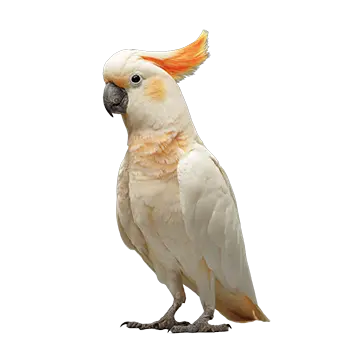
The Citron-Crested Cockatoo is an energetic and physically active parrot that requires substantially more living space than its moderate body size might suggest. While the bird measures roughly thirteen to fifteen inches from head to tail, its wingspan, climbing habits, and need for physical movement demand an enclosure that allows full wing extension, comfortable locomotion, and room for toys and foraging stations without creating a cramped interior. Undersized housing is one of the most common contributors to behavioral problems in captive cockatoos, including feather destructive behavior, screaming, and stereotypic movements.

The minimum recommended cage dimensions for a single Citron-Crested Cockatoo are thirty-six inches wide by twenty-four inches deep by forty-eight inches tall, though larger is always preferable. Many experienced cockatoo owners and avian behaviorists recommend enclosures closer to four feet wide by three feet deep by five feet tall as a practical minimum for a bird that will spend significant time inside. Width and depth are arguably more important than height, since cockatoos spend more time climbing horizontally and moving between perches than flying vertically.

For owners who can dedicate an entire room or a large section of a room to their bird, a walk-in flight enclosure or dedicated bird room provides the most natural and enriching environment. These setups allow the bird to fly short distances, explore multiple activity stations, and interact with its environment in ways that no conventional cage can match. A bird room requires thorough bird-proofing, including covering or removing toxic materials, securing windows and doors, and eliminating access to electrical wiring and small ingestible objects.

Regardless of cage size, supervised out-of-cage time is essential for every Citron-Crested Cockatoo. The cage should be understood as a safe sleeping and resting space rather than a permanent habitat. Birds that spend the majority of their waking hours inside even a generously sized cage will eventually exhibit signs of physical and psychological deprivation. A well-planned housing setup therefore includes both the primary enclosure and a broader living area where the bird can interact with family members and engage in supervised activity.

Cage Dimensions & Bar Specifications

Bar spacing is a critical safety specification that must be evaluated before any other cage feature. For a Citron-Crested Cockatoo, bar spacing should be between three-quarters of an inch and one inch. Bars spaced wider than one inch create a risk of head entrapment, where the bird can push its head through the gap but cannot retract it, potentially leading to injury or strangulation. Bars spaced too narrowly waste visual space and can trap toes or toenails during climbing.

Bar gauge, which refers to the thickness of the wire, must be heavy enough to withstand the beak pressure of a cockatoo. Cockatoos are among the most destructive chewers in the parrot world, and the Citron-Crested is no exception. Thin-gauge bars designed for budgies or cockatiels will be bent, broken, or chewed through in short order. Look for bar gauges of at least four millimeters, with five or six millimeters preferred for long-term durability. Horizontal bar orientation on at least two sides of the cage facilitates climbing, which is the primary mode of cage locomotion for cockatoos.

Door design affects daily management significantly. A large front door that opens wide enough for the bird to step onto a hand or arm without contortion is essential. Play-top cages, which feature a flat or contoured roof with perches and cup holders, give the bird an elevated activity area outside the cage and are popular with cockatoo owners. Some cages include smaller side doors for food and water access, allowing owners to service dishes without opening the main door and risking an unplanned exit.

The cage tray and grate system should be practical and easy to clean. A pull-out tray that slides freely without catching on frame components makes daily cleaning far less tedious. The grate that separates the bird from the tray floor should have spacing tight enough to prevent the bird from accessing soiled substrate material below. Some owners remove the grate to allow foot contact with flat surfaces, which can be beneficial for foot health but requires more frequent cleaning to prevent contact with droppings.

Interior Layout & Perch Placement

The interior arrangement of a Citron-Crested Cockatoo's cage has a direct impact on the bird's physical health, comfort, and psychological engagement. Perches are the most fundamental interior element, and their placement, material, and diameter determine how the bird moves through its space and how its feet develop over time. A minimum of three perches at varying heights and positions creates a functional circuit that encourages movement and provides options for resting, eating, and sleeping.

Perch diameter should vary across the installations to exercise different foot muscles and prevent pressure sores. A diameter range of roughly three-quarters of an inch to one and a half inches suits the Citron-Crested Cockatoo's foot size. Natural wood perches with irregular surfaces and slight diameter variations along their length are superior to uniform dowels because they distribute pressure across the foot rather than concentrating it on a single contact area. Manzanita, java wood, and dragonwood are popular choices that combine durability with natural texture.

Concrete and mineral perches serve a functional role by keeping nails naturally trimmed and providing a rough surface for beak conditioning. These should be positioned as secondary perches rather than primary resting spots, since their hard, abrasive surfaces can cause foot irritation if used as the bird's sole resting point. Placing a conditioning perch near a food or water station encourages regular use without making it the default perch for extended sitting.

Food and water stations should be positioned away from perches directly above them to prevent contamination from droppings. Many cockatoo cages include built-in cup holders at mid-height positions, and these work well when paired with stainless steel or ceramic dishes that resist chewing. Positioning food stations at different heights and locations within the cage encourages movement between feeding and resting areas, adding a small but meaningful amount of physical activity to the bird's daily routine. Swing perches and boing-style spiral rope perches add dynamic movement options that many cockatoos enjoy.

Cage Materials & Construction

Material selection for a cockatoo cage is a safety-critical decision. Stainless steel is the gold standard for cockatoo enclosures. It is completely non-toxic, impervious to chewing damage under normal conditions, resistant to rust and corrosion, and easy to clean and disinfect. The primary drawback of stainless steel is cost, as high-quality stainless steel cages typically represent a significant investment. However, given that a Citron-Crested Cockatoo may live forty to sixty years, the per-year cost of a durable stainless steel cage compares favorably to replacing cheaper cages every few years.

Powder-coated wrought iron is the most common alternative to stainless steel and serves adequately for many cockatoo owners. The powder coating provides a barrier between the bird and the metal, but it must be monitored for chips and flaking. Cockatoos will methodically work at any coating imperfection, and ingesting paint or coating fragments is a health risk. Regular inspection of high-wear areas, particularly around doors, latches, and favorite chewing spots, is necessary with any coated cage. Recoating with bird-safe products is possible but labor-intensive.

Zinc and lead are the two metals that pose the greatest toxicity risk in bird housing. Galvanized wire and hardware contain zinc coatings that can cause heavy metal poisoning when ingested through chewing. Lead is sometimes found in soldered joints, cheap imported cages, and certain paints. Any cage marketed as suitable for parrots should be explicitly verified as zinc-free and lead-free. Imported cages of uncertain manufacture should be avoided entirely, or tested with a lead detection kit before use.

Cage welds, seams, and hardware deserve close inspection before purchase. Sharp edges from poorly finished welds can cut feet or beaks. Weak seam joints may separate under the sustained leverage that a cockatoo applies during climbing and hanging. Locks and latches must be cockatoo-proof, which is a higher standard than parrot-proof in general. Cockatoos are notorious escape artists with exceptional problem-solving skills and strong beaks capable of dismantling spring-loaded clips and simple slide bolts. Padlocks or carabiner-style latches are recommended for all access points.

Outdoor Aviaries & Flight Enclosures

An outdoor aviary provides a Citron-Crested Cockatoo with access to natural sunlight, fresh air, and a dramatically expanded range of movement compared to any indoor cage. Full-spectrum natural sunlight is the most efficient source of ultraviolet B radiation, which drives vitamin D3 synthesis in the bird's skin and facilitates calcium metabolism. Even short supervised sessions in outdoor sunlight deliver UVB benefits that artificial lighting can only approximate.

Aviary construction for cockatoos demands materials and engineering that can withstand years of determined chewing and physical testing. Welded stainless steel mesh or heavy-gauge galvanized-after-welding panels rated for parrot use are the standard wall materials. Ordinary chicken wire or lightweight hardware cloth will not survive a cockatoo's beak and is not secure against predators. The mesh gauge should be thick enough to resist biting, and the panel connections must be reinforced at every joint, since cockatoos will systematically probe for weak points.

Predator protection is a non-negotiable element of outdoor aviary design. Raptors, raccoons, opossums, snakes, and domestic cats all pose serious threats to caged birds. A fully enclosed aviary with a solid or double-mesh roof prevents aerial predator access. The enclosure floor should either be a concrete slab or hardware cloth buried at least twelve inches underground to prevent digging predators from tunneling beneath the walls. Double-door entry vestibules prevent escape during owner access and add a buffer against intrusion.

Climate considerations vary by region but must be addressed in any permanent outdoor installation. Citron-Crested Cockatoos are native to tropical Indonesia and cannot tolerate prolonged cold exposure. In temperate climates, outdoor aviaries are best used seasonally or equipped with heated shelters that allow the bird to retreat from wind, rain, and temperature drops. Shade structures or solid roof panels over a portion of the aviary provide protection from direct midday sun, which can cause overheating even in species adapted to warm climates. Misting systems offer cooling during hot weather and provide bathing enrichment that many cockatoos relish.

Location & Environmental Factors

Where a cage is placed within the home affects the bird's sense of security, social engagement, and environmental stress levels. Citron-Crested Cockatoos are highly social birds that need to feel included in household activity, so the primary cage should be located in a common living area where the family gathers regularly. Isolated rooms such as spare bedrooms or basements deprive the bird of social interaction and can lead to loneliness-driven behaviors including excessive screaming, feather plucking, and withdrawal.

While social proximity is important, the cage should not be placed in the center of a high-traffic pathway where people constantly pass on all sides. Cockatoos feel most secure when at least one side of their cage is positioned against a wall, which provides a visual barrier that reduces the feeling of vulnerability. A corner placement with two solid walls behind the cage offers even greater security while still allowing the bird to observe room activity from a protected vantage point.

Kitchens are categorically unsuitable locations for bird cages. Cooking produces airborne particles, fumes from heated oils, and steam that can irritate avian respiratory systems. More critically, overheated nonstick cookware releases polytetrafluoroethylene fumes that cause acute respiratory failure and rapid death in birds. Even with careful cookware choices, the kitchen environment presents too many thermal, chemical, and safety hazards for a permanent cage location.

Temperature stability and air quality are essential environmental considerations. The cage should be positioned away from windows that receive direct sun for extended periods, heating vents that create hot dry drafts, and exterior doors that introduce cold air during winter. Citron-Crested Cockatoos are comfortable in the same temperature range that humans prefer, roughly sixty-five to eighty degrees Fahrenheit. Sudden temperature swings are more stressful than a consistently cool or warm baseline. Air purifiers designed for homes with birds can significantly improve respiratory health by removing feather dust, dander, and airborne particulates that cockatoos produce in substantial quantities.

Cleaning & Maintenance

Consistent cleaning is essential for maintaining a healthy living environment within a cockatoo enclosure. Cockatoos are prolific producers of feather dust and dander, a fine powder that coats cage surfaces, nearby furniture, and can accumulate in ventilation systems. This powder is a natural byproduct of the powder down feathers that cockatoos possess, and its volume means that cleaning frequency must be higher for cockatoo cages than for most other parrot species.

Daily cleaning tasks include removing and replacing cage liner or substrate material, washing food and water dishes with hot water and a bird-safe detergent, wiping down perches that have accumulated droppings, and sweeping or vacuuming the area around the cage base. Food dishes should be washed after every meal rather than simply refilled, as bacterial growth on residual food can cause crop infections and gastrointestinal illness. Stainless steel dishes are preferred because they can be thoroughly sterilized and do not harbor bacteria in cracks or scratches the way plastic does.

Weekly deep cleaning should involve removing the bird from the cage and scrubbing all cage surfaces, including bars, frame joints, and the tray system, with a bird-safe disinfectant or a diluted vinegar solution. Perches should be inspected for excessive wear, fraying, or contamination that daily wiping did not address. Natural wood perches that have become saturated with droppings should be replaced rather than scrubbed, as porous wood can harbor bacteria deep within its grain structure. Rotating perches between two sets, with one in use and one being cleaned and dried, simplifies this process.

Monthly and quarterly maintenance tasks extend beyond cleaning to structural inspection. Check all bolts, screws, and fasteners for looseness, as cockatoo activity and vibration can gradually loosen hardware. Inspect welds and bar joints for signs of stress or cracking. Examine locks and latches for wear that might compromise security. Powder-coated cages should be checked for coating deterioration, and any chips or bare metal spots should be addressed before the bird has an opportunity to ingest flaking material. A well-maintained cage lasts for decades, while a neglected one becomes both a safety hazard and a hygiene problem that no amount of surface cleaning can resolve.

Always consult a qualified professional before making any health-related decisions. This content is provided for informational reference only and should not replace professional guidance specific to your animal.