
Nutritional Needs

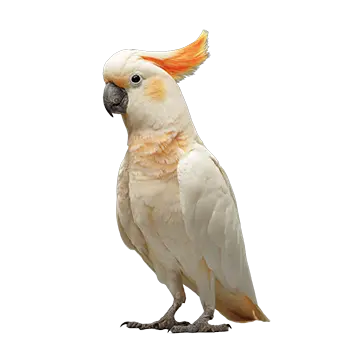
The Citron-Crested Cockatoo is a medium-sized member of the Cacatua sulphurea complex, and its dietary requirements reflect the metabolic demands of an active, emotionally complex parrot with a lifespan that can exceed half a century. In the wild, these cockatoos forage on seeds, nuts, fruits, berries, blossoms, and occasionally insects across the forests of Sumba in Indonesia. Replicating the breadth and nutritional balance of that wild diet in captivity is the central challenge of feeding this species well.

Like all cockatoos, the Citron-Crested has a predisposition toward weight gain when fed calorie-dense diets without sufficient physical activity. Their enthusiastic appetite and fondness for fatty seeds and nuts can quickly lead to obesity if owners treat preferred foods as dietary staples rather than occasional rewards. A diet that keeps body weight stable while providing complete nutrition requires deliberate planning and consistent portion control.

Fat metabolism is an area of particular concern. Cockatoos in general are more susceptible to fatty liver disease and atherosclerosis than many other parrot families, and diets high in sunflower seeds or safflower seeds dramatically increase this risk over time. The Citron-Crested Cockatoo's dietary fat should come primarily from whole food sources offered in controlled quantities, with the bulk of daily calories derived from formulated pellets and fresh vegetables.

Vitamin D synthesis is another consideration that directly affects dietary planning. Cockatoos housed indoors without access to unfiltered sunlight or full-spectrum lighting may struggle to metabolize calcium efficiently regardless of dietary calcium content. This interplay between lighting and nutrition means that food choices alone cannot guarantee skeletal and feather health. Owners should consider vitamin D3 status as part of the overall nutritional picture, particularly when annual bloodwork reveals borderline calcium or vitamin D levels.

What to Look For

Selecting food products for a Citron-Crested Cockatoo starts with understanding ingredient quality and formulation philosophy. The best pelleted diets for cockatoos use whole grains, legumes, and vegetables as their primary ingredients rather than relying on corn, soy isolates, or refined starches as cheap fillers. Ingredient lists should be readable and recognizable. If the first several ingredients sound more like industrial chemistry than food, the product is unlikely to serve the bird's long-term health.

Fat content on the guaranteed analysis panel is one of the most important numbers to check for any cockatoo species. Pellets designed for cockatoos should generally contain between three and six percent crude fat. Products marketed broadly as parrot food often contain fat levels appropriate for macaws or Amazons but excessive for cockatoos. Some manufacturers produce cockatoo-specific formulations with adjusted fat and protein ratios, and these are worth seeking out when available.

Artificial dyes, flavors, and preservatives should be avoided. While brightly colored pellets may look appealing in the bag, the dyes serve no nutritional purpose and some avian veterinarians have raised concerns about long-term exposure to synthetic colorants in birds. Naturally pigmented pellets that derive their color from ingredients like beet powder, turmeric, or spirulina are a better option when color variety is desired.

Packaging and freshness matter more than many owners realize. Pellets lose nutritional potency over time, particularly fat-soluble vitamins that degrade with exposure to air, light, and heat. Look for products with clear manufacturing or expiration dates and buy in quantities that will be consumed within a reasonable timeframe. Storing pellets in airtight containers in a cool, dark location extends their shelf life and preserves nutrient content.

Recommended Pellet Types

Formulated pellets should constitute roughly fifty to sixty percent of a Citron-Crested Cockatoo's daily diet. The pellet market offers several manufacturing approaches, each with distinct characteristics. Extruded pellets are produced by cooking ingredients under high pressure and temperature, creating a uniform product with consistent nutrient distribution throughout each piece. Cold-pressed pellets undergo less thermal processing, which may preserve more heat-sensitive nutrients but can result in a shorter shelf life.

For cockatoo species prone to weight gain, low-fat pellet formulations are strongly preferred. Several reputable manufacturers offer lines specifically designed for cockatoos, cockatiels, and other species with similar metabolic profiles. These formulations typically reduce fat content while maintaining adequate protein levels and fortifying with vitamins and minerals at concentrations appropriate for the species group. The reduced fat content means these pellets are less calorie-dense per gram, allowing the bird to eat a satisfying volume without excessive caloric intake.

Pellet size should match the bird's beak and feeding style. Citron-Crested Cockatoos are medium-sized parrots that handle medium pellet sizes most comfortably. Pellets that are too small may be scattered and wasted, while oversized pellets designed for large macaws can be cumbersome. Some birds develop preferences for specific pellet shapes, with berry-shaped or irregularly formed pellets sometimes generating more interest than uniform cylinders.

Transitioning a seed-addicted cockatoo to a pelleted diet requires patience and strategy. Abrupt dietary changes can lead to refusal and dangerous weight loss in a species already prone to stress-related eating disruptions. Gradual mixing, where pellets are introduced alongside the current diet in slowly increasing proportions over several weeks, is the safest approach. Offering pellets in the morning when the bird is hungriest and reserving small amounts of preferred seeds for later in the day can accelerate acceptance.

Fresh Foods & Cooking Mixes

Fresh foods should represent approximately thirty to forty percent of the Citron-Crested Cockatoo's daily intake and provide the nutritional variety that pellets alone cannot deliver. Dark leafy greens such as kale, Swiss chard, dandelion greens, and broccoli leaves are excellent staples that supply calcium, iron, and vitamin A precursors. These should be offered daily in rotation, washed thoroughly, and presented in ways that encourage interaction, such as clipped to cage bars or woven through toys.

Orange and yellow vegetables are important sources of beta-carotene and should appear regularly in the diet. Cooked sweet potato, raw bell peppers, butternut squash, and carrots provide a range of carotenoids and antioxidants. Cooking dense root vegetables makes their nutrients more bioavailable and their texture easier for the bird to manage, while peppers and other crunchy vegetables can be offered raw for textural enrichment. Variety across the color spectrum ensures a broad range of phytonutrients.

Cooked grain and legume mixes formulated for parrots offer a convenient way to diversify the diet. These products typically contain a blend of lentils, split peas, brown rice, quinoa, and dried vegetable pieces that can be prepared in bulk and stored in the refrigerator or freezer. When evaluating cooking mixes, check ingredient lists for added salt, sugar, or artificial preservatives, which should be absent. The best mixes serve as a nutritious base to which fresh chopped vegetables can be added before serving.

Sprouted seeds represent a nutritional bridge between dry seeds and fresh vegetables. The germination process converts stored fats and starches into vitamins, enzymes, and more easily digested proteins. Mung beans, lentils, sunflower seeds, and buckwheat are popular sprouting choices for parrots. Sprouting requires strict hygiene, as the warm, moist conditions that promote germination also favor bacterial growth. Rinsing sprouts thoroughly multiple times per day and discarding any batches that develop off odors or visible mold is essential for safety.

Treats & Supplements

Treats play an important role in training, bonding, and behavioral enrichment for Citron-Crested Cockatoos, but their selection requires careful thought given the species' tendency toward weight gain. Nuts are universally beloved by cockatoos and serve as powerful motivators during training sessions. Almonds, walnuts, and pine nuts are nutritious options, but their high fat content demands strict portion control. A single almond or walnut half per day is a reasonable limit for a healthy bird at stable weight, with additional pieces reserved for active training sessions.

Nut-in-shell treats provide enrichment value beyond their nutritional content. The process of cracking and extracting the nut engages the bird's powerful beak and problem-solving instincts, extending the reward and providing physical and mental stimulation. Small nuts like hazelnuts and almonds in their shells are appropriate for the Citron-Crested Cockatoo's beak size, while larger nuts like macadamias or Brazil nuts may be too challenging and frustrating.

Calcium supplementation is worth discussing with an avian veterinarian, particularly for birds housed without access to natural sunlight. Cuttlebone remains the most traditional calcium source and also satisfies the cockatoo's persistent need to chew and shred. Mineral blocks formulated for parrots provide calcium along with trace minerals and can be mounted in the cage for ad libitum access. Liquid calcium supplements offer more precise dosing control and are useful for birds that ignore cuttlebone, though they should be administered under veterinary guidance.

Vitamin supplements should be approached conservatively. A Citron-Crested Cockatoo eating a balanced diet of quality pellets, diverse fresh foods, and occasional healthy treats generally does not require routine multivitamin supplementation. Over-supplementation, particularly of fat-soluble vitamins A and D, can cause toxicity that is more dangerous than the deficiency it aims to prevent. Targeted supplementation under veterinary direction is appropriate for birds with documented deficiencies, those recovering from illness, or those whose dietary intake is limited by medical or behavioral issues.

Foods to Avoid

Certain foods are toxic to Citron-Crested Cockatoos and must be completely excluded from the diet. Avocado tops the list of dangerous foods, as every part of the fruit contains persin, a fungicidal toxin that causes myocardial necrosis and respiratory distress in birds. Even small quantities can be lethal, and there is no safe preparation method that neutralizes the toxin. Chocolate and anything containing cocoa are equally dangerous, with theobromine causing vomiting, diarrhea, cardiac arrhythmia, seizures, and death in birds.

Onions, garlic, shallots, leeks, and chives belong to the Allium family and contain organosulfur compounds that damage avian red blood cells, leading to hemolytic anemia with repeated or significant exposure. This toxicity is cumulative, meaning even small regular doses can build to dangerous levels over time. These ingredients frequently appear in prepared foods, seasoning blends, and sauces, so any human food shared with a cockatoo must be checked for hidden allium content.

High-fat foods beyond controlled treat portions pose serious long-term health risks for cockatoos. Cheese, butter, fried foods, and excessive seed or nut consumption contribute to hepatic lipidosis and atherosclerosis, conditions that develop silently over years and may not become apparent until organ damage is advanced. The Citron-Crested Cockatoo's enthusiasm for fatty foods makes it especially important that owners resist the temptation to indulge the bird's preferences at the expense of its health.

Caffeine in any form, including coffee, tea, energy drinks, and cola, causes dangerous cardiac stimulation in birds. Alcohol is similarly toxic, causing rapid metabolic disruption even in tiny amounts. Fruit pits and apple seeds contain amygdalin, a cyanogenic glycoside that releases hydrogen cyanide during digestion. While a single seed is unlikely to cause acute poisoning, these should be removed before offering fruit. Raw dried beans contain phytohemagglutinin, a lectin that is destroyed by thorough cooking but toxic in its uncooked state, so any beans offered must be fully cooked.

Feeding Schedule

A structured feeding schedule supports the metabolic health, behavioral stability, and emotional wellbeing of a Citron-Crested Cockatoo. Morning is the ideal time to offer the primary fresh food meal, as the bird is naturally hungriest after the overnight fasting period and most receptive to nutritious foods it might otherwise ignore. Fresh foods should be presented early and removed within a few hours to prevent spoilage, particularly in warm environments where bacteria multiply rapidly on moist produce.

Pellets should be available throughout the day as the dietary foundation, with the portion measured to prevent overconsumption. For a healthy adult Citron-Crested Cockatoo at stable weight, approximately one-quarter to one-third cup of pellets per day is a reasonable starting point, adjusted based on activity level, health status, and the bird's body condition. Weighing the bird weekly on a gram scale provides objective data about whether the current food volume is maintaining appropriate weight.

A smaller secondary fresh food offering in the late afternoon mirrors natural foraging patterns and provides a second opportunity for the bird to consume vegetables and other whole foods. This evening serving can include different items than the morning meal to maximize dietary variety. Removing uneaten fresh food before the bird's bedtime prevents overnight bacterial growth and discourages the bird from filling up on stale leftovers rather than fresh pellets the following morning.

Foraging opportunities should be integrated throughout the feeding schedule rather than confined to a single bowl. Hiding pellets inside foraging toys, wrapping treats in paper, or threading vegetables onto skewers transforms routine meals into enrichment activities that engage the bird's intelligence and natural food-seeking behaviors. Cockatoos that work for their food exhibit fewer behavioral problems than those that eat passively from a dish, making foraging-based feeding both a nutritional and psychological strategy.

Always consult a qualified professional before making any health-related decisions. This content is provided for informational reference only and should not replace professional guidance specific to your animal.