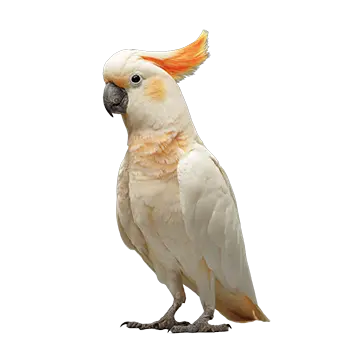

Essential Accessories Overview

Beyond the cage and toys that occupy the center of daily life, a well-equipped Citron-Crested Cockatoo household requires a range of accessories that support the bird's health, safety, mobility, and hygiene. These items are not luxuries or optional upgrades. A secure travel carrier, reliable grooming tools, appropriate feeding equipment, and bathing supplies are as fundamental to responsible cockatoo ownership as the cage itself. Investing in quality across these categories reduces long-term replacement costs and ensures that every interaction with the bird, from routine nail trims to veterinary visits, proceeds safely.

The Citron-Crested Cockatoo's combination of physical strength, sharp beak, curious temperament, and long lifespan means that accessories must meet a higher durability standard than products designed for smaller or less mechanically inclined bird species. A carrier latch that holds against a conure's casual investigation will not survive a cockatoo's focused effort to dismantle it. Feeding dishes that last years with a canary will crack or chip under cockatoo-strength beak strikes. Every accessory purchase should be evaluated through the lens of cockatoo-grade use.

Planning the accessory inventory before or shortly after bringing a Citron-Crested Cockatoo home prevents the scramble of discovering essential items are missing when they are urgently needed. A veterinary emergency at ten o'clock at night is a poor time to realize there is no travel carrier in the house. A broken blood feather is best managed with a styptic product already in the first aid kit rather than one that needs to be ordered. Building a complete accessory kit early establishes preparedness that pays dividends over the decades of the bird's life.

Many accessories serve dual purposes when selected thoughtfully. A high-quality play stand functions as both an out-of-cage activity center and a grooming station. A well-designed carrier works for both veterinary transport and supervised outdoor excursions. Thinking about how each accessory integrates into the broader routine helps justify the investment and ensures that items actually get used rather than accumulating in a closet.

Perch Stands & Play Tops

Freestanding perch stands and tabletop play gyms provide the Citron-Crested Cockatoo with dedicated out-of-cage territory where it can exercise, socialize, and engage with toys independently of its primary enclosure. A quality play stand effectively doubles the bird's usable living space and gives it a socially integrated perching option in rooms where the cage may not be located. Many cockatoo owners place stands in the living room, home office, or kitchen-adjacent areas to keep the bird involved in household activity during supervised free time.

Construction materials for play stands must match the durability demands of a cockatoo. Hardwood stands made from manzanita, java wood, or ribbon wood provide excellent resistance to beak damage and offer the natural branch textures and diameter variations that benefit foot health. Wrought iron stands with powder-coated finishes are durable and easy to clean but should be inspected periodically for coating chips that might expose the bird to bare metal. Stainless steel stands represent the highest tier of durability and safety but command premium prices.

The design of the play stand should include multiple perch levels at varying heights and angles, several attachment points for hanging toys, and integrated food and water cup holders. A catch tray beneath the perching area contains droppings and dropped food, making cleanup manageable. Stands with wheeled bases offer the convenience of repositioning without lifting, which is valuable for heavy hardwood or metal units. Stability is paramount: a play stand that tips when the bird shifts position or flaps vigorously is dangerous and will undermine the bird's confidence in using it.

Tabletop T-stands and portable perches serve a different function, providing a simple, designated perching spot for situations where a full play gym is impractical. A tabletop stand on a desk or dining table allows the bird to be near its owner during work or meals without free-roaming across surfaces. Portable perches can travel to different rooms, outdoor patios, or even other households. The simplicity of these smaller stands makes them easy to clean and store, and most cockatoo owners accumulate several over time for use throughout the home.

Feeding & Watering Equipment

The quality and design of feeding and watering equipment directly affects the bird's nutrition, hydiene, and daily management convenience. Stainless steel dishes are the industry standard for cockatoo food and water service. They resist corrosion, do not harbor bacteria in surface scratches, withstand the dishwasher and boiling water sterilization, and tolerate the beak strikes and cage-rattling that cockatoos routinely deliver. Ceramic crocks are an acceptable alternative that offers weight stability, but they must be replaced at the first sign of chips or cracks where bacteria can colonize.

Dish mounting systems must be cockatoo-proof. Standard spring-clip cup holders are easily defeated by a bird that can unhook the spring mechanism and dump the contents into the cage floor within seconds. Bolt-on crock holders that attach to the cage bars with wing nuts or quick-release mechanisms provide much greater security. Some cage manufacturers offer proprietary locking dish systems designed specifically for destructive species. Whatever mounting solution is used, it should allow the owner to remove and replace dishes for cleaning without tools or excessive effort.

Water delivery is a topic of some debate among avian keepers. Open water dishes provide familiar, natural drinking access and allow the bird to dip food before eating, a behavior many cockatoos perform instinctively. However, open dishes are easily contaminated by droppings, food debris, and feather dust within hours of filling. Water bottle systems with sipper tubes reduce contamination but require training to use and may not deliver water at a rate that satisfies a thirsty bird. Many owners use a hybrid approach: a water bottle for continuous clean water access and an open dish during supervised periods when the bird is most actively drinking and bathing.

Specialized foraging dishes and slow-feeding accessories add enrichment value to routine meals. Dishes with internal dividers, perforated lids, or layered compartments force the bird to work for its food rather than simply reaching into an open bowl. These products extend mealtimes and reduce the behavioral gap between rapid captive feeding and the hours-long foraging effort that wild cockatoos experience daily. Even a simple modification like placing pellets beneath a layer of crumpled paper in a standard dish transforms a passive eating experience into an active one.

Carriers & Travel Gear

A secure, well-ventilated travel carrier is a non-negotiable accessory for every Citron-Crested Cockatoo owner. Veterinary visits, emergency evacuations, household moves, and routine outings all require safe containment during transport. The carrier should be purchased and the bird acclimated to it well before the first actual trip, since introducing an unfamiliar carrier during a stressful emergency compounds the bird's anxiety and makes safe handling more difficult.

Carrier construction for cockatoos must prioritize escape prevention and beak resistance. Lightweight plastic carriers designed for cats or small dogs are inadequate for cockatoos, which can crack thin plastic walls and pry apart door hinges with sustained beak pressure. Purpose-built bird carriers with reinforced walls, stainless steel or heavy-gauge metal door grates, and multiple locking mechanisms are essential. The carrier should be large enough for the bird to turn around, extend its crest, and adjust position comfortably, but not so large that the bird slides during vehicle acceleration or braking.

Ventilation must be adequate for the bird's respiratory needs without creating drafts or exposure to temperature extremes. Carriers with ventilation openings on multiple sides allow airflow regardless of orientation. Perforated panels or bar sections should be positioned at the bird's standing height rather than only at the top or bottom of the carrier. A removable perch inside the carrier gives the bird a secure footing during travel and reduces the stress of standing on a flat floor, though some birds prefer to ride on the carrier floor during short trips.

Carrier acclimation should be a gradual, positive process. Leaving the carrier open in the bird's living area with treats and toys inside teaches the cockatoo to associate the carrier with positive experiences rather than veterinary stress. Short practice sessions where the bird enters the carrier, receives a reward, and exits on its own terms build comfort over time. Birds that are acclimated to their carriers before the first necessary trip experience dramatically less transport stress than those shoved into an unfamiliar box during a crisis.

Grooming & Bathing Supplies

Grooming a Citron-Crested Cockatoo encompasses nail maintenance, beak conditioning, bathing, and feather care. While cockatoos handle much of their own grooming through preening and natural beak and nail wear, captive birds require owner intervention to maintain nails at safe lengths, provide adequate bathing opportunities, and monitor feather condition for signs of nutritional deficiency or behavioral plucking.

Nail trimming tools should include a pair of sharp, appropriately sized bird nail clippers or a rotary grinding tool designed for pet nails. Clippers offer a quick, precise cut but carry a risk of cutting into the blood vessel within the nail if the trim is too aggressive. Grinding tools remove nail material gradually and allow the owner to approach the quick with more control, though many birds object to the vibration and noise. Having styptic powder or gel on hand is essential for stopping bleeding if the quick is accidentally nicked. Some owners prefer to have their avian veterinarian handle nail trims during routine wellness visits, which is a perfectly reasonable approach.

Bathing is both a hygiene practice and an enrichment activity for cockatoos. The Citron-Crested Cockatoo produces substantial quantities of feather dust from its powder down feathers, and regular bathing helps control this dust, maintain feather condition, and support skin health. Bathing options include misting with a clean spray bottle, offering a shallow bathing dish, showering with the bird on a suction-cup shower perch, or using a dedicated bird bathing enclosure. Water temperature should be lukewarm, never hot, and the bird should be allowed to dry in a warm, draft-free area.

Spray bottles used for misting should produce a fine, gentle mist rather than a direct stream. A clean, dedicated bottle that is never used for cleaning products or other chemicals eliminates any risk of chemical contamination. Some owners add a few drops of aloe vera juice formulated for birds to the misting water for additional feather conditioning, though plain water is perfectly adequate for routine bathing. The frequency of bathing depends on the individual bird's preference and environmental conditions, with most cockatoos benefiting from misting several times per week and access to a bathing dish at least twice weekly.

Harnesses & Outdoor Accessories

Aviator-style harnesses designed for parrots allow Citron-Crested Cockatoo owners to take their birds outdoors safely. Outdoor excursions provide access to natural sunlight, fresh air, novel sensory experiences, and environmental enrichment that indoor life cannot replicate. A properly fitted harness prevents escape while giving the bird freedom to perch on the owner's arm, look around, and interact with the outdoor environment without the risk of flight into traffic, predator territory, or unfamiliar surroundings.

Harness fitting requires patience and attention to the bird's body proportions. The harness must be snug enough that the bird cannot slip a wing or its head through the openings, yet loose enough to allow comfortable breathing, crest raising, and normal movement. Most avian harness manufacturers provide sizing guides based on species, but individual birds vary, and trying the harness on during a calm, low-stress session is the only reliable way to verify fit. An improperly fitted harness is dangerous in both directions: too loose allows escape, too tight restricts breathing and causes panic.

Harness training is a gradual process that should begin well before the first outdoor outing. Desensitization starts with the bird simply seeing and touching the harness without wearing it. Subsequent sessions introduce the harness draped over the body, then loosely fastened, then fully secured for progressively longer periods. Each step should be reinforced with treats and positive interaction. Forcing the harness onto a resistant bird creates a negative association that can permanently undermine the training process. Some cockatoos accept harnesses readily within a few weeks, while others require months of patient conditioning.

Outdoor accessories beyond the harness include portable perch stands for patio or park use, bird-safe sunscreen for lightly feathered areas during extended sun exposure, and water misters for cooling during warm weather outings. A small emergency kit containing styptic powder, a towel, and the avian veterinarian's contact number should accompany every outdoor trip. Owners should also be aware of outdoor hazards including predatory birds, pesticide-treated grass and plants, other pets, and sudden loud noises that can panic the bird. Outdoor time is safest in controlled environments like fenced backyards and screened porches where risks can be managed.

First Aid & Emergency Supplies

A well-stocked avian first aid kit is an essential accessory that every Citron-Crested Cockatoo owner should assemble and maintain before an emergency arises. Bird-specific emergencies can escalate rapidly, and the interval between injury and veterinary care is a critical window during which basic first aid supplies can prevent blood loss, reduce stress, and stabilize the bird for transport. The kit should be stored in an accessible location known to all household members and checked quarterly for expired or depleted supplies.

Styptic powder or gel is the single most important first aid product for bird owners. Broken blood feathers and trimmed nails that hit the quick can bleed profusely in birds, whose small blood volume makes even modest hemorrhage a serious concern. Styptic products stop bleeding on contact and should be applied with firm pressure to the affected area. Cornstarch or flour can serve as an emergency substitute but are less effective than purpose-formulated styptic preparations. Hemostatic forceps or needle-nose pliers for extracting broken blood feathers should also be included, though this procedure is best performed by someone trained in the technique.

Gauze pads, self-adhesive bandage wrap, small scissors, and medical tape allow for wound management and temporary stabilization. A digital gram scale capable of registering in one-gram increments enables daily weight monitoring, which is one of the earliest indicators of illness in birds that instinctively mask symptoms. A towel for gentle restraint during examination is indispensable, as even a bonded, friendly cockatoo may bite and thrash when frightened or in pain.

The first aid kit should also include the contact information for the nearest avian veterinarian, the nearest emergency avian or exotic animal clinic with after-hours availability, and the ASPCA Animal Poison Control hotline or equivalent regional resource. A small flashlight for examining the bird in dim conditions, a pair of protective gloves for handling a distressed or unfamiliar bird, and an electrolyte solution formulated for birds round out the emergency supply inventory. Preparation is inexpensive and straightforward; the cost of not being prepared can be catastrophic.

Always consult a qualified professional before making any health-related decisions. This content is provided for informational reference only and should not replace professional guidance specific to your animal.