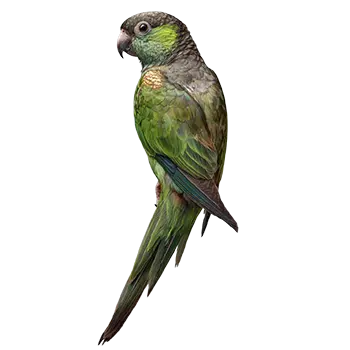

The Bronze Winged Parakeet, Brotogeris chrysoptera, is a compact and active South American parrot whose dietary requirements reflect both its small body size and its remarkably high metabolic rate. Weighing roughly sixty to sixty-five grams, this species burns through calories quickly and cannot tolerate extended periods without food the way a larger parrot might. A diet that delivers concentrated nutrition in appropriately sized portions is essential for maintaining energy levels, supporting feather condition, and sustaining the long-term health of a bird that can live well beyond two decades in captivity.
In the wild, Bronze Winged Parakeets feed on a diverse array of fruits, flowers, seeds, and nectar gathered from tropical forest canopies. This natural diet is high in simple sugars from fruit and nectar, moderate in fat from seeds, and supplemented by the micronutrients found in fresh plant material. Replicating this balance in captivity requires moving well beyond a bag of seed mix. The goal is a combination of formulated pellets, daily fresh produce, and carefully managed treats that together approximate the nutritional breadth of the wild diet without its seasonal inconsistency.
Protein requirements for this species are moderate, typically met by a quality pellet supplemented with small amounts of cooked legumes or sprouted seeds. Excessive protein can stress the kidneys over time, so high-protein foods like egg should be offered only occasionally, such as during molting periods when feather production increases amino acid demand. Fat intake deserves similar attention. While Bronze Wings are active birds that burn fat efficiently, the sedentary stretches inherent to cage life mean that high-fat seeds like sunflower and safflower should be treated as supplements rather than staples.
Vitamin A is a nutrient of particular importance for Brotogeris species. Deficiency is common in captive birds fed primarily on seeds, and it manifests as respiratory vulnerability, dull plumage, and skin problems around the nares and feet. Because seeds are naturally low in vitamin A precursors, the diet must include regular servings of beta-carotene-rich vegetables and fruits, or rely on a pellet formulation that provides adequate levels. Calcium and phosphorus balance also warrants attention, particularly for breeding pairs or young growing birds, where skeletal development depends on consistent mineral availability.