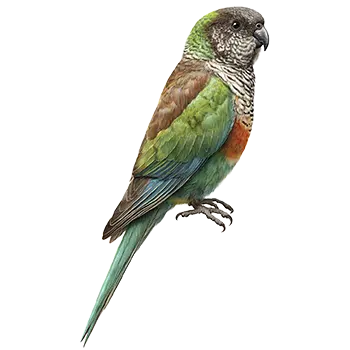

Nutritional Needs

Bourke's Parakeets are native to the arid interior of Australia, where they forage on grasses, seeds, and small herbaceous plants. Their metabolism is adapted to a relatively low-fat, seed-based diet supplemented with fresh greens and occasional fruit. Understanding this natural dietary profile is essential when selecting commercial food products, because a diet that strays too far from these foundations can lead to obesity, fatty liver disease, or nutritional deficiencies.

Calcium and vitamin A are two nutrients that deserve special attention with Bourke's Parakeets. Hens in particular need reliable calcium sources to support egg production, even if breeding is not intended, because chronic calcium depletion can cause egg binding and weakened bones. Vitamin A deficiency is one of the most common nutritional problems in captive parakeets and manifests as respiratory issues, poor feather quality, and compromised immunity.

A balanced diet for a Bourke's Parakeet typically consists of roughly 50–60 percent high-quality seed or pellet base, 30–40 percent fresh vegetables and leafy greens, and a small percentage of fruits and supplementary items. This ratio can shift slightly depending on the bird's age, activity level, and breeding status, but the principle remains the same: variety and balance are more important than any single product.

Because Bourke's Parakeets are crepuscular — most active at dawn and dusk — their feeding schedule should align with these natural activity peaks. Offering fresh food during these windows encourages natural foraging behavior and helps ensure the bird actually consumes the nutritious items rather than picking through them for preferred seeds.

What to Look For in Seed & Pellet Mixes

When evaluating seed mixes for Bourke's Parakeets, look for blends designed for small parakeets or grass parakeets specifically. These mixes typically feature a base of canary seed, white millet, and Japanese millet with smaller proportions of oat groats and a modest amount of oil seeds like niger or flax. Avoid mixes heavy in sunflower seeds, safflower, or peanuts, as these are too high in fat for a species adapted to lean foraging.

Pellet diets offer the advantage of consistent nutrition in every bite, eliminating the tendency birds have to selectively eat only their favorite seeds. If you choose to incorporate pellets, look for small-sized formulations appropriate for parakeet beaks. The ingredient list should feature whole grains, natural colorings, and minimal added sugars. Artificially dyed pellets may contain unnecessary chemicals, and many avian veterinarians recommend naturally colored alternatives.

Transitioning a Bourke's Parakeet from an all-seed diet to one that includes pellets requires patience. Abrupt dietary changes can cause stress and food refusal. A gradual mixing approach — starting with a small percentage of pellets blended into the familiar seed mix and slowly increasing the ratio over several weeks — tends to produce the best results. Monitoring the bird's weight during the transition helps ensure adequate calorie intake.

Seed freshness matters more than many keepers realize. Stale or improperly stored seed loses nutritional value and can harbor mold or bacteria. Purchase from suppliers with high turnover, store seed in airtight containers in a cool and dry location, and perform a simple germination test periodically — if fewer than half the seeds sprout when placed on a damp paper towel, the batch is too old to offer meaningful nutrition.

Fresh Foods & Vegetables

Dark leafy greens are the cornerstone of the fresh food component for Bourke's Parakeets. Offerings like dandelion greens, kale, Swiss chard, and spinach provide essential vitamins and minerals that seed alone cannot deliver. Rotating greens throughout the week prevents over-reliance on any single source and exposes the bird to a broader nutrient profile. Greens should be washed thoroughly to remove pesticide residues and offered in manageable pieces clipped to the cage side or placed in a shallow dish.

Vegetables such as grated carrot, finely chopped broccoli florets, sweet potato (cooked and cooled), and snap peas add variety and important carotenoids. Bourke's Parakeets can be initially hesitant about unfamiliar foods, so persistence is key. Offering new items alongside established favorites, or presenting them in different forms — shredded, chopped, or hung as whole pieces — can encourage exploration.

Fruits should be treated as an occasional supplement rather than a staple. Small amounts of apple (seeds removed), berries, melon, or mango can be offered a few times per week. The natural sugars in fruit can contribute to weight gain if overfed, and the high water content can cause loose droppings when consumed in large quantities.

Sprouted seeds bridge the gap between dry seed and fresh produce. The germination process converts stored starches into more bioavailable nutrients and increases vitamin content significantly. Sprouting at home is straightforward and inexpensive, requiring only clean water, a jar or sprouting tray, and 24–48 hours of rinsing cycles. Sprouted seeds are particularly valuable for breeding pairs or birds recovering from illness.

Treats & Supplements

Millet spray is the classic parakeet treat and works well for Bourke's Parakeets, both as a reward and as an enrichment item when clipped inside the cage. Because millet is calorie-dense, it should be offered in moderation — a small sprig a few times per week is sufficient. Treat sticks coated in honey and seeds are widely available but tend to be high in sugar and should be used sparingly if at all.

Calcium supplementation is non-negotiable for captive Bourke's Parakeets. A cuttlebone or mineral block should be available in the cage at all times. These items also serve a secondary purpose by helping the bird maintain proper beak condition through gnawing. Powdered calcium supplements can be dusted lightly over fresh foods for birds that ignore cuttlebone, though most Bourke's Parakeets take to cuttlebone readily.

A full-spectrum avian vitamin supplement can help fill nutritional gaps, especially for birds on primarily seed-based diets. Water-soluble vitamins are convenient but can alter water taste and promote bacterial growth in the water dish if not changed frequently. Powder supplements dusted onto moist vegetables tend to be a more reliable delivery method. Consult an avian veterinarian before starting any supplement regimen, as over-supplementation of fat-soluble vitamins like A and D can cause toxicity.

Probiotics formulated for birds are gaining popularity and may support digestive health, particularly after antibiotic treatment or during periods of stress such as rehoming or travel. Look for products specifically designed for avian species, as mammalian probiotics may contain strains that are ineffective or inappropriate for a bird's digestive system.

Foods to Avoid

Several common household foods are toxic to Bourke's Parakeets and must be kept completely out of reach. Avocado tops the list — all parts of the fruit, including the flesh, skin, and pit, contain persin, which can cause cardiac distress and death in birds. Chocolate and caffeine are similarly dangerous, as theobromine and caffeine are cardiotoxic to avian species even in small amounts.

Onions and garlic, whether raw, cooked, or powdered, can cause hemolytic anemia in birds by damaging red blood cells. This includes foods seasoned with onion or garlic powder, which keepers sometimes overlook when sharing table scraps. Apple seeds, cherry pits, and the seeds or pits of other stone fruits contain cyanogenic compounds and should always be removed before offering any fruit.

High-salt and high-sugar processed foods pose serious risks even when they are not overtly toxic. A bird's small body mass means that quantities of salt or sugar that would be negligible for a human can overwhelm avian kidneys or disrupt metabolic balance. Crackers, chips, bread, and other processed snacks should not be offered regardless of how eagerly the bird may beg for them.

Dairy products are poorly tolerated by most birds because they lack the enzyme lactase needed to digest lactose. While tiny amounts of hard cheese are unlikely to cause immediate harm, dairy offers no nutritional benefit to parakeets and can cause digestive upset. Stick to species-appropriate foods and purpose-made avian treats to avoid unnecessary risk.

Feeding Schedule & Portions

Bourke's Parakeets do best with a consistent feeding schedule that aligns with their crepuscular activity pattern. Offering the primary seed or pellet portion in the early morning and refreshing it in the late afternoon takes advantage of the periods when the bird is most inclined to eat. Fresh foods should be introduced during the morning feeding and removed within a few hours to prevent spoilage, particularly in warm environments.

Portion control helps prevent obesity, which is a common problem in captive parakeets with unlimited access to high-fat seeds. A general guideline is approximately one to two tablespoons of seed or pellet mix per bird per day, adjusted based on body condition and activity level. Weighing your bird weekly on a small gram scale is the most reliable way to monitor whether portions are appropriate — subtle weight changes are difficult to detect visually, especially under feathers.

Water must be fresh and available at all times. Change water at least twice daily, and more often if the bird tends to dunk food or droppings contaminate the dish. Covered or tube-style water dispensers can help keep water cleaner between changes. Some keepers offer a shallow bathing dish separately from the drinking water, which Bourke's Parakeets may use occasionally, particularly in dry indoor environments.

For households with multiple Bourke's Parakeets, ensure that feeding stations allow all birds to eat without competition. Dominant individuals can monopolize a single food dish, leaving subordinate birds underfed. Providing two or more feeding stations spaced apart in the cage encourages equitable access and reduces stress-related behavioral issues.

Choosing Quality Food Products

The bird food market is crowded with options ranging from budget bulk seed to premium formulated diets, and price does not always correlate with quality. Reading ingredient lists carefully is more informative than relying on packaging claims. A quality seed mix lists specific seed types rather than vague terms like "mixed grains" and avoids fillers, artificial preservatives, and excessive sunflower seed content.

Packaging and storage conditions affect product quality significantly. Seed sold in clear bins exposed to light and fluctuating temperatures degrades faster than vacuum-sealed or nitrogen-flushed packaging. Look for products with clear expiration dates and intact seals. Once opened, transfer seed to an airtight container and store in a cool, dark location to maximize shelf life and nutritional value.

Organic and non-GMO labels on bird food carry the same general meanings as they do for human food products, but their practical significance depends on the specific ingredients and sourcing. Organic certification may reduce pesticide exposure, which is a legitimate concern for small animals with fast metabolisms. However, organic labeling alone does not guarantee nutritional completeness or freshness, so it should be considered alongside other quality indicators.

When evaluating pellet products, compare the guaranteed analysis panels across brands. Protein content for a small parakeet diet typically falls in the 12–16 percent range, with fat content ideally below 5 percent. Fiber, calcium, and vitamin levels should also be listed. Avoid products where sugar or molasses appears high on the ingredient list, as these are used to improve palatability at the expense of nutritional integrity. Consulting your avian veterinarian for product recommendations tailored to your specific bird's health status is always a sound approach.

Always consult a qualified professional before making any health-related decisions. This content is provided for informational reference only and should not replace professional guidance specific to your animal.