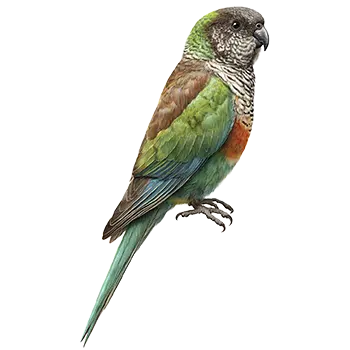

The choice between open dishes and enclosed hoppers depends on your bird's habits and your maintenance routine. Open ceramic or stainless steel dishes are easy to clean and allow you to monitor food consumption at a glance, but they are also susceptible to contamination from droppings, discarded seed husks, and bathing splashes. Stainless steel is the preferred material for daily-use dishes because it resists bacterial buildup, does not absorb odors, and withstands repeated sterilization in hot water or a dishwasher.
Enclosed seed hoppers reduce contamination and waste by dispensing seed from a covered reservoir as the bird feeds from a small trough at the base. However, hoppers can create a false sense of security — the trough may appear full while actually containing only empty husks, leading to a dangerous situation where the bird has no accessible food. If you use a hopper, check and blow away husks from the feeding trough at least twice daily.
Water bottles with ball-valve spouts keep water cleaner than open dishes and prevent the bird from bathing in its drinking water. Not all Bourke's Parakeets take readily to water bottles, so a transition period may be necessary, during which both a bottle and an open dish are available. Once the bird is reliably using the bottle, the open water dish can be reserved for bathing use.
Provide at least two feeding stations per bird to prevent food guarding in multi-bird setups and to offer dietary variety — one station for the primary seed or pellet mix and another for fresh foods. Dishes should be positioned away from perches and play areas to minimize contamination, and they should be washed with hot water and mild soap daily. Avoid placing food or water directly beneath any perch.