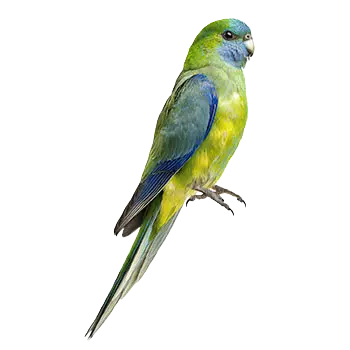

A precision digital gram scale is arguably the single most valuable piece of technology a Blue Winged Parakeet owner can own. Body weight is the earliest and most reliable indicator of health change in parrots, and the Blue Winged Parakeet's relatively small body mass means that clinically significant weight loss can occur rapidly, often before any behavioral signs become apparent. By the time a parakeet visibly fluffs its feathers, reduces its activity, or changes its eating behavior, it may have already lost ten percent or more of its body weight, a degree of loss that in birds can signal serious illness requiring immediate veterinary intervention.
The ideal scale for weighing a medium-sized parakeet reads in one-gram increments and has a capacity of at least two thousand grams to accommodate the bird plus a perch or container. Kitchen scales meeting these specifications are widely available and inexpensive. A T-perch mounted on the scale platform, or a lightweight container such as a small plastic tub placed on the platform, gives the bird a stable surface to stand on while being weighed. Taring the scale with the perch or container in place before adding the bird ensures accurate body-weight readings.
Establishing a baseline weight and tracking trends over time is far more informative than any single measurement. Weighing the Blue Winged Parakeet at the same time each day, ideally first thing in the morning before feeding, produces the most consistent data by eliminating the variability introduced by crop contents and hydration fluctuations throughout the day. A healthy adult Blue Winged Parakeet typically weighs between ninety and one hundred twenty grams, though individual baselines vary. Recording daily weights in a simple spreadsheet or a dedicated pet health tracking application allows the owner to spot downward or upward trends that might not be obvious from day-to-day observation.
Weight data becomes especially critical during dietary transitions, molt periods, breeding condition, and recovery from illness. A bird transitioning from a seed-based diet to pellets may lose weight initially as it adjusts to the new food, and daily weighing ensures the loss stays within a safe range. During a heavy molt, increased metabolic demands can cause temporary weight dips that are normal in context but would be concerning without the baseline data to compare against. Sharing weight logs with an avian veterinarian provides objective data that supports more accurate clinical assessment during wellness checks and sick visits.