
Nutritional Needs

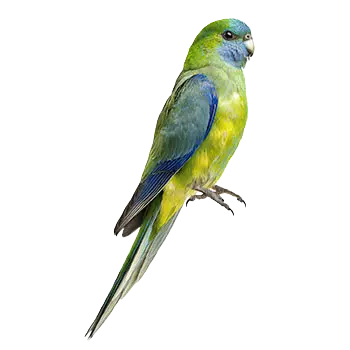
The Blue Winged Parakeet, also known as the Malabar Parakeet, is a medium-sized Psittacula species endemic to the evergreen and semi-evergreen forests of the Western Ghats in southern India. In the wild, this species feeds on a varied diet of fruits, seeds, blossoms, leaf buds, and nectar drawn from the lush montane canopy it inhabits. Replicating the breadth and nutrient density of this natural diet in captivity is the central challenge of feeding this bird well, and it requires a deliberate approach that goes beyond simply filling a food dish.

Protein requirements for the Blue Winged Parakeet are moderate compared to larger Psittacula species. A diet delivering roughly twelve to fourteen percent protein supports feather maintenance, muscle condition, and immune function without placing undue stress on the kidneys. During the breeding season or a heavy molt, protein needs rise, and the addition of cooked legumes, sprouted seeds, or a small amount of egg food can help meet that temporary increase. Outside those periods, a quality pellet paired with fresh vegetables provides sufficient protein for most individuals.

Fat content should be carefully managed. Wild Blue Winged Parakeets expend significant energy flying through dense forest habitat, but captive birds are far less active and prone to weight gain if offered high-fat seeds without restraint. A diet where fat constitutes no more than four to six percent of total intake is appropriate for a healthy adult at maintenance. Nuts and oily seeds should be treated as occasional enrichment items rather than dietary staples, with daily fat intake controlled primarily through pellet selection and limited seed offerings.

Vitamins A and D are particularly relevant for this species. The dense forest habitat of the wild population provides access to a wide range of beta-carotene-rich fruits and flowers, and captive diets that lack colorful fresh foods frequently lead to subclinical vitamin A deficiency over time. Vitamin D synthesis depends on exposure to unfiltered sunlight or full-spectrum lighting, which many indoor-kept parakeets do not receive in adequate amounts. Both of these nutritional gaps can be addressed through diet and husbandry adjustments, but they require awareness and intentional planning.

What to Look For

Selecting the right commercial diet for a Blue Winged Parakeet starts with understanding ingredient labels. A high-quality pellet will list whole grains, legumes, or dried vegetables as its primary ingredients rather than ground corn, soy meal, or sugar. Artificial colors and flavors are marketing additions that provide no benefit to the bird and may contribute to selective feeding behavior, so naturally colored formulations are preferable. Preservatives should be limited to mixed tocopherols or similar food-grade antioxidants rather than synthetic compounds like ethoxyquin or BHA.

Pellet size is an important practical consideration. The Blue Winged Parakeet has a moderately sized bill suited to manipulating small to medium food items, so pellets designed for small to medium parrots are generally the best fit. Oversized pellets intended for macaws or cockatoos may be wasteful, as the bird will crumble them apart and discard much of the material. Undersized pellets designed for budgerigars or lovebirds, on the other hand, may be swallowed without adequate mandibulation and do not provide the beak exercise that a properly sized pellet offers.

When evaluating seed mixes for supplemental use, look for blends that include a variety of small seeds such as canary grass seed, millet varieties, safflower, and small quantities of hemp or flax. Avoid mixes dominated by sunflower seeds or peanuts, which skew the fat content sharply upward and encourage selective feeding. Some premium mixes incorporate dried herbs, dried vegetables, or dehydrated fruit pieces, which add nutritional complexity without excessive fat or sugar. The freshness of seed products also matters: rancid seeds lose nutritional value and can harbor mold spores, so purchasing from suppliers with high turnover and storing seeds in airtight containers in a cool location is advisable.

For fresh foods, prioritize produce that is organically grown or thoroughly washed to remove pesticide residues. Birds have small body masses relative to humans, and their sensitivity to chemical residues is proportionally greater. Dark leafy greens, orange and yellow vegetables, and low-sugar fruits form the foundation of a good fresh food rotation. Variety is not just nutritionally beneficial but behaviorally important, as it encourages the parakeet to engage with its food rather than habituating to a monotonous offering.

Recommended Pellet Types

Formulated pellets should constitute approximately fifty to sixty percent of the Blue Winged Parakeet's daily food intake by volume. Among the available formulation approaches, cold-pressed pellets tend to retain higher levels of heat-sensitive vitamins and enzymes than baked or extruded alternatives, though well-designed extruded pellets compensate for processing losses through post-extrusion fortification. The best choice depends on the individual bird's acceptance and the overall formulation quality rather than the manufacturing method alone.

Pellets formulated for small to medium parrots or for Asiatic parakeet species are the most appropriate starting point. These formulations typically calibrate their protein, fat, and calcium ratios for birds in the size and metabolic range of Psittacula species, which differs from the ratios optimized for New World parrots or Australian species. If a species-specific formulation is not available, a general small-parrot pellet with a protein content in the twelve to fourteen percent range and fat below six percent is a reasonable substitute.

Some pellet brands incorporate natural plant pigments such as spirulina, beet powder, or turmeric to add color without artificial dyes. These ingredients may offer minor nutritional benefits in addition to their coloring function, and they are generally well-tolerated. Pellets that include added probiotics or digestive enzymes can support gut health, which is particularly useful during dietary transitions or after courses of antibiotic treatment that disrupt the normal intestinal flora.

Transitioning a seed-habituated Blue Winged Parakeet to a pelleted diet requires patience. The process typically takes several weeks and involves gradually reducing the proportion of seed in the mix while increasing the pellet component. Weighing the bird regularly during the transition ensures that it is maintaining body condition. Abrupt dietary changes should be avoided, as they can cause stress, food refusal, and dangerous weight loss in a species that has relatively limited fat reserves compared to larger parrots.

Fresh Foods and Sprouted Seeds

Fresh foods bring nutritional depth and behavioral enrichment that no commercial product can fully replace. For the Blue Winged Parakeet, a daily fresh offering should include at least three to four different items, rotated over the course of a week to ensure broad nutrient coverage. Dark leafy greens such as kale, Swiss chard, dandelion greens, and mustard greens provide calcium, iron, and vitamin K. Orange vegetables like carrots, sweet potato, and butternut squash deliver beta-carotene, which the bird converts to vitamin A as needed.

Berries and tropical fruits reflect the natural dietary preferences of this species and are typically accepted with enthusiasm. Blueberries, raspberries, pomegranate arils, papaya, and mango can be offered in small quantities several times per week. The sugar content of fruit means it should not dominate the fresh food portion of the diet, but it serves as a valuable source of antioxidants and trace nutrients. Offering whole berries or small chunks encourages the bird to manipulate its food, adding a foraging dimension to mealtime.

Sprouted seeds represent one of the most nutritionally valuable foods available for parakeets. The germination process converts stored starches into more digestible sugars, dramatically increases vitamin content, and reduces the fat percentage of the seed. A sprouting blend of mung beans, lentils, wheat berries, sunflower seeds, and millet can be prepared at home using a jar or tray method, with the sprouts ready to feed within two to four days depending on ambient temperature. Strict hygiene during the sprouting process is critical, as the warm, moist environment that promotes germination also promotes bacterial growth. Rinse sprouts thoroughly at least twice daily and discard any batch that develops an off odor or slimy texture.

Cooked grain and legume mixes offer another whole-food option. Quinoa, brown rice, barley, and cooked lentils or chickpeas can be prepared in bulk and frozen in daily portions. These foods provide complex carbohydrates and plant-based protein in a form that most Blue Winged Parakeets accept readily, especially when mixed with finely chopped vegetables. Avoid adding salt, oil, or seasoning to any food prepared for the bird.

Treats and Supplements

Treats should serve a functional purpose beyond simple indulgence. For the Blue Winged Parakeet, small pieces of walnut, almond, or pine nut work well as training reinforcers and provide healthy fats and minerals in controlled amounts. Because this species is not as large-bodied as many parrots, treat portions should be correspondingly small, with a single almond or half-walnut representing a generous daily treat allotment. Seed sticks and commercial treat bars are widely available but often contain honey, sugar, or artificial binders that add empty calories and encourage selective eating.

Calcium supplementation is worth considering for any captive parakeet, though the need is less acute in Blue Winged Parakeets than in African Grey Parrots. A cuttlebone or mineral block mounted in the enclosure provides a self-regulating calcium source that the bird can access as needed. Some individuals use these items frequently while others largely ignore them, so monitoring actual intake and adjusting dietary calcium accordingly is more effective than relying on a cuttlebone alone. Liquid calcium supplements added to soft foods offer a more measurable delivery method when a veterinarian identifies a specific calcium shortfall.

Vitamin supplementation should be approached conservatively. A Blue Winged Parakeet eating a balanced diet of pellets, varied fresh foods, and occasional sprouted seeds generally receives adequate vitamins without additional supplementation. Over-supplementation with fat-soluble vitamins, particularly vitamins A and D, can cause toxicity that is more dangerous than the deficiency it was intended to prevent. Water-soluble vitamin supplements are safer in terms of toxicity risk but are often degraded by light and water chemistry, making their actual delivery unreliable when added to drinking water.

Probiotics formulated for avian species can support digestive health, particularly during periods of stress such as veterinary visits, environmental changes, or dietary transitions. These products are typically available as powders that can be mixed into soft foods. While the clinical evidence for avian-specific probiotic strains is still emerging, many experienced aviculturists and avian veterinarians consider them a reasonable addition to a comprehensive nutritional program.

Foods to Avoid

A number of common household foods are toxic to the Blue Winged Parakeet and must be excluded entirely from the diet. Avocado tops the list, as all parts of the fruit contain persin, a fungicidal toxin that causes respiratory distress, myocardial damage, and death in birds, often within hours of ingestion. There is no safe amount of avocado for any parrot species, and care should be taken to ensure the bird cannot access discarded avocado skins or pits in kitchen waste.

Chocolate and caffeine-containing foods and beverages are equally dangerous. Theobromine and caffeine are methylxanthine compounds that birds metabolize far more slowly than mammals, leading to cardiac arrhythmia, hyperactivity, tremors, and potential death even from small exposures. Coffee, tea, energy drinks, and all forms of chocolate, including cocoa powder, should be kept well away from the bird.

Onions, garlic, shallots, and chives contain organosulfur compounds that can cause oxidative damage to avian red blood cells, resulting in Heinz body anemia with repeated or large exposures. This includes raw, cooked, and powdered forms of these vegetables, so any food shared from the human table should be checked for these ingredients. Many prepared sauces, soups, and seasoning blends contain onion or garlic powder as standard ingredients.

Apple seeds, cherry pits, peach pits, and apricot kernels contain amygdalin, a cyanogenic glycoside that releases hydrogen cyanide during digestion. While a single apple seed is unlikely to harm a medium-sized parakeet, the prudent practice is to remove all seeds and pits before offering fruit. High-salt foods, sugary processed snacks, and alcohol are all harmful and should never be accessible to the bird. Raw dried beans contain phytohemagglutinin, a lectin that is toxic to birds and must be neutralized by thorough cooking before any legume is offered.

Feeding Schedule and Portion Control

A structured feeding schedule supports both the metabolic health and the behavioral wellbeing of the Blue Winged Parakeet. The most effective approach for most households is to offer fresh foods in the morning, when the bird is naturally most active and hungry, and to maintain a dish of pellets available throughout the day as the baseline caloric source. Any uneaten fresh food should be removed within three to four hours to prevent bacterial growth, particularly in warm ambient conditions.

Portion sizes should reflect the bird's body weight and activity level. An adult Blue Winged Parakeet at healthy weight typically consumes approximately one and a half to two tablespoons of pellets and a similar volume of fresh food per day. These figures are guidelines rather than rigid prescriptions, and individual needs vary based on age, reproductive status, ambient temperature, and how much time the bird spends in active flight or play. Regular weigh-ins, ideally weekly on a gram-scale, provide the most reliable indicator of whether the diet is appropriately calibrated.

Enrichment feeding strategies add behavioral value to mealtimes. Foraging opportunities such as food hidden in paper cups, wrapped in unbleached paper, or threaded onto stainless steel skewers encourage the bird to work for its food, reducing boredom and supporting the natural foraging drive that this species expresses strongly in the wild. Scattering a small amount of seed or dried herb mix across the cage floor or into a foraging tray can occupy the bird for extended periods and provides exercise that a simple food bowl does not.

Water should be fresh and available at all times, changed at least twice daily to prevent contamination from food debris, droppings, or bacterial growth. Many parakeets enjoy bathing in their water dishes, which accelerates contamination and reinforces the need for frequent changes. A separate bathing dish or scheduled misting sessions can help redirect bathing behavior away from the drinking supply. Vitamin or medication additives in the water should only be used under veterinary direction, as they alter the taste and may discourage adequate water intake.

Always consult a qualified professional before making any health-related decisions. This content is provided for informational reference only and should not replace professional guidance specific to your animal.