
Enclosure Size Requirements

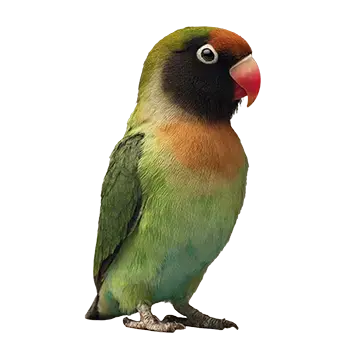
Black-Cheeked Lovebirds are among the most physically active small parrots, and their enclosure must accommodate near-constant movement throughout the day. Despite measuring only five to five and a half inches in length, these birds fly, climb, and hop with an intensity that belies their compact size. The absolute minimum cage dimensions for a single lovebird are twenty-four inches long, eighteen inches deep, and twenty-four inches tall, but these minimums should be understood as a floor, not a target. A cage measuring thirty-six inches or longer in the horizontal dimension allows the bird to make short flights between perches, which is essential for cardiovascular health and muscle maintenance.

For a bonded pair of Black-Cheeked Lovebirds, the space requirement increases substantially. Two birds housed together need a cage at least thirty-six inches long, twenty-four inches deep, and thirty inches tall as a starting point. Lovebirds are social but also territorial within their enclosure, and insufficient space is a common trigger for aggressive behavior between cage mates. Even closely bonded pairs benefit from enough room to retreat to separate perches when they need personal space. Many experienced keepers recommend flight cages or small indoor aviaries for pairs, as these larger structures dramatically reduce stress-related behaviors.

Horizontal space takes priority over vertical space for lovebirds. While they do climb and will use the full height of a tall cage, their natural flight pattern is level rather than vertical, and they derive more exercise value from a long cage that permits horizontal flight than from a tall, narrow one. This is an important distinction when shopping, because many visually impressive cages emphasize height over length. A cage that is forty-eight inches long and twenty-four inches tall serves a lovebird far better than one that is twenty-four inches long and forty-eight inches tall.

Outdoor aviaries offer the ultimate housing experience for Black-Cheeked Lovebirds in appropriate climates. A walk-in aviary measuring at least six feet in length permits true flight and allows the keeper to landscape the interior with safe plants, natural branches, and ground-foraging areas. However, outdoor housing demands predator-proof construction, double-door entry systems to prevent escapes, and climate control considerations. Black-Cheeked Lovebirds originate from a subtropical region with warm days and mild nights, and they are not cold-hardy below approximately fifty degrees Fahrenheit without acclimation and shelter.

Bar Spacing and Cage Construction

Bar spacing is one of the most critical safety specifications when selecting a cage for a Black-Cheeked Lovebird. The recommended bar spacing for this species is one-half inch, which prevents the bird from wedging its head between the bars while still allowing it to climb comfortably using its beak and feet. Cages with three-quarter-inch or wider spacing, commonly sold for cockatiels and conures, are dangerous for lovebirds because the bird can push its head through the gap and become trapped, potentially resulting in strangulation or severe neck injury. Always verify bar spacing with a ruler rather than relying on product descriptions, which are sometimes inaccurate.

Cage material determines both durability and safety. Powder-coated steel and wrought iron are the standard materials for quality bird cages, and both are safe when the coating is intact. Stainless steel is the premium option, offering complete corrosion resistance and eliminating any concern about coating ingestion, though it comes at a significantly higher price point. Cages made from zinc-coated wire, sometimes called galvanized wire, pose a serious health risk because lovebirds chew on cage bars constantly, and ingested zinc causes heavy metal poisoning that damages the kidneys, liver, and gastrointestinal tract. If uncertain about a cage's coating, a zinc test kit designed for bird cage evaluation provides a definitive answer.

Weld quality and door security deserve close inspection before purchase. Lovebirds are surprisingly strong for their size and remarkably persistent when working at a cage opening. Doors should latch securely with mechanisms that the bird cannot manipulate, and any sliding doors should be fitted with clips or locks to prevent the bird from lifting them open. Interior welds should be smooth with no sharp edges or burrs that could catch a toe or a wing. Run your fingers along the interior weld lines to check for rough spots that would need filing before the cage is safe for occupancy.

The cage bottom should feature a removable metal grate positioned above a pull-out tray. The grate serves a hygiene function by keeping the bird away from its own droppings and discarded food that accumulate on the tray below. The tray itself should be deep enough to contain substrate and debris without spilling when pulled out for cleaning. Some cages include a seed guard, a raised lip or skirt around the lower portion of the cage that catches scattered food and feather debris. This feature significantly reduces the daily mess around the cage and is worth prioritizing during the selection process.

Perch Selection and Placement

Perches are the most frequently contacted surface in a lovebird's life, and their selection directly affects foot health, joint comfort, and overall wellbeing. Natural wood perches of varying diameters should form the foundation of the perch arrangement. Branches from safe tree species including manzanita, java wood, dragonwood, and untreated apple or pear wood provide irregular surfaces that exercise the foot muscles and prevent the pressure sores that develop from constant contact with uniform-diameter dowels. The ideal perch diameter for a Black-Cheeked Lovebird ranges from three-eighths to three-quarters of an inch, and a cage should include at least three perches spanning this range.

Placement strategy matters as much as perch selection. Perches should be positioned at different heights and angles within the cage, creating multiple levels that the bird can fly or hop between. The highest perch typically becomes the preferred sleeping spot and should be positioned far enough from the cage ceiling that the bird's head has several inches of clearance when perched. Feeding stations should be accessible from a mid-level perch without requiring the bird to eat while clinging awkwardly to the cage bars. Avoid placing perches directly above food or water dishes, as droppings will contaminate those resources.

Rope perches made from untreated cotton or sisal offer a softer gripping surface that many lovebirds enjoy, particularly as sleeping perches. However, rope perches require regular inspection because frayed fibers can entangle toes and create a strangulation hazard. Trim any loose threads immediately, and replace rope perches at the first sign of significant wear. Braided bungee-style rope perches that swing when the bird lands provide an additional layer of physical engagement, as the bird must balance and adjust its grip constantly.

Concrete or mineral conditioning perches serve a specific functional role: keeping the nails and beak naturally worn to reduce the frequency of manual grooming. These hard perches should be placed in a secondary location, such as near a food station where the bird spends time standing but not sleeping. Using a concrete perch as the primary sleeping perch can cause foot soreness and pressure injuries over time. One conditioning perch per cage is sufficient, and it should never be the only perch option available.

Interior Layout and Furnishing

The interior arrangement of a Black-Cheeked Lovebird's cage determines how effectively the bird can exercise, forage, rest, and engage with its environment. A well-furnished cage strikes a balance between providing stimulation and maintaining enough open space for the bird to move freely between perches. Overcrowding the interior with toys, dishes, and accessories restricts flight paths and can create stress-inducing clutter. As a general guideline, at least one-third of the cage volume should remain unobstructed to allow comfortable movement.

Food and water stations should be positioned at perch height along the cage walls, not on the cage floor. Floor-mounted dishes accumulate droppings and debris rapidly, creating a hygiene problem that requires constant attention. Stainless steel coop cups that attach to the cage bars with a bracket or hook are the most practical option, as they are easy to remove for cleaning, resist bacterial buildup, and cannot be tipped over by an active bird. A minimum of three stations is recommended: one for pellets, one for fresh food, and one for water. Keeping these at different locations within the cage encourages movement and prevents one dominant bird from guarding all resources in a multi-bird setup.

A sleeping hut or enclosed roosting area is a subject of ongoing debate in lovebird keeping. In the wild, Agapornis nigrigenis roosts in tree cavities and crevices, and many captive lovebirds show a strong preference for enclosed sleeping spots. Small woven grass huts, coconut shell hideaways, or commercially available bird tents can satisfy this instinct and reduce nighttime stress. However, enclosed huts can also trigger hormonal behavior, territorial aggression around the hut entrance, and chronic egg laying in single hens. The decision to include or exclude a sleeping enclosure should be based on the individual bird's behavior, with removal recommended if nesting behavior or aggression escalates.

Cage liners simplify daily cleaning and help owners monitor droppings for signs of illness. Plain newspaper, butcher paper, or purpose-made cage liner paper are all safe and functional choices. Avoid corncob bedding, walnut shell substrate, and cedar or pine shavings, as these materials can harbor mold spores, produce aromatic oils that irritate avian respiratory systems, or be ingested during foraging behavior. Whatever liner is used, it should be changed daily to maintain hygiene and allow accurate observation of dropping quantity, color, and consistency, all of which are early indicators of health changes.

Cage Placement in the Home

Where a cage sits within the home profoundly affects a Black-Cheeked Lovebird's sense of security, social engagement, and physical health. The ideal location provides natural light exposure without direct sunlight falling on the cage for extended periods, as lovebirds can overheat quickly in direct sun with no option to move to shade. A room with windows that allow ambient daylight supports the bird's circadian rhythm and vitamin D metabolism, though supplemental full-spectrum lighting is recommended in rooms with limited natural light or during winter months at higher latitudes.

Social placement is important for a species as gregarious as the Black-Cheeked Lovebird. The cage should be in a room where the family spends significant waking time, such as a living room or home office, so the bird can observe and participate in household activity. However, the cage should be positioned with at least one side against a wall or in a corner, which provides a visual barrier on one or two sides and reduces the feeling of vulnerability that comes from being exposed on all sides. A bird that feels constantly exposed may become chronically anxious, manifesting as feather plucking, excessive screaming, or aggression.

The kitchen is never an appropriate location for a bird cage. Polytetrafluoroethylene coatings on nonstick cookware, self-cleaning oven cycles, and certain aerosol cooking sprays release fumes that are acutely toxic to birds, causing rapid respiratory failure even at concentrations imperceptible to humans. Smoke, grease, steam, and temperature fluctuations compound the risk. Bathrooms are similarly unsuitable due to humidity extremes, aerosol products, and the presence of open water. The cage should also be kept away from drafty windows, exterior doors, and heating or cooling vents, all of which create temperature instability.

Elevation matters for the bird's psychological comfort. A cage placed on the floor exposes the bird to foot traffic, pets, and small children at eye level, all of which register as threats. Positioning the cage so that the perches sit at or slightly above human chest height allows the bird to observe its surroundings from a position of relative security. Dedicated cage stands designed for the specific cage model are the most stable option, though a sturdy piece of furniture of appropriate height can also work provided it can bear the weight of a filled cage without wobbling.

Cleaning and Maintenance

A rigorous cleaning schedule is essential for preventing bacterial, fungal, and parasitic contamination in a Black-Cheeked Lovebird's enclosure. Daily tasks include removing and replacing cage liner paper, washing food and water dishes with hot soapy water, wiping down perches that have accumulated droppings, and removing any uneaten fresh food before it spoils. These daily tasks take only a few minutes when performed consistently but can escalate into a substantial undertaking if deferred, as dried droppings and food residue become progressively harder to remove.

A thorough weekly cleaning involves removing the bird to a safe holding cage or supervised out-of-cage area, then disassembling the cage grate, tray, and removable accessories for scrubbing. Hot water and a bird-safe disinfectant or a diluted white vinegar solution are effective cleaning agents. Avoid bleach unless it is thoroughly rinsed and the cage is allowed to dry completely before the bird returns, as residual chlorine fumes irritate the delicate avian respiratory system. Scrub perches, toys, and food stations weekly as well, replacing any items that show cracks, excessive wear, or embedded grime that cannot be cleaned.

Deep cleaning on a monthly basis should include a complete disassembly of the cage to access corners, hinge mechanisms, and bar junctions where organic debris accumulates out of sight. Soak removable components in hot water with a veterinary-grade avian disinfectant, scrub with a stiff brush, rinse thoroughly, and allow everything to air-dry completely before reassembly. Inspect the cage during this process for signs of rust, chipped powder coating, loose welds, or damaged door latches that could create safety hazards. Early detection of structural wear prevents accidents and extends the usable life of the cage.

Natural wood perches and toys have a finite lifespan and should be replaced rather than endlessly cleaned once they become deeply soiled or start to splinter. Wood is porous and eventually harbors bacteria and fungi that no amount of surface cleaning can eliminate. Establishing a rotation schedule, where a few items are replaced each month, maintains hygiene without the cost of replacing everything simultaneously. Stainless steel components, by contrast, are essentially permanent and only need regular cleaning to remain safe and functional.

Travel and Temporary Housing

A dedicated travel carrier is an essential piece of equipment for any Black-Cheeked Lovebird owner, needed for veterinary visits, emergency evacuations, and any situation requiring transport. The ideal travel carrier for a lovebird is a small, hard-sided carrier with secure ventilation panels, a sturdy door latch, and enough interior space for the bird to turn around and spread its wings without hitting the walls. Soft-sided carriers intended for small mammals are not appropriate because a lovebird's beak can quickly tear through fabric mesh, and the flexible walls provide no protection in the event of an impact.

Interior setup for travel should be minimal. A single low perch secured across the bottom third of the carrier gives the bird a stable gripping surface during transport. Food and water dishes designed for travel, with narrow openings or covered reservoirs that resist spilling, prevent the bird from arriving at its destination soaked and stressed. For short trips under an hour, water alone is sufficient. For longer journeys, a piece of millet spray and some leafy greens attached to the carrier wall provide food and hydration without the mess of loose pellets and water dishes.

Temperature management during travel deserves careful attention. A lovebird in a carrier should never be left in a parked vehicle, where temperatures can reach lethal levels within minutes even on mild days. During cold-weather transport, wrapping the carrier in a towel or placing it inside an insulated bag helps maintain stable warmth, while summer transport may require a cool pack wrapped in cloth placed near but not inside the carrier to prevent overheating. The bird should be shielded from direct airflow from car vents and protected from jostling by securing the carrier with a seatbelt or placing it on the floor behind a seat.

A hospital or quarantine cage is a worthwhile secondary enclosure for any lovebird owner to have on hand. This smaller, easily heated cage serves as a recovery space for sick birds, an isolation enclosure for newly acquired birds during a quarantine period, or a temporary home during cage cleaning. A simple setup with a single perch positioned low enough that a weakened bird can access it without climbing, easy-to-reach food and water stations, and a partial cover to reduce visual stress provides the quiet, warm environment that supports recovery. Keeping a hospital cage assembled and ready eliminates setup time during a health emergency when rapid response matters most.

Always consult a qualified professional before making any health-related decisions. This content is provided for informational reference only and should not replace professional guidance specific to your animal.