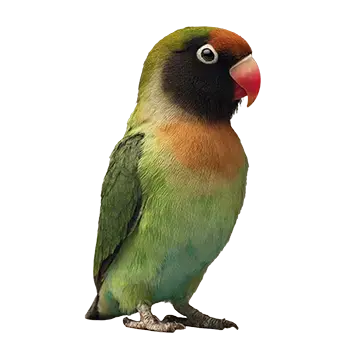

Nutritional Needs

Black-Cheeked Lovebirds are small but metabolically active parrots whose dietary requirements reflect both their African grassland origins and their compact physiology. In the wild, Agapornis nigrigenis forages on grass seeds, millet, sorghum, young leaf shoots, and seasonal fruits along the river corridors of southwestern Zambia. A captive diet must replicate this nutritional profile with a balance of carbohydrates for sustained energy, moderate protein for feather maintenance and muscle health, essential fatty acids, and a reliable spectrum of vitamins and minerals. Falling short in any of these categories leads to feather problems, reproductive failure, and a shortened lifespan.

Calcium and phosphorus balance is a recurring concern in lovebird nutrition. These minerals work in tandem to support bone density, eggshell formation in breeding hens, and proper nerve function. The ideal dietary calcium-to-phosphorus ratio for small parrots sits around two to one, and most quality pellet formulations target this range. However, birds that eat a disproportionate amount of seeds, which are high in phosphorus and low in calcium, can develop an inverted ratio that gradually weakens bones and stresses the parathyroid glands. Owners who observe soft or deformed beaks, splayed legs in chicks, or egg binding in hens should suspect a calcium imbalance before anything else.

Vitamin A plays a central role in maintaining the respiratory and digestive mucous membranes that serve as a lovebird's first line of defense against infection. Seed-heavy diets are notoriously low in vitamin A precursors, and deficiency manifests as blunted choanal papillae, white oral plaques, and recurrent sinus infections. Dark leafy greens and orange vegetables are the safest dietary sources of beta-carotene, which the bird converts to active vitamin A without the toxicity risk that comes with preformed retinol supplements.

Because Black-Cheeked Lovebirds weigh only forty to fifty grams, even small caloric excesses accumulate quickly. Obesity is a genuine risk for captive lovebirds given unlimited seed access, and it contributes to fatty liver disease, reduced fertility, and general lethargy. Dietary planning for this species should emphasize nutrient density over volume, ensuring that every gram of food the bird consumes delivers meaningful nutrition rather than empty calories.

What to Look For

Selecting the right food products for a Black-Cheeked Lovebird starts with understanding ingredient labels. A quality pellet should list whole grains, ground legumes, or dried vegetables as its primary ingredients rather than corn gluten meal, sugar, or unspecified grain byproducts. Artificial colors serve no nutritional purpose and can condition birds to sort food by appearance rather than taste, making future dietary transitions more difficult. Preservatives should be limited to natural antioxidants like mixed tocopherols or rosemary extract rather than synthetic compounds like ethoxyquin or BHA.

Pellet size is a practical consideration that directly affects consumption. Lovebirds are small parrots with correspondingly small beaks, and they handle pellets sized for cockatiels or small parakeets far more comfortably than those designed for conures or larger species. Oversized pellets are often ignored or crumbled into dust that settles uneaten at the bottom of the dish. Several manufacturers produce specific lovebird or small-parrot pellet sizes, and choosing the right scale reduces waste and encourages consistent intake.

For seed mixes intended as dietary supplements rather than staples, quality varies enormously across the market. The best mixes contain a variety of small seeds such as canary grass seed, white millet, oat groats, and small amounts of niger and flax, with visible pieces of dried vegetables or herbs mixed in. Mixes dominated by sunflower seeds or safflower seeds are too high in fat for daily use by lovebirds and should be reserved for occasional enrichment. Checking for freshness is important as well, since rancid seeds lose nutritional value and can harbor harmful molds.

Fresh food quality matters as much as pellet quality. Organic produce eliminates the concern of pesticide residue on thin-skinned fruits and leafy greens, though thoroughly washed conventional produce is acceptable. The emphasis should be on variety and rotation. A lovebird that accepts only one or two fresh foods is nutritionally vulnerable, so introducing new items regularly, even if the bird ignores them initially, builds dietary resilience over time.

Recommended Pellet Types

Formulated pellets should constitute approximately fifty to sixty percent of a Black-Cheeked Lovebird's daily diet by volume. The pellet market includes several processing methods, each with distinct characteristics. Extruded pellets are cooked under pressure, producing uniform shapes with consistent nutrient distribution throughout each piece. Cold-pressed pellets undergo less heat processing, which can preserve more heat-sensitive vitamins but may result in slightly less uniform texture. Both types can deliver excellent nutrition when the underlying formulation is sound.

Naturally colored pellets made from whole-food ingredients are preferred over dyed varieties. Some manufacturers use ingredients like beet powder, turmeric, or spirulina to add subtle color variations that come with their own micronutrient contributions, which is a reasonable approach. The key distinction is between color that originates from food ingredients and color applied purely as a cosmetic coating. Lovebirds are visually oriented foragers and may initially prefer brightly colored pellets, but they adapt to naturally colored options within a few weeks of consistent exposure.

Pellets formulated specifically for small African parrots or lovebird species tend to offer the most appropriate nutrient ratios. These formulations typically feature slightly higher carbohydrate content than pellets designed for larger, fruit-eating species, reflecting the grass-seed-based wild diet. Some also include added probiotics or omega fatty acids, which can support digestive efficiency and feather luster. While a general small-parrot pellet is adequate in most cases, species-targeted options provide a subtle nutritional edge.

Transitioning a seed-dependent lovebird to pellets requires patience and a methodical approach. Abrupt diet changes often result in refusal and dangerous weight loss in a bird this small. The standard recommendation is to mix pellets into the existing seed blend at a low ratio and gradually increase the pellet proportion over several weeks while monitoring the bird's weight with a gram scale. Some birds respond well to pellets moistened with a small amount of fruit juice during the transition phase, though wet pellets must be removed within a few hours to prevent bacterial growth.

Fresh Foods and Sprouted Seeds

Fresh vegetables and fruits form an essential complement to the pellet-based diet of a Black-Cheeked Lovebird. Dark leafy greens including kale, Swiss chard, dandelion greens, and romaine lettuce provide calcium, iron, and beta-carotene in forms that are readily absorbed. These can be offered chopped, shredded, or clipped to the cage bars using a stainless steel food clip, which encourages natural foraging behavior as the bird pulls and tears at the leaves. Rotating among several greens prevents oxalate buildup from any single high-oxalate variety and keeps the bird interested in its fresh offerings.

Orange and yellow vegetables are particularly valuable for their beta-carotene content. Finely grated carrot, small cubes of cooked sweet potato, and thin slices of butternut squash are generally well-accepted by lovebirds. Bell peppers of all colors are another excellent choice, offering vitamin C alongside carotenoids, and many lovebirds enjoy gnawing on a small wedge of pepper as both food and enrichment. Broccoli florets, zucchini, and snap peas add variety and provide different textures that stimulate the bird's interest in fresh food.

Sprouted seeds represent one of the most nutritionally efficient foods available for small parrots. The germination process converts stored fats into proteins and dramatically increases the vitamin content of seeds, particularly vitamins A, C, and E. A sprouting blend designed for small birds typically includes mung beans, lentils, quinoa, and assorted small seeds. Proper sprouting hygiene is non-negotiable because warm, moist conditions that promote germination also favor bacterial growth. Rinse sprouts thoroughly several times daily during the sprouting process, discard any batches that develop off odors, and serve fresh sprouts within a day of reaching the desired sprout length.

Fruit should be offered in small quantities because of its sugar density. Appropriate options for lovebirds include thin apple slices with seeds removed, a few blueberries, small pieces of papaya or mango, and pomegranate seeds. Grapes should be halved to prevent choking. Dried fruits are best avoided entirely or offered only as rare treats, since the concentrated sugars promote yeast overgrowth in the crop and contribute to weight gain in a bird that only weighs about forty-five grams.

Treats and Supplements

Treats play a meaningful role in taming, training, and bonding with Black-Cheeked Lovebirds, but they must be chosen carefully given the bird's small body mass. Millet spray is the classic lovebird treat and remains one of the most effective training rewards. A single spray head can last through multiple training sessions if broken into small clusters of a few seed heads each. While millet is relatively low in fat compared to sunflower seeds, it is still calorie-dense for a bird this size and should be offered in controlled portions rather than left in the cage indefinitely.

Small seeds and grains served individually can function as precision training rewards. A single oat groat, a flax seed, or a small piece of almond slivered thin enough for a lovebird to hold and crack provides both a food reward and a brief enrichment activity. Nutriberry-style products that compress seeds, pellets, and dried fruits into small balls are accepted by many lovebirds and offer a better nutritional profile than loose seed treats, though they still count toward the bird's daily caloric budget.

Calcium supplementation for Black-Cheeked Lovebirds should begin with environmental sources before moving to direct supplements. A cuttlebone wired to the cage bars provides calcium carbonate that the bird can consume at its own pace while also serving as a beak-conditioning surface. Mineral blocks offer a similar function with a slightly different mineral profile. For breeding hens or birds with documented calcium deficiency, liquid calcium gluconate or calcium glubionate preparations designed for birds can be administered via syringe or mixed into soft food under veterinary guidance. Over-supplementation carries its own risks, particularly kidney calcification, so dosing should be precise.

Broad-spectrum vitamin supplements are rarely necessary for lovebirds eating a balanced diet of pellets and varied fresh foods, and indiscriminate supplementation can push fat-soluble vitamins to toxic levels. The exception is birds in transition from an all-seed diet, where a water-soluble avian multivitamin can bridge nutritional gaps during the weeks or months it takes to achieve full dietary conversion. Probiotics formulated for birds may support digestive health during dietary changes or following antibiotic treatment, and are generally safe when used according to product directions.

Foods to Avoid

Certain common foods pose serious health risks to Black-Cheeked Lovebirds and must be completely excluded from their environment. Avocado tops the list of avian toxins. Every part of the avocado plant, including the flesh, skin, pit, and leaves, contains persin, a fungicidal compound that causes myocardial necrosis in birds. Even small exposures can be fatal in a bird weighing under fifty grams, and there is no effective antidote. Any household where a lovebird is allowed out-of-cage time must ensure that avocado is never accessible.

Chocolate and caffeine are both toxic to parrots. Theobromine, the methylxanthine compound in chocolate, causes vomiting, diarrhea, hyperactivity, cardiac arrhythmia, and seizures in birds, with darker chocolates carrying higher concentrations and greater risk. Coffee, tea, and caffeinated soft drinks should be kept well out of reach, as even a few sips from an unattended mug can deliver a dangerous dose to a small lovebird.

Onions, garlic, leeks, and chives belong to the allium family and contain organosulfur compounds that damage avian red blood cells through oxidative hemolysis. The effect is cumulative, so even repeated small exposures can lead to progressive anemia. This is particularly relevant for owners who share cooked foods with their birds, since onion and garlic powder appear in a wide range of prepared dishes, sauces, and seasoning blends. Any food intended for the bird must be prepared separately without allium ingredients.

High-sodium foods including chips, crackers, pretzels, and salted nuts are dangerous because birds have limited renal capacity for sodium excretion. Salt toxicity causes excessive thirst, kidney failure, and neurological symptoms. Similarly, sugary foods and beverages promote crop yeast infections and contribute to obesity. Fruit pits and apple seeds contain amygdalin, a cyanogenic glycoside that releases hydrogen cyanide during digestion. While a single seed is unlikely to harm a large parrot, the small body mass of a lovebird leaves almost no margin for error, so all pits and seeds should be removed before offering fruit.

Feeding Schedule and Portions

A consistent feeding schedule anchors the daily routine of a Black-Cheeked Lovebird and supports healthy digestion, stable energy levels, and predictable behavior. The recommended approach is to offer fresh foods and a measured portion of pellets in the morning when the bird is hungriest after its overnight fast, and to ensure that pellets remain available throughout the day for ad libitum consumption. A second small serving of fresh food in the late afternoon mirrors the natural bimodal feeding pattern observed in wild lovebirds, which forage intensively in the early morning and again before roosting.

Portion sizes for a bird this small must be precise. A Black-Cheeked Lovebird typically consumes between one and two teaspoons of pellets per day, supplemented by a roughly equal volume of fresh vegetables and a small amount of seed or treats. Measuring portions rather than filling the dish prevents overconsumption of preferred items and ensures that the bird encounters all components of its diet rather than selectively eating only the most palatable foods. A gram scale accurate to one-tenth of a gram is an invaluable tool for monitoring both food portions and body weight.

Water must be fresh and available at all times. Many owners prefer water bottles over open dishes because bottles stay cleaner and prevent contamination from droppings and discarded food. However, some lovebirds refuse to use bottles, and for these birds, a heavy ceramic water dish changed at least twice daily is the practical alternative. Water-soluble vitamins or supplements, if prescribed, should be administered via syringe or soft food rather than dissolved in the water supply, where they degrade quickly, alter the taste of the water, and promote bacterial growth in the dish or bottle.

Removal of uneaten fresh food within three to four hours prevents spoilage and bacterial contamination, which accelerates rapidly at room temperature. In warmer climates or during summer months, the safe window may be even shorter. Sprouted seeds are particularly perishable and should be treated with the same urgency as any raw food. Pellets and dry seed can safely remain in the cage throughout the day, though they should be replaced daily even if they appear untouched, since birds often hull seeds in place, leaving behind empty shells that look like full seeds to the casual observer.

Always consult a qualified professional before making any health-related decisions. This content is provided for informational reference only and should not replace professional guidance specific to your animal.