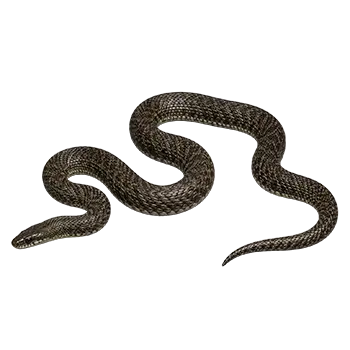

Determining when a File Snake (genus Acrochordus) has entered its senior years is less straightforward than with many other captive reptile species because the genus is inherently sedentary and shows minimal behavioral change over time. As a general guideline, File Snakes maintained under good captive conditions can be considered entering the senior phase at approximately twelve to fifteen years of age, though this varies with species and individual health history. Acrochordus granulatus, the smallest species, may show signs of aging earlier, while well-maintained Acrochordus javanicus and Acrochordus arafurae can remain in robust health well into their mid-teens before age-related changes become apparent.
The earliest and most reliable indicators of aging in File Snakes are gradual changes in feeding behavior and body condition. A senior animal may begin refusing prey with increasing frequency, taking longer to strike at offered fish, or consuming smaller quantities per feeding session than it did during its prime years. These changes reflect a natural decline in metabolic demand and predatory responsiveness rather than acute illness, though distinguishing normal age-related appetite reduction from pathological anorexia requires familiarity with the individual animal's baseline feeding habits.
Physical changes associated with aging in File Snakes can be subtle. The loose skin characteristic of the genus may become even more lax and deeply folded as underlying muscle mass gradually diminishes. The granular scale texture may become less uniform in older animals, with localized areas of smoother or rougher texture developing over time. Coloration may fade slightly, with the bold patterning of younger animals giving way to a more muted, uniform appearance. None of these changes in isolation indicates a health problem, but taken together they paint a picture of an animal progressing through the natural aging process.
Keepers who have maintained detailed health and growth records throughout their File Snake's life are at a significant advantage when assessing the onset and progression of aging. Weight trends, feeding frequency records, and veterinary examination notes from earlier life stages provide context for interpreting current observations. A gradual, consistent decline in body weight over a period of months is more suggestive of normal aging than a sudden weight drop, which should prompt immediate investigation for underlying disease.