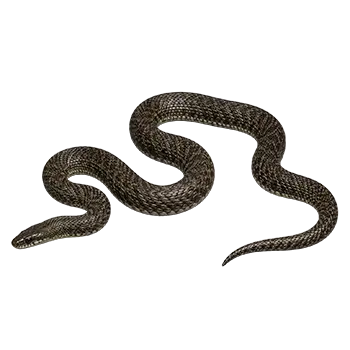

Identifying the transition from manageable geriatric decline to terminal deterioration in a File Snake (genus Acrochordus) requires sustained, objective observation and a willingness to distinguish between conditions that can be treated and those that represent irreversible physiological failure. The naturally sedentary behavior of File Snakes complicates this assessment, as the behavioral changes associated with terminal decline can overlap substantially with the species' baseline inactivity. Keepers who have maintained detailed health records throughout the animal's life are best positioned to identify the subtle but meaningful departures from the individual's established norms.
Complete and sustained cessation of feeding is often the most prominent indicator that a File Snake has entered terminal decline. While healthy File Snakes, particularly seniors, may voluntarily fast for extended periods, terminal anorexia is distinguished by its permanence and its association with concurrent physical deterioration. A File Snake that has refused all prey for three or more months and is simultaneously losing body mass, exhibiting muscle wasting, and showing reduced responsiveness to environmental stimuli is likely experiencing systemic organ failure or advanced disease that has progressed beyond the point of recovery.
Neurological signs represent another category of terminal indicators. Disorientation, loss of coordination, inability to navigate to the water surface to breathe, circling behavior, and failure to maintain a normal resting posture all suggest central nervous system involvement, whether from neoplasia, infection, or metabolic derangement. A File Snake that cannot reliably surface to breathe is in immediate danger of drowning, and the water depth in the enclosure must be reduced to a level where the animal can breathe without effort. This emergency accommodation may extend the animal's life but does not address the underlying cause.
Progressive skin deterioration that fails to respond to optimized water quality and veterinary treatment is a grave sign in File Snakes. The genus's permeable, granular integument is their first line of defense against environmental pathogens, and widespread breakdown of skin integrity — manifesting as chronic ulceration, necrosis, or extensive areas of abnormal texture — indicates that the immune system has been overwhelmed. In a fully aquatic animal, compromised skin barrier function leads to a cascading cycle of fluid imbalance, secondary infection, and progressive systemic decline that is extremely difficult to reverse once established.