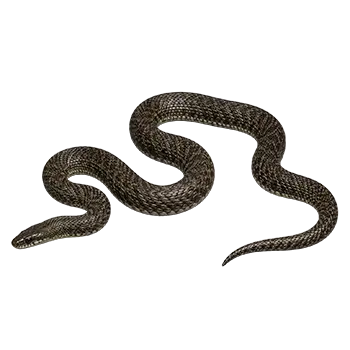

File Snakes (genus Acrochordus) are viviparous, meaning females give birth to fully formed, free-swimming neonates rather than depositing eggs. A typical litter ranges from six to twenty-seven offspring depending on species and maternal size, with the larger Acrochordus javanicus producing the most neonates per reproductive event. Parturition usually occurs in shallow, calm water, and the neonates are immediately capable of independent swimming upon emergence. Unlike many terrestrial snake species that may remain near the birthing site for hours, File Snake neonates disperse quickly and begin exploring their aquatic surroundings within minutes.
Neonates are born enclosed in a thin, transparent membrane that ruptures during or immediately after delivery. In a captive setting, keepers should monitor the birthing process from a distance to ensure each neonate successfully breaks free of its membrane. Occasionally a neonate may struggle to emerge, and gentle intervention with blunt-tipped forceps to tear the membrane near the head can prevent drowning. However, such intervention should be a last resort, as the vast majority of neonates will free themselves within seconds of delivery.
Newborn File Snakes measure approximately eight to fourteen inches in length depending on species. Acrochordus arafurae neonates tend to fall at the larger end of this range, while Acrochordus granulatus young are typically smaller. Despite their small size, neonates already exhibit the characteristic loose, granular skin texture that gives the genus its common name. Their coloration is generally darker and more distinctly patterned than that of adults, providing camouflage among submerged vegetation and debris in their natural habitat.
The birthing container or enclosure should be prepared well in advance of the expected delivery date. A shallow aquatic setup with water depth of three to five inches, gentle filtration, and several submerged hides made from PVC fittings or dense artificial plants provides an ideal environment for parturition and the neonates' first hours of life. Water temperature should be maintained between 80 and 84 degrees Fahrenheit, matching the thermal conditions the gravid female was kept in during the final weeks of gestation. After all neonates have been delivered and are swimming independently, the mother should be carefully removed to a separate recovery enclosure to prevent accidental injury to the young.