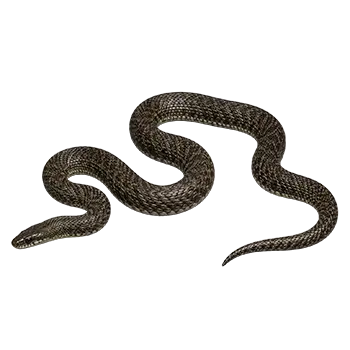

The juvenile phase in File Snakes (genus Acrochordus) spans roughly from six months of age through the onset of sexual maturity, which typically occurs between three and five years depending on species, sex, and growth rate. During this period, the animal transitions from the small, somewhat fragile neonate into a robust, well-established subadult capable of taking increasingly large prey and tolerating a wider range of environmental fluctuations. There is no single dramatic event that marks the beginning of the juvenile stage; rather, it is characterized by a sustained increase in growth rate, the establishment of stable behavioral patterns, and the development of the thick, heavily keeled skin texture that becomes increasingly pronounced with age.
Juvenile Acrochordus javanicus, the largest species in the genus, may reach two to three feet in length by the end of their first year and continue growing steadily through the juvenile period. Acrochordus arafurae follows a similar trajectory but typically matures at a slightly smaller adult size. Acrochordus granulatus, the smallest and most marine-adapted species, reaches maturity at a comparatively modest length of two to three feet and may complete its juvenile phase more quickly than its larger relatives. Regardless of species, the juvenile period is when the foundation of long-term health is established, making consistent, attentive husbandry during this stage critically important.
Sexual dimorphism begins to emerge during the latter portion of the juvenile stage. Females of all three species tend to grow larger and heavier than males, and this size difference becomes apparent as animals approach two to three years of age. In Acrochordus javanicus and Acrochordus arafurae, females may exceed males in both length and girth by a noticeable margin well before reaching full maturity. Recognizing these growth divergences helps keepers anticipate housing and feeding needs as each individual progresses toward adulthood.
Keepers should maintain detailed growth records throughout the juvenile stage, documenting weight, length when practical, feeding response, and any health observations at regular intervals. These records serve as a valuable diagnostic tool, allowing the keeper to identify growth stalls, weight loss trends, or feeding irregularities that might indicate subclinical health problems. A juvenile File Snake that has been growing steadily and then plateaus or loses weight over two or more consecutive weigh-ins warrants a thorough evaluation of water quality, diet, and overall enclosure conditions.