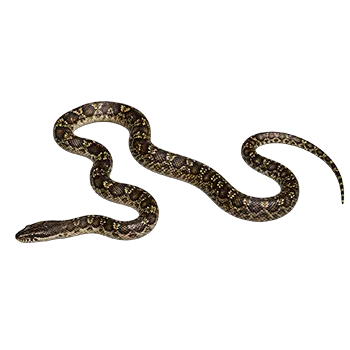

Terminal decline in an Egg-Eating Snake may result from advanced age-related organ failure, progressive disease that has not responded to treatment, or acute injury or illness from which recovery is not expected. Distinguishing terminal decline from treatable illness requires both veterinary assessment and the keeper's intimate knowledge of the individual animal's behavioral baselines. A Dasypeltis that has gradually declined over months despite appropriate veterinary care and husbandry optimization presents a different clinical picture than one that has experienced a sudden catastrophic health event, but both scenarios ultimately require the keeper to shift from curative to palliative priorities.
The hallmarks of terminal decline in Dasypeltis include a complete and sustained cessation of feeding that persists regardless of egg type, presentation method, or environmental manipulation. While healthy Egg-Eating Snakes may fast voluntarily for weeks during brumation or seasonal appetite fluctuations, a terminally declining animal refuses food in a context that lacks these seasonal triggers and that is accompanied by other deteriorating indicators. Progressive and irreversible weight loss is typically evident, with the spine and ribs becoming increasingly prominent as muscle mass and fat reserves are depleted beyond the body's ability to maintain baseline condition.
Neurological changes may accompany terminal decline and can manifest as disorientation, inability to right the body when placed on its back, repetitive stargazing posture with the head and neck elevated and tilted backward, corkscrew rolling during movement attempts, or a general loss of coordinated locomotion. These neurological signs can result from advanced hepatic encephalopathy, systemic infection affecting the central nervous system, or neoplasia involving the brain or spinal cord. The appearance of persistent neurological deficits in a snake with other signs of systemic decline typically indicates that the animal has entered a phase from which meaningful recovery is not possible.
Respiratory compromise in terminal decline may progress beyond the treatable infections of earlier life stages to a state of chronic, irreversible respiratory insufficiency. The snake may exhibit constant open-mouth breathing, audible gurgling or bubbling sounds during respiration, visible labored effort with each breath cycle, and mucoid or bloody discharge from the nares and oral cavity. At this stage, respiratory function has deteriorated to a degree that the animal's oxygen exchange capacity cannot sustain normal metabolic processes, and the focus of care should shift entirely from attempted cure to comfort and humane decision-making.