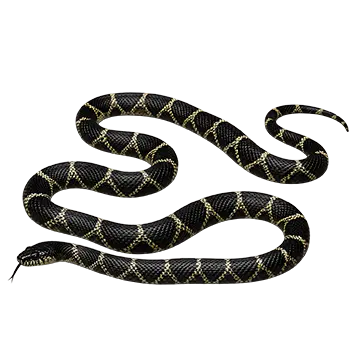

Eastern Kingsnakes (Lampropeltis getula) are relatively long-lived colubrids, with well-maintained captive specimens routinely reaching fifteen to twenty years and exceptional individuals surpassing twenty-five years. The transition from prime adulthood into the senior stage is gradual and lacks a single defining threshold, but most keepers begin to observe age-related changes between twelve and fifteen years. Recognizing these changes early allows husbandry to be adjusted proactively rather than reactively, helping to maintain the animal's comfort and quality of life as it enters its later years.
The earliest and most consistent sign of aging in Eastern Kingsnakes is a gradual reduction in overall activity level. A snake that once explored its enclosure extensively during crepuscular periods may begin spending more time in its hide, emerging primarily for water and occasional thermoregulation. This reduced activity is a normal consequence of slowing metabolism rather than a sign of illness, though it should always be evaluated in context. A sudden and dramatic decline in activity, as opposed to a gradual tapering, may indicate an acute health problem rather than normal aging and warrants immediate veterinary evaluation.
Physical changes accompany the behavioral shift. Muscle tone diminishes over time, particularly along the dorsal surface, and the snake may feel less firmly muscled when handled compared to its prime years. The characteristic glossy sheen of the Eastern Kingsnake's scales may become slightly dulled, and the contrast between the black dorsum and white crossbands may soften as melanocyte function changes with age. Shedding intervals lengthen further, and some senior individuals may begin to produce slightly less pristine sheds, requiring supplemental humidity support that was not previously necessary.
Reproductive activity ceases in most aging Eastern Kingsnakes, though the timeline varies between individuals and sexes. Females generally stop producing viable follicles before males cease producing viable sperm. Continuing to subject a senior female to the metabolic demands of breeding — the physiological stress of follicle development, ovulation, egg production, and post-laying recovery — is inappropriate and can significantly shorten her remaining lifespan. Breeding should be discontinued well before the onset of geriatric changes, ideally by the time the female reaches ten to twelve years of age.