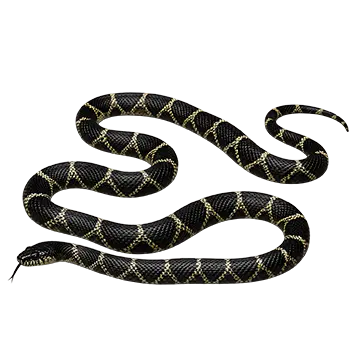

The distinction between normal geriatric aging and irreversible terminal decline in an Eastern Kingsnake (Lampropeltis getula) can be difficult to discern, particularly because snakes are stoic animals that mask pain and debilitation as a survival strategy. However, certain clusters of signs, when they appear together and progress over time rather than responding to husbandry adjustments, indicate that the animal has entered a phase from which recovery is unlikely. Recognizing these signs with clarity and honesty is the first and most important step in providing compassionate end-of-life care.
Progressive and irreversible weight loss is the hallmark of terminal decline. A snake that continues to lose body mass despite adequate feeding opportunities, correct enclosure temperatures, and veterinary treatment for any identified underlying condition is signaling that its body can no longer assimilate nutrients effectively. The spine and ribs become increasingly prominent, muscle tone along the dorsal surface wastes away, and the head appears disproportionately large relative to the thinning body. This cachectic state differs from the temporary weight loss associated with seasonal fasting or acute illness in that it does not reverse with intervention.
Neurological deterioration may accompany terminal decline in some individuals. Signs include sustained stargazing (the head held in a fixed upward position), loss of the righting reflex (inability to correct from an inverted position), uncoordinated or circular locomotion, and tremors or muscle fasciculations. In the context of an aging animal with other signs of terminal decline, neurological symptoms generally indicate either central nervous system degeneration, end-stage organ failure affecting brain function, or, less commonly, a primary neurological condition such as viral encephalitis. Regardless of the underlying cause, progressive neurological deterioration in a geriatric snake carries a very poor prognosis.
Complete and sustained cessation of feeding over a period of several months, combined with weight loss and lethargy, is another strong indicator of terminal decline. While Eastern Kingsnakes can safely fast for extended periods under certain circumstances — brumation, seasonal anorexia, pre-shed periods — a senior animal that refuses all food for eight to twelve weeks or longer during a period when it should be actively feeding, and that shows concurrent weight loss and declining condition, is communicating that its body is shutting down. Attempting to force-feed a terminally declining snake prolongs suffering without altering the outcome and is not recommended.