
The First 24 Hours

Eastern Kingsnakes (Lampropeltis getula) are oviparous, depositing clutches of eggs that hatch after an incubation period rather than producing live young. A typical clutch ranges from six to twenty-four eggs, with clutch size influenced by the female's body size, age, and overall condition. Hatchlings emerge by slicing through the leathery eggshell using a small, keratinized egg tooth located on the tip of the upper jaw. This process, known as pipping, may take anywhere from a few hours to a full day from the appearance of the first slit to complete emergence. Keepers should resist the impulse to help a pipping hatchling, as the effort of emergence stimulates circulatory and respiratory function and allows the neonate to finish absorbing its yolk sac.

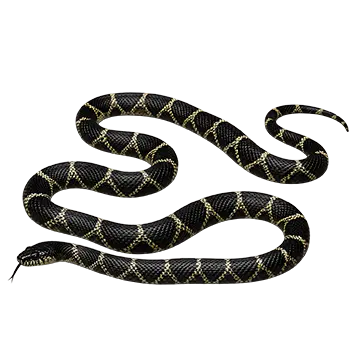
Newly emerged Eastern Kingsnake hatchlings measure approximately eight to twelve inches in length and display the species' characteristic glossy black dorsal scales interrupted by crisp white or cream chain-like crossbands. Despite their small size, hatchlings are alert and active almost immediately after clearing the eggshell, and they may begin exploring their surroundings within minutes of emergence. Some individuals will adopt a defensive posture, vibrating the tail tip against the substrate to mimic the sound of a rattlesnake, a bluffing behavior common across kingsnake species. This behavior is entirely normal and should not be interpreted as a sign of distress or poor health.

The incubation container should remain sealed and undisturbed until all viable eggs in the clutch have hatched. Hatching across a clutch can span twenty-four to forty-eight hours, so premature opening of the container risks disrupting eggs that have not yet pipped. Once all hatchlings have fully emerged and are moving independently, they can be carefully transferred to individual holding containers lined with damp paper towels. Any eggs showing no signs of pipping seventy-two hours after the first hatchling's emergence are unlikely to be viable and can be carefully opened and inspected for developmental abnormalities.

Cleanliness in the hatching area is paramount during this vulnerable period. Eggshell remnants, residual egg fluid, and any non-viable egg material should be promptly removed to prevent the growth of bacteria and mold. The ambient temperature around the hatching container should be maintained at 80 to 84 degrees Fahrenheit, consistent with the final phase of incubation, while humidity should remain elevated between 75 and 85 percent. These stable conditions give neonates a smooth transition from the egg environment to their first independent hours of life.

First Feeding & Nutrition

Hatchling Eastern Kingsnakes typically undergo their first shed within seven to twelve days of emergence, and the vast majority of individuals will refuse food until this initial ecdysis is complete. The first shed marks the point at which the hatchling has fully metabolized its residual yolk reserves and its gastrointestinal tract is ready to process external prey. Offering food before the first shed is almost always unproductive and can increase stress, so keepers should simply ensure that fresh water is available and wait for the shed cycle to conclude.

Once the first shed is complete, hatchlings can be offered their initial meal. Pinky mice — newborn mice without fur — are the standard first prey item for Eastern Kingsnake neonates. The prey should be no wider than the widest point of the hatchling's body to ensure safe ingestion and digestion. Eastern Kingsnakes are renowned for their vigorous feeding response, and most hatchlings will strike at and constrict a pinky mouse with enthusiasm on the first attempt. Pre-killed or frozen-thawed prey is strongly recommended over live prey to eliminate the risk of injury from the rodent and to establish safe feeding habits from the outset.

Feeding frequency for neonates should be once every five to seven days. Each meal should consist of a single appropriately sized prey item. Consistent, moderate feeding promotes steady growth without the metabolic strain associated with overfeeding. Regurgitation is a serious concern in young snakes and is most commonly caused by handling the animal too soon after feeding, offering prey that is too large, or maintaining enclosure temperatures that are too low for proper digestion. If regurgitation occurs, allow the hatchling to rest undisturbed for ten to fourteen days before offering a smaller prey item.

Fresh, clean water must be available at all times in a shallow, tip-resistant dish. Hatchling Eastern Kingsnakes will drink regularly and may also soak in their water dish, particularly during the pre-shed period when elevated humidity against the skin aids in loosening the old epidermis. Water should be changed daily or immediately upon soiling, as hatchlings frequently defecate in their water bowls. Dehydration in neonates can manifest as sunken eyes, wrinkled skin along the lateral body folds, and incomplete sheds, all of which are preventable with attentive water management.

Developmental Milestones

Growth in hatchling Eastern Kingsnakes proceeds at a moderate but steady pace when husbandry conditions are maintained correctly. A neonate that emerges at eight to twelve inches in length can be expected to reach approximately eighteen to twenty-four inches within the first twelve months, depending on feeding frequency, prey size, and individual metabolism. Tracking growth through regular weighing on a precision digital scale — ideally once per week at a consistent time — provides objective data that can reveal feeding or health issues well before they become visually apparent.

The first shed is the single most important developmental milestone in the hatchling period. A clean, complete shed that comes off in a single piece indicates that humidity levels are appropriate and the animal's overall health is sound. Retained shed, particularly around the eyes (retained spectacles), tail tip, or ventral scales, signals that ambient humidity is too low or that the animal is dehydrated. Retained shed should be addressed promptly by placing the hatchling in a shallow container of lukewarm water for fifteen to twenty minutes, then gently removing the retained skin with a damp cotton swab. Persistent shedding problems warrant a review of enclosure humidity and hydration access.

By the end of the first month, a healthy hatchling should be feeding reliably, shedding cleanly, and demonstrating consistent weight gain. The shedding cycle will recur approximately every three to four weeks during the rapid growth phase of the first year, with the interval gradually lengthening as the snake matures. Each successive shed should be monitored for completeness, and any changes in shedding frequency — particularly an unexplained increase — may indicate stress, parasites, or dermal infection that warrants veterinary evaluation.

Behavioral development during the hatchling stage is characterized by a gradual reduction in defensive responses and an increase in exploratory behavior. In the first few weeks, most hatchlings will musk, strike, or attempt to flee when disturbed. Over time, with consistent and gentle interaction, the majority of Eastern Kingsnake hatchlings habituate to handling and begin to display the calm, inquisitive temperament for which the species is known. By the end of the third month, most well-socialized individuals will move through the keeper's hands without defensive posturing, though individual variation in temperament is normal and expected.

Temperature & Environment

Proper thermal management is foundational to hatchling Eastern Kingsnake health, directly influencing digestion, immune function, shedding quality, and activity levels. The enclosure should provide a thermal gradient with a warm end maintained at 85 to 88 degrees Fahrenheit and a cool end at 72 to 76 degrees. This gradient allows the hatchling to shuttle between temperature zones as its physiological needs dictate. An under-tank heat pad regulated by a thermostat is the most common and effective method for achieving the warm zone, though overhead ceramic heat emitters are also suitable. Unregulated heat sources of any type are dangerous and can cause fatal thermal burns, particularly in small snakes that lack the body mass to buffer against rapid temperature changes.

Humidity should be maintained between 40 and 60 percent under normal conditions, rising to 60 to 70 percent during the pre-shed period. Eastern Kingsnakes are native to a wide range of habitats across the eastern United States, from pine forests and hardwood bottomlands to agricultural fields and coastal scrub, so they are relatively tolerant of moderate humidity variation. However, sustained humidity below 30 percent leads to chronic dehydration and problematic sheds, while sustained humidity above 80 percent creates conditions favorable for respiratory infection and scale rot. A simple analog or digital hygrometer placed at the substrate level provides the most accurate reading of the conditions the snake actually experiences.

Enclosure size for hatchlings should be modest. A plastic shoebox-style container or small glass terrarium measuring approximately 16 by 10 by 6 inches is appropriate for the first three to four months. Kingsnake hatchlings are accomplished escape artists, so the enclosure must have a secure, tightly fitting lid with no gaps larger than the hatchling's head. Ventilation holes should be small enough to prevent escape but numerous enough to ensure adequate air exchange. Overly large enclosures can cause feeding difficulties and stress in very small snakes that feel exposed, though Eastern Kingsnakes are generally more adaptable in this regard than many other species.

Substrate for hatchlings should prioritize function over aesthetics. Paper towels, unprinted newsprint, or reptile-specific paper bedding allow easy observation of fecal output, simplify spot-cleaning, and eliminate the risk of accidental substrate ingestion during feeding. As the hatchling grows past the three-month mark and becomes a more coordinated feeder, a transition to aspen shavings or cypress mulch can be considered for improved humidity retention and burrowing opportunities. Avoid cedar and pine shavings, as the aromatic oils in these woods are toxic to reptiles. Regardless of the substrate used, spot-clean after every defecation and replace the substrate entirely every two to four weeks, disinfecting the enclosure with a reptile-safe cleaner at each change.

Hides are essential furnishings even in a simple hatchling setup. Two hides — one on the warm end and one on the cool end — allow the hatchling to thermoregulate without sacrificing its sense of security. Hides can be as simple as inverted plastic containers with an entry hole cut in one side, or commercially produced half-log or cave-style hides. The hide should be snug enough that the hatchling's body contacts the walls and ceiling when coiled inside, as an oversized hide does not provide the same sense of concealment. A small, shallow water dish completes the essential furnishings for the hatchling enclosure.

Handling & Early Socialization

Eastern Kingsnakes are widely considered one of the most handleable colubrid species in captivity, and this reputation begins with proper socialization during the hatchling stage. While neonates are typically more defensive than adults — musking, striking, and tail-vibrating when disturbed — these behaviors diminish steadily with regular, calm interaction. The goal of early handling is not to force tolerance but to build a positive association between human contact and a safe, non-threatening experience, which lays the groundwork for a docile, easily managed adult.

Handling should be avoided entirely during the first week after hatching and for at least forty-eight hours after each feeding. Once the hatchling has completed its first shed and accepted its first two or three meals, brief handling sessions of three to five minutes can begin. Approach the hatchling slowly and from the side rather than from directly above, as an overhead approach mimics predator attack angles and triggers defensive behavior. Scoop the snake gently from beneath its midsection rather than grasping it from above or pinching the body, and allow it to move freely through your hands. Short, frequent sessions — three to four times per week — are far more effective than infrequent, prolonged handling in building trust.

Musking is the most common defensive behavior in hatchling Eastern Kingsnakes and involves the release of a pungent, oily secretion from the cloacal glands. While unpleasant, musking is harmless and is the hatchling's primary means of deterring predators. It should be expected during the first several handling sessions and should not discourage the keeper from continuing socialization efforts. Most individuals cease musking within two to four weeks of consistent handling as they learn that human interaction does not pose a threat.

Safety practices during handling are straightforward but important to establish early. Always wash hands before and after handling to prevent the transfer of prey scent — which can trigger a feeding strike — and to maintain hygiene. Handle the hatchling over a table or other controlled surface rather than at standing height, so that an accidental drop does not result in serious injury to the snake. Eastern Kingsnake hatchlings are fast and can slip through surprisingly small gaps between fingers, so maintain a relaxed but attentive grip and be prepared for sudden bursts of movement. Building these habits during the hatchling stage ensures a seamless and safe handling routine as the snake grows.

Health Screening & Veterinary Care

A veterinary examination by a reptile-experienced practitioner within the first thirty days of life is strongly recommended for all hatchling Eastern Kingsnakes, and it is particularly important for animals acquired from breeders, expos, or pet retailers rather than hatched within the keeper's own collection. A qualified herp veterinarian can evaluate the neonate's body condition score, check for external parasites such as snake mites (Ophionyssus natricis), assess hydration, and perform a direct fecal smear or fecal float to screen for internal parasites including roundworms (ascarids), hookworms, and flagellate protozoans such as Cryptosporidium.

Respiratory infections are among the most common health concerns in hatchling kingsnakes and are almost always associated with suboptimal husbandry — specifically, temperatures that are too low, humidity that is too high, or poor ventilation. Early signs include audible wheezing or clicking during respiration, open-mouth breathing, excess mucus visible around the nostrils or in the oral cavity, and lethargy. If any of these symptoms are observed, the first step is to verify and correct enclosure temperatures and ventilation. If symptoms persist beyond forty-eight hours after environmental corrections, prompt veterinary attention is necessary, as untreated respiratory infections can progress rapidly in neonates.

Mites are a persistent concern in captive snake collections and can be introduced through new acquisitions, contaminated substrate, or shared equipment. Hatchlings are especially vulnerable because their small body size means that even a moderate mite burden can cause significant blood loss and stress. Signs of mite infestation include tiny black or reddish-brown dots moving on the snake's body, excessive soaking, frequent rubbing against cage furnishings, and small white specks (mite feces) on the snake and enclosure surfaces. Treatment involves thorough enclosure disinfection, replacement of all substrate and porous furnishings, and application of a veterinarian-approved mite treatment. Prevention through strict quarantine of new acquisitions — a minimum of thirty days in a separate room using dedicated tools — is the most effective strategy.

Keeping detailed health records from the hatchling stage forward is an invaluable husbandry practice. A simple logbook or digital spreadsheet documenting feeding dates, prey items accepted or refused, shed dates and completeness, weight measurements, defecation observations, and any behavioral changes creates a longitudinal health profile for each animal. This record allows keepers to identify subtle trends — a gradually decreasing feeding response, an unexplained weight plateau, or increasingly frequent incomplete sheds — that might otherwise go unnoticed until a serious health problem develops. These records are also invaluable when consulting with a veterinarian, as they provide objective data rather than subjective impressions of the animal's condition.

Always consult a qualified professional before making any health-related decisions. This content is provided for informational reference only and should not replace professional guidance specific to your animal.