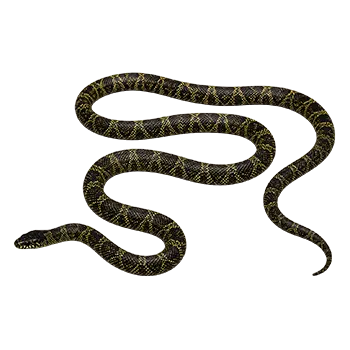

The distinction between the gradual slowdown of normal aging and the onset of terminal decline in a Desert Kingsnake (Lampropeltis splendida) is not always immediately apparent, but certain patterns of deterioration, when they emerge in combination and progress despite appropriate husbandry and veterinary care, indicate that the animal has entered the final phase of its life. Recognizing this transition is important because it allows the keeper to shift focus from curative treatment to comfort-oriented care that prioritizes the animal's quality of remaining life.
The most significant indicator of terminal decline is a sustained loss of body condition that does not respond to adjustments in feeding schedule, prey type, or environmental parameters. A snake that has refused food for two or more months, has lost more than fifteen to twenty percent of its peak body weight, and continues to lose mass despite optimal husbandry is likely experiencing organ failure, advanced neoplasia, or systemic disease that has progressed beyond reversibility. The visible signs include pronounced spinal prominence along the entire dorsal surface, concave lateral flanks, loss of muscle definition, and loose, wrinkled skin that no longer conforms tightly to the underlying body.
Neurological deterioration may manifest in the terminal phase as discoordination during movement, an inability to right itself when placed on its back, stargazing behavior in which the head is held in an abnormally elevated position, or episodes of corkscrew rolling. These signs suggest central nervous system compromise from any of several possible causes including viral encephalitis, hepatic encephalopathy secondary to liver failure, or brain tumors. Neurological symptoms that appear suddenly and progressively worsen carry a poor prognosis in geriatric snakes and are rarely reversible.
Respiratory failure is another common pathway of terminal decline. A snake that develops progressively labored breathing, with visible expansion and contraction of the ribcage during respiration, open-mouth breathing, or audible gurgling or rattling sounds, is experiencing severe compromise of lung function. In aged Desert Kingsnakes, this may result from advanced pneumonia, pulmonary neoplasia, or congestive organ failure. While acute respiratory infections in younger animals are often treatable with antibiotics, the same presentation in a geriatric animal with concurrent systemic decline carries a far more guarded prognosis.