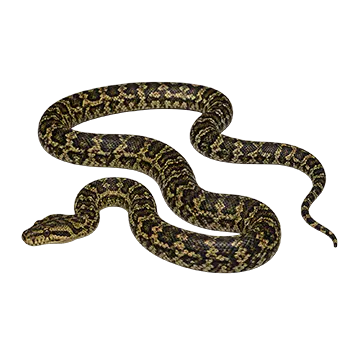

Carpet pythons are long-lived reptiles, with well-cared-for individuals regularly reaching 20 to 30 years in captivity. The onset of the senior phase is gradual and does not have a universally defined starting point, but most carpet pythons begin showing subtle signs of aging between 15 and 20 years of age. These changes are often so gradual that they may go unnoticed unless the keeper is paying close attention and maintaining detailed records over time.
Early indicators of aging in carpet pythons include a slight reduction in overall activity level, longer intervals between meals or reduced feeding enthusiasm, and a subtle dulling of skin coloration. The once-vivid pattern contrasts may soften, and the skin may lose some of its youthful luster. These changes are cosmetic and natural, not signs of illness, but they serve as useful markers that the snake is transitioning into a new phase of life.
Metabolic changes accompany the aging process. An older carpet python's digestive efficiency may decrease, and the snake may take longer to process meals than it did during its prime years. Shedding frequency often decreases as well, and sheds may occasionally be incomplete or more difficult. These shifts require adjustments in husbandry practices, particularly around feeding schedules and environmental humidity.
Understanding that aging is a natural process rather than a disease to be cured is important for keepers of senior carpet pythons. The goal of senior care is to maintain comfort, support declining organ systems, and provide an environment that accommodates the snake's changing needs. With attentive care, a senior carpet python can enjoy many comfortable years beyond the onset of age-related changes.