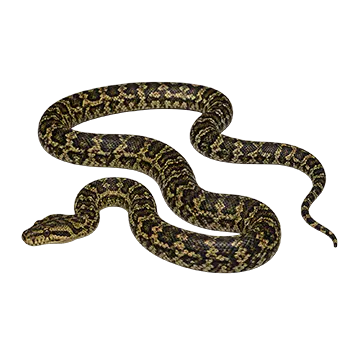

Carpet pythons should not be bred until they have reached both sexual maturity and an appropriate size and body condition. Males typically become sexually mature at around two to three years of age, while females generally require three to four years and should have reached a minimum weight that varies by subspecies. For most carpet python varieties, a female should weigh at least 1,500 grams before being considered for breeding, though larger subspecies like coastal carpets should ideally be heavier.
Body condition is as important as age and weight when assessing breeding readiness. Both the male and female should be in excellent health with no history of recent illness, parasites, or feeding problems. The female in particular must have substantial fat reserves to sustain her through the extended fasting period that accompanies egg development and maternal incubation. A female that is underweight or in marginal condition should not be bred, as the physical demands of reproduction can be life-threatening for an underprepared animal.
Before initiating the breeding process, both snakes should receive a thorough veterinary examination including a fecal parasite screen. Any health issues should be fully resolved well in advance of the breeding season. The keeper should also have a clear plan for the resulting offspring, including adequate housing for hatchlings and a responsible rehoming strategy. Breeding without a plan for the young is irresponsible and contributes to the problem of unwanted reptiles in the hobby.
Genetic considerations are also important when selecting breeding pairs. Keepers should research the lineage of both animals to avoid inbreeding and should be aware of any genetic issues associated with specific morphs or locality types. Mixing subspecies or localities is generally discouraged within the carpet python community, as it dilutes the genetic integrity of distinct populations that have conservation value.