
Growth & Physical Development

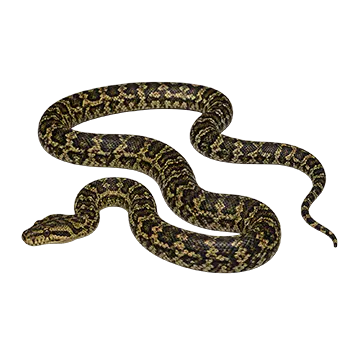
The juvenile phase of a carpet python's life is characterized by rapid and often dramatic growth. From roughly three months of age through to approximately two years, a carpet python can grow from its initial 12 to 18 inches to well over three feet in length, depending on subspecies, feeding frequency, and individual genetics. Coastal carpet pythons tend to be the fastest growers, while diamond carpets and some inland varieties develop at a more measured pace.

During this period, frequent shedding is a reliable indicator of healthy growth. Juvenile carpet pythons may shed as often as every three to four weeks when feeding regularly. Each shed cycle should produce a complete, intact skin. The snake's coloration will also begin to shift during adolescence, particularly in subspecies like the jungle carpet python, where the vivid yellow and black patterning becomes more defined and contrasted as the animal matures.

Body proportion changes are notable during the juvenile stage. Hatchlings have proportionally larger heads relative to their body, but as the snake grows, the body thickens and the proportions become more balanced. Muscle tone and overall robustness increase steadily with consistent nutrition and appropriate exercise opportunities within the enclosure.

Keepers should weigh their juvenile carpet pythons regularly using a digital gram scale. Monthly weight checks help track growth trends and can reveal problems such as parasites or underfeeding before they become serious. A healthy juvenile should show a steady upward weight trajectory without dramatic fluctuations. Sudden weight loss or a prolonged growth plateau warrants investigation.

Nutrition & Diet Transition

As juvenile carpet pythons grow, their prey size must increase proportionally. The general rule remains that prey items should be no wider than the widest part of the snake's body. A juvenile that started on pinky mice will graduate to fuzzy mice, then hopper mice, and eventually adult mice or small weaner rats as it grows. This transition happens naturally as the snake's girth increases over the first year or two of life.

Feeding frequency during the juvenile phase is typically every 7 to 10 days. Some keepers prefer a slightly more conservative schedule of every 10 days to promote lean, muscular growth rather than rapid weight gain. Overfeeding juvenile carpet pythons, sometimes called power feeding, can lead to obesity, fatty liver disease, and a shortened lifespan. A visible but not prominent body outline with a gently rounded cross-section indicates a well-fed but not overweight juvenile.

Frozen-thawed prey remains the safest and most practical option during this stage. Juveniles that were established on frozen-thawed food as hatchlings will typically continue accepting it without issue. If transitioning a juvenile from live prey to frozen-thawed, try warming the prey item under hot water, drying it thoroughly, and presenting it with gentle movement using long feeding tongs to simulate life.

Variety in prey can be introduced during the juvenile phase but is not strictly necessary for carpet pythons, which thrive on a rodent-based diet. Occasionally offering prey items of slightly different types, such as switching between mice and appropriately sized rats, can provide minor nutritional variation and may prevent the snake from becoming fixated on a single prey type.

Behavioral Changes

Juvenile carpet pythons undergo significant behavioral shifts as they grow and gain confidence. The nervous, defensive hatchling that struck at every movement often begins to settle into a calmer disposition during the juvenile stage, particularly with regular handling. However, adolescence can also bring periods of increased defensiveness, often coinciding with rapid growth spurts or pre-shed cycles when the snake's vision is impaired by clouded eye caps.

Arboreal behavior becomes increasingly prominent during the juvenile phase. Carpet pythons are semi-arboreal by nature, and juveniles will spend considerable time climbing and perching on branches, ledges, and other elevated surfaces within their enclosure. Providing ample climbing opportunities is not just enrichment but a fundamental aspect of proper carpet python husbandry. A juvenile that is always on the ground in an enclosure with climbing options may be unwell or stressed.

Feeding response often becomes more enthusiastic and sometimes overly eager during adolescence. Juveniles may begin to associate enclosure opening with feeding and may strike at anything that enters the enclosure, including the keeper's hand. Using feeding tongs and establishing a routine that differentiates feeding time from handling time helps manage this behavior. Some keepers use a gentle tap on the snake's body with a hook before handling to signal that it is not feeding time.

Nocturnal and crepuscular activity patterns become well established during the juvenile phase. Keepers will notice their carpet pythons becoming active in the evening and exploring their enclosure throughout the night. Providing a consistent light cycle of 10 to 12 hours of daylight helps regulate the snake's circadian rhythm and supports overall behavioral health.

Enclosure Upgrades

As carpet pythons grow through the juvenile phase, enclosure upgrades become necessary. A snake that was comfortable in a small hatchling tub will quickly outgrow it and require a larger setup. The general guideline is that the enclosure length plus width should be at least equal to the snake's total length. For a juvenile carpet python approaching three feet, this means a terrarium or PVC enclosure in the range of 36 by 18 by 18 inches.

Height is particularly important for carpet pythons due to their semi-arboreal nature. Taller enclosures with sturdy branches, cork bark rounds, and elevated perching platforms allow juveniles to express natural climbing behavior. Branches should be at least as thick as the snake's body and securely mounted to prevent falls. Multiple perching options at different heights give the snake choices and promote natural thermoregulation by allowing it to position itself at various points within the thermal gradient.

The thermal gradient should be maintained as enclosure size increases, with a warm basking zone of 88 to 90 degrees Fahrenheit and a cool side around 78 to 80 degrees. Larger enclosures may require more powerful heating elements or multiple heat sources to maintain appropriate temperatures throughout. A radiant heat panel mounted on the ceiling of the enclosure can provide ambient warmth while a basking spot lamp or ceramic heat emitter creates a focused warm zone.

Substrate can be transitioned from the utilitarian paper towels of the hatchling phase to more naturalistic options such as coconut fiber, cypress mulch, or a bioactive mix. These substrates help maintain humidity and contribute to a more visually appealing setup. Regardless of substrate choice, spot cleaning should be performed promptly after defecation, and a full substrate change should occur on a regular schedule to prevent bacterial buildup.

Exercise & Enrichment

Juvenile carpet pythons benefit from environmental enrichment that encourages natural behaviors. Beyond climbing structures, adding elements such as cork bark hides at both ground level and elevated positions, artificial or live plants for cover, and varied textures throughout the enclosure gives the snake opportunities to explore and interact with its surroundings. A well-enriched enclosure promotes physical fitness and reduces stress-related behaviors.

Handling itself serves as a form of exercise and mental stimulation for juvenile carpet pythons. Regular handling sessions of 10 to 15 minutes allow the snake to explore new environments, navigate different surfaces, and experience novel stimuli. These sessions should be calm and controlled, avoiding sudden movements or loud environments that could startle the snake.

Some keepers provide supervised exploration time outside the enclosure in a safe, enclosed space. This can be beneficial but requires careful attention to temperature, as juveniles can chill quickly in an air-conditioned room. The exploration area should be escape-proof and free of hazards such as other pets, small spaces the snake could wedge itself into, or surfaces treated with chemicals.

Enrichment does not need to be elaborate or expensive. Simply rearranging enclosure furniture periodically gives the snake a new environment to explore and map. Changing the positions of hides, branches, and plants every few weeks provides mental stimulation without the stress of a complete enclosure overhaul. Observing how the snake responds to changes in its environment is also a valuable way for keepers to learn about their individual animal's personality and preferences.

Health Monitoring

Juvenile carpet pythons should continue with regular veterinary checkups at least annually, with fecal exams to screen for internal parasites. Parasites such as Cryptosporidium, flagellates, and various nematodes can undermine a juvenile's growth and overall health. Early detection and treatment are essential, as chronic parasite burdens can lead to failure to thrive, chronic regurgitation, and secondary infections.

Respiratory health remains a primary concern during the juvenile stage. As enclosures increase in size, maintaining proper temperatures and humidity becomes more challenging, and inadequate conditions can predispose juveniles to respiratory infections. Symptoms include audible breathing, mucus discharge from the nostrils, open-mouth breathing, and lethargy. Any respiratory symptoms warrant prompt veterinary evaluation, as infections can escalate rapidly.

External parasites, particularly snake mites, are a common concern for juvenile carpet pythons, especially those acquired from pet shops, expos, or breeders with large collections. Mites appear as tiny dark specks moving on the snake's body, particularly around the eyes, heat pits, and vent area. The water dish may also show drowned mites as a telltale sign. Mite infestations require thorough treatment of both the snake and its enclosure to eliminate completely.

Keepers should maintain a health log documenting feeding, shedding, defecation, weight, and any behavioral changes. This record is invaluable for identifying trends and provides critical information for veterinary visits. A juvenile that is feeding consistently, shedding cleanly, defecating regularly, and gaining weight steadily is almost certainly in good health.

Socialization & Handling Development

The juvenile phase is the most important period for establishing a handling routine and building a carpet python's tolerance of human interaction. Snakes that receive regular, positive handling experiences during this growth phase are far more likely to develop into calm, manageable adults. Consistency is key, with handling sessions occurring several times per week outside of feeding and shedding periods.

Proper handling technique for juveniles involves supporting the body at multiple points and allowing the snake to move freely through the hands. Avoid gripping the snake tightly or restraining its head, both of which increase defensive behavior. Let the snake explore at its own pace, gently redirecting it if it moves toward an unsafe area. Confidence in handling comes with practice for both the keeper and the snake.

Juvenile carpet pythons may still exhibit nippy behavior, particularly during the earlier part of this life stage. Bites from juveniles are minor and should not deter regular handling. Reacting dramatically to a bite, such as jerking the hand away or putting the snake back immediately, teaches the snake that biting achieves its goal of ending the interaction. A calm, measured response to defensive bites is the most effective way to reduce their frequency over time.

As the juvenile matures toward its second year, keepers will typically notice a marked improvement in handling tolerance. The snake becomes less reactive to movement, more predictable in its behavior, and generally calmer during sessions. This transition is gradual and reflects both the snake's neurological maturation and the accumulated trust built through consistent, positive interactions. Individual variation exists, and some carpet pythons will always be more spirited than others, but patient handling during the juvenile phase gives every individual the best chance at becoming a personable adult.

Always consult a qualified professional before making any health-related decisions. This content is provided for informational reference only and should not replace professional guidance specific to your animal.