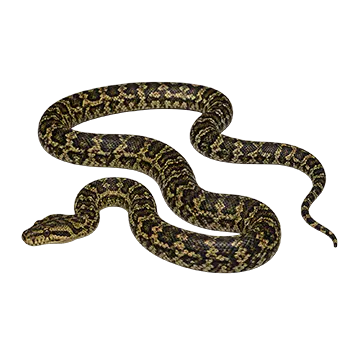

The transition from manageable senior decline to end-of-life deterioration can be gradual or sudden in carpet pythons. Recognizing the difference between normal aging and terminal decline is one of the most difficult aspects of long-term snake keeping. Signs that a carpet python may be entering its final phase of life include a sustained and progressive refusal to eat over many months, significant muscle wasting that does not respond to nutritional intervention, and a general loss of alertness and responsiveness.
Physical indicators of terminal decline include persistent difficulty shedding despite optimal humidity conditions, chronic or recurrent infections that no longer respond to treatment, visible masses or swelling that indicate advanced neoplasia, and a progressive loss of coordination or muscle control. A snake that can no longer hold a normal coiled posture, that lies stretched out and unresponsive for extended periods, or that shows signs of neurological impairment such as head tremors or inability to right itself is likely experiencing severe systemic decline.
Changes in the snake's interaction with its environment can also signal end-of-life progression. A carpet python that no longer seeks warmth, does not react to the opening of its enclosure, or fails to drink water when it is offered has lost fundamental survival behaviors. While individual bad days happen even in healthy snakes, a pattern of disengagement from normal life activities over days and weeks is a meaningful indicator.
Keepers who have maintained health logs throughout their carpet python's life are in the best position to identify these changes objectively. Comparing current behavior and body condition to documented baselines from the snake's prime years provides context that subjective observation alone cannot match. When the overall trend shows steady, unrecoverable decline across multiple health indicators, it is time to begin considering end-of-life options.