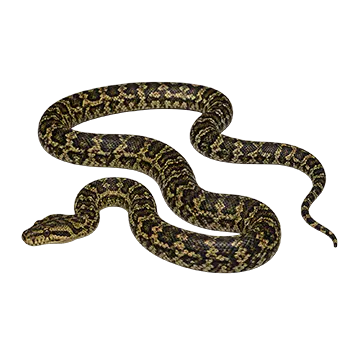

The First 24 Hours

Carpet python hatchlings emerge from their eggs after an incubation period of roughly 50 to 65 days. When a hatchling first breaks through the eggshell using its egg tooth, it may remain partially inside the egg for several hours. This is completely normal and the hatchling should never be forcibly removed from the egg, as it may still be absorbing the remaining yolk sac which provides critical early nutrition and hydration.

Once fully emerged, hatchlings typically measure between 12 and 18 inches in length. They will appear alert but may remain coiled and relatively still as they orient themselves to their new environment. During this initial period, the hatchling's priority is adjusting to breathing air and regulating its own body temperature for the first time outside the controlled conditions of incubation.

The hatchling should be placed into a small, secure enclosure with appropriate warmth and humidity. A small tub with ventilation holes works well during this stage. Avoid handling the hatchling during the first 24 hours except to transfer it to its setup. Fresh water should be available immediately, though feeding should not be attempted until after the first shed.

It is important to observe the hatchling without disturbing it during this settling-in period. Look for signs of normal respiration, a clean and sealed navel area where the yolk sac was attached, and overall alertness. Any hatchling that appears lethargic, has an open or weeping navel, or shows difficulty breathing should be evaluated by a reptile veterinarian as soon as possible.

First Feeding & Nutrition

Carpet python hatchlings will not eat until after their first shed, which typically occurs within 7 to 14 days of hatching. Attempting to feed before this shed is futile and can add unnecessary stress. Once the hatchling has completed its first shed cleanly, it can be offered its first meal. Appropriately sized pinky mice or fuzzy mice are standard first prey items, depending on the size of the individual hatchling.

The prey item should be no wider than the widest point of the hatchling's body. Overfeeding or offering oversized prey can lead to regurgitation, which is dangerous for young snakes and can create a cycle of feeding reluctance. If the hatchling refuses its first offering, remove the prey item and wait several days before trying again. Some hatchlings may take several attempts before accepting food.

For reluctant feeders, several techniques can encourage a first meal. Scenting a pinky mouse with lizard scent or placing the hatchling and prey in a small, darkened container overnight can trigger a feeding response. Warming the prey item slightly above room temperature can also make it more appealing. Pre-killed or frozen-thawed prey is always recommended over live prey to prevent injury to the hatchling.

Once feeding is established, hatchlings should be offered appropriately sized meals every 5 to 7 days. Consistent feeding at this stage supports healthy growth and helps establish a reliable feeding response that will make husbandry easier as the snake matures. Keep a feeding log to track acceptance, refusals, and any regurgitation events.

Developmental Milestones

During the first few months of life, carpet python hatchlings undergo rapid development. The first major milestone is the initial post-hatching shed, which signals that the snake's metabolism is active and it is ready to begin feeding. This shed should come off in one complete piece. Incomplete sheds at this stage can indicate humidity problems in the enclosure and should be addressed promptly.

By four to six weeks of age, a healthy hatchling that is feeding regularly will begin to show noticeable growth. The body will fill out slightly and the snake will become more active, particularly during evening and nighttime hours. Carpet pythons are naturally crepuscular to nocturnal, and even young hatchlings will display increased activity during low-light periods.

Around the two to three month mark, hatchlings become more confident and begin displaying the semi-arboreal tendencies that are characteristic of the species. They will climb branches and perches within their enclosure and may begin to establish preferred resting spots. This is an important behavioral milestone that indicates the snake is settling into its environment and feeling secure.

Growth rate varies among individual hatchlings and between the various carpet python subspecies. Jungle carpets and coastal carpets tend to grow somewhat faster than inland or diamond carpets. Regardless of subspecies, consistent feeding, proper temperatures, and low stress levels are the primary drivers of healthy early development.

Enclosure & Environment

Hatchling carpet pythons do best in small, secure enclosures rather than large vivaria. A plastic tub or small terrarium measuring roughly 12 by 8 by 6 inches provides an appropriately sized space for a new hatchling. Small enclosures help the young snake feel secure and make it easier to locate and consume prey. As the snake grows, the enclosure size should be increased gradually.

Temperature is critical for hatchling health and digestion. A thermal gradient should be established with a warm side of approximately 88 to 90 degrees Fahrenheit and a cool side around 78 to 80 degrees. An undertank heat pad connected to a thermostat is the safest and most reliable method of providing belly heat. Heat lamps can be used but must be carefully regulated to prevent burns, especially in small enclosures.

Humidity should be maintained between 50 and 65 percent for most carpet python subspecies. A small water dish provides drinking water and contributes to ambient humidity. During shedding periods, humidity can be temporarily increased to 70 percent by lightly misting the enclosure or adding dampened sphagnum moss to a hide. Proper humidity prevents retained sheds and supports respiratory health.

Substrate choices for hatchlings include paper towels, newspaper, or reptile-safe paper-based bedding. These options allow easy monitoring of waste and urate output, which is an important indicator of hydration and digestive health. More naturalistic substrates such as coconut fiber can be introduced once the hatchling is feeding consistently and has passed the delicate early weeks.

Early Handling & Temperament

Carpet pythons have a well-earned reputation for being nippy as hatchlings, and new keepers should be prepared for defensive behavior. Hatchlings rely on biting as their primary defense mechanism, and even captive-bred individuals may strike when approached. This behavior is entirely normal and does not indicate a permanently aggressive temperament. With consistent, gentle handling, most carpet pythons calm significantly as they grow.

Handling should not begin until the hatchling has fed successfully at least two or three times and is well established in its enclosure. Once this threshold is met, brief handling sessions of five to ten minutes every few days help the snake acclimate to human contact. Always approach from the side rather than from above, as overhead movement mimics a predator and triggers a defensive response.

Support the hatchling's body fully during handling and allow it to move through your hands at its own pace. Avoid gripping or restraining the snake, which will increase stress and defensive behavior. If the hatchling strikes, remain calm and do not flinch or drop the snake, as sudden movements reinforce the idea that biting is an effective deterrent.

Over time, regular handling builds trust and reduces defensive reactions. Many carpet pythons become quite tolerant of handling as juveniles and adults, though individual temperament varies. The investment in patient, consistent handling during the hatchling phase pays significant dividends in producing a calmer, more manageable adult snake.

Health Screening & Veterinary Care

All carpet python hatchlings should be evaluated by a veterinarian experienced with reptiles within the first few weeks of acquisition. A basic wellness check includes an oral exam to look for signs of mouth rot or respiratory infection, an assessment of body condition, and examination of the vent and navel area for any abnormalities. A fecal exam to check for internal parasites is strongly recommended, as parasites are common even in captive-bred hatchlings.

Common health concerns in hatchling carpet pythons include respiratory infections, which present as wheezing, open-mouth breathing, or visible mucus around the nostrils and mouth. These infections are frequently linked to improper temperatures or excessive humidity and can progress rapidly in young snakes. Early veterinary intervention is essential for a good outcome.

Retained sheds are another frequent issue, particularly around the eyes and tail tip. Retained eye caps can impair vision and lead to infection if not addressed. A warm, shallow soak and gentle assistance with a damp cloth can resolve minor retained shed, but persistent or recurring issues require veterinary attention and a thorough review of enclosure humidity levels.

Keepers should establish a relationship with a qualified reptile veterinarian before acquiring a hatchling rather than scrambling to find one during an emergency. Reptile medicine is a specialized field, and not all veterinary practices have the expertise to treat snakes effectively. Having a trusted vet identified in advance ensures that any health concerns can be addressed quickly and appropriately.

When to Worry

While carpet python hatchlings are generally hardy when provided with proper husbandry, certain warning signs require immediate attention. Persistent refusal to feed beyond three to four weeks after the first shed may indicate an underlying health issue, improper temperatures, or excessive stress. While occasional meal refusals are normal, prolonged anorexia in a hatchling is cause for concern and warrants a veterinary evaluation.

Regurgitation is a serious red flag in hatchlings. If a hatchling regurgitates a meal, feeding should be suspended for at least 10 to 14 days to allow the digestive tract to recover. The enclosure temperatures and prey size should be carefully reviewed. Repeated regurgitation episodes can be life-threatening and require veterinary intervention to identify and address the root cause.

Lethargy, prolonged soaking in the water dish, and unusual posturing such as stargazing, where the snake holds its head elevated and appears disoriented, can indicate neurological problems, inclusion body disease, or severe infection. These symptoms should never be dismissed as quirky behavior, especially in a young snake that should otherwise be active and alert.

Any discharge from the mouth, nose, or vent is abnormal and requires prompt veterinary assessment. Similarly, swelling along the body, visible mites, or a failure to grow despite regular feeding are all indicators that something is wrong. Early intervention is always preferable to a wait-and-see approach with hatchlings, as their small body size means they have limited reserves to fight illness on their own.

Always consult a qualified professional before making any health-related decisions. This content is provided for informational reference only and should not replace professional guidance specific to your animal.