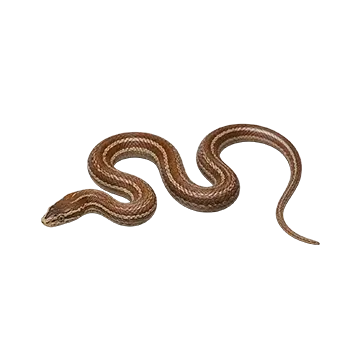

Distinguishing the natural slowing of a senior Cape House Snake (Boaedon capensis) from the onset of terminal decline is one of the most difficult judgments a keeper faces, and it requires honest assessment grounded in long-term observation rather than a single moment of concern. Terminal decline is characterized by a cluster of progressive, irreversible changes that occur over weeks to months rather than the gradual, manageable shifts associated with normal aging. While an aging snake may eat less frequently and move more slowly, a snake in terminal decline typically ceases feeding entirely, loses weight progressively despite stable environmental conditions, and shows a sustained deterioration in its overall responsiveness and engagement with its environment.
Persistent anorexia lasting more than eight to twelve weeks in a senior Cape House Snake — particularly one that has been a reliable feeder throughout its life — is one of the most significant indicators of terminal decline. While seasonal fasting and pre-shed appetite suppression are normal, prolonged food refusal in an older animal that is not brumating and has no identifiable husbandry issue warrants serious concern. The snake may show initial interest in prey by tongue-flicking but fail to strike, or it may ignore the presence of food entirely. This behavioral shift often reflects advanced organ dysfunction, systemic pain, or the progression of a condition that has overwhelmed the body's compensatory mechanisms.
Progressive weight loss that continues despite the keeper's best efforts to encourage feeding is another hallmark of terminal decline. The snake's body will become increasingly angular, with the spine becoming prominent along the dorsal midline, the ribs becoming palpable or visible through the skin, and the head appearing disproportionately large relative to the diminishing body. Muscle wasting accelerates as the body begins catabolizing its own tissues for energy, and the snake's grip strength and locomotor coordination deteriorate noticeably. These physical changes, when progressive and unresponsive to supportive care, indicate that the animal's decline is unlikely to be reversed.
Behavioral changes accompany the physical deterioration. A snake in terminal decline may stop utilizing the thermal gradient, remaining stationary in one location regardless of the temperature at that spot. It may cease burrowing, stop visiting its water dish, and become unresponsive to stimuli that previously prompted a reaction — such as the vibration of the enclosure being opened or the presence of prey scent. Some terminally declining snakes exhibit an almost paradoxical increase in restlessness, moving aimlessly around the enclosure in an apparent state of disorientation. Either pattern — profound lethargy or disoriented activity — represents a departure from the animal's established behavioral baseline and signals a serious underlying problem.