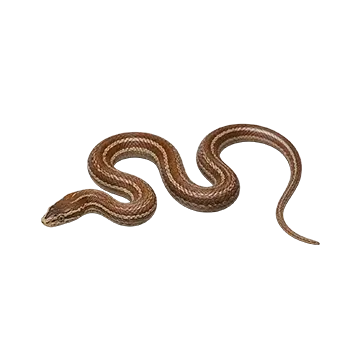

Pre-Breeding Assessment & Conditioning

Successful breeding of Cape House Snakes (Boaedon capensis) begins months before any introduction of male to female, with a thorough assessment of both prospective breeders to confirm that they are physically and developmentally ready for the demands of reproduction. Males should be at least eighteen months old and in robust body condition, while females must be a minimum of twenty-four months old, in excellent health, and have reached a body weight of at least one hundred grams — though larger, heavier females tend to produce larger, healthier clutches and recover from egg production more quickly. Breeding underweight or immature animals significantly increases the risk of complications including egg binding, post-laying debilitation, and reduced hatchling viability.

Both animals should be screened for parasites and any underlying health conditions before the breeding season begins. A fecal examination to rule out internal parasites and a thorough physical assessment by a reptile-experienced veterinarian ensure that neither animal carries a condition that could be exacerbated by the physiological stress of breeding. Females in particular should be in peak body condition, as the metabolic demands of vitellogenesis (yolk production) and egg development draw heavily on stored fat and calcium reserves. A female that enters the breeding season underweight or nutritionally compromised is at elevated risk of dystocia and metabolic bone disease.

Conditioning for breeding involves a simulated cooling period that replicates the seasonal temperature drop Cape House Snakes experience in their native southern African range. Beginning in late autumn, daytime temperatures should be gradually reduced over a two-week period to a range of 68 to 72 degrees Fahrenheit during the day and 60 to 65 degrees at night, while maintaining the standard photoperiod or reducing it slightly to ten hours of light and fourteen hours of dark. This cooling period should last approximately six to eight weeks. Feeding should be suspended during the cooling period, as the snake's metabolism is too slow to process food at reduced temperatures, and undigested prey can decay in the gut and cause serious illness.

Rewarming after the brumation period should be equally gradual, raising temperatures back to normal maintenance levels over a period of ten to fourteen days. Once temperatures have stabilized at their standard values, offer both animals a small meal and allow them to feed and defecate normally before proceeding with introductions. Females should be offered two to three consecutive meals to begin rebuilding their nutritional reserves before breeding commences. The rewarming and refeeding phase is not merely a transition step — it is the physiological trigger that initiates reproductive cycling in both sexes, and rushing through it can reduce fertility and breeding success.

Courtship & Mating

Introduction of the male to the female's enclosure is the standard protocol for Cape House Snake breeding, as introducing the female to the male's territory can provoke territorial aggression and disrupts the female's established sense of security in her own enclosure. Place the male into the female's enclosure during the evening hours, when both animals are naturally most active, and observe their initial interaction closely. The male will typically begin tongue-flicking rapidly and tracking the female's scent trail within minutes of introduction, following her chemical cues around the enclosure as he assesses her receptivity.

Courtship behavior in Cape House Snakes is relatively subtle compared to the dramatic combat dances and chin-rubbing displays seen in some other snake species. The male approaches the female and aligns his body alongside hers, often resting his chin on her dorsal surface and slowly advancing toward her cloacal region. Gentle body undulations and tactile stimulation through the male's spurs — vestigial pelvic remnants present in some Boaedon species — may be part of the courtship sequence. If the female is receptive, she will allow the male to align his tail with hers and copulation will occur, a process that typically lasts from thirty minutes to several hours.

If the female is not receptive, she will move away from the male, coil tightly to prevent tail alignment, or in some cases display active defensive behavior such as striking or rapid flight. These rejection signals should be respected immediately by removing the male and reattempting introduction after five to seven days. Forced or repeated introductions in the face of clear rejection increase stress for both animals and do not improve breeding success. Most breeders find that allowing the female to dictate the pace of courtship results in higher mating success rates and less physical trauma to both participants.

Multiple mating sessions are recommended to maximize the probability of fertilization. After a successful copulation, remove the male and allow both animals to rest for three to five days before reintroduction. Three to five successful matings spread over two to three weeks provide ample opportunity for sperm transfer and storage. Cape House Snake females possess functional sperm storage tubules in the oviduct that allow them to store viable sperm for several weeks, so a single mating can technically result in fertilization, but multiple matings provide reproductive insurance and may increase clutch size and hatchling viability.

Gravidity & Egg Deposition

Following successful mating, female Cape House Snakes enter a period of gravidity (egg development) that lasts approximately four to six weeks before egg deposition. During this period, the female's appetite may initially increase as she metabolizes nutrients to fuel vitellogenesis, then decline sharply or cease entirely in the final two to three weeks as the developing eggs occupy an increasing proportion of the abdominal cavity and compress the digestive tract. This pattern of initial feeding followed by pre-lay anorexia is entirely normal and should not cause alarm. Continue offering food on the normal schedule and simply remove uneaten prey after twenty-four hours without attempting to force-feed or harass the snake into eating.

Physical changes during gravidity are visible to an attentive keeper. The female's midsection will swell noticeably as the eggs develop, and individual egg outlines may be visible as distinct lumps along the posterior two-thirds of the body in slender individuals. The female may spend increased time basking on the warm side of her enclosure, as elevated temperatures accelerate egg development, and she may become more reclusive and defensive than usual. Some gravid females exhibit a behavior called inverted basking, in which they position themselves belly-up under the heat source to maximize thermal transfer to the developing eggs. This posture is sometimes alarming to inexperienced keepers but is a normal and well-documented behavior in many oviparous snake species.

A suitable egg deposition site must be provided well in advance of the expected laying date. A humid laying box — a plastic container with a secure lid and a single entrance hole, filled with three to four inches of damp sphagnum moss or vermiculite — should be placed on the warm side of the enclosure at least two weeks before laying is anticipated. The interior humidity of the box should be high, around 80 to 90 percent, while the substrate should be moist but not waterlogged. Providing this dedicated laying site encourages the female to deposit her eggs in a controlled, contained environment rather than scattering them across the enclosure substrate.

Egg deposition typically occurs during the night or early morning hours and may take several hours to complete. A typical clutch consists of eight to sixteen eggs, though first-time breeders and smaller females may produce fewer. The eggs are soft-shelled, elongated, and white to cream-colored, and they are often loosely adherent to one another in a cluster. Once the female has finished laying and moved away from the clutch, the eggs should be carefully transferred to a prepared incubation container without rotating or separating adherent eggs, as rotation can detach the developing embryo from the inner shell membrane and cause mortality.

Incubation Management

Successful incubation of Cape House Snake eggs requires stable temperature, consistent humidity, and minimal disturbance over a period of approximately fifty-five to seventy days. The incubation medium — typically a one-to-one ratio by weight of vermiculite to water, or a commercial reptile incubation substrate — should be evenly moistened so that it clumps when squeezed but does not drip free water. The eggs should be gently pressed into shallow depressions in the substrate, buried approximately halfway, with any adherent eggs kept in their natural orientation. Mark the top of each egg with a non-toxic pencil to ensure orientation is maintained if the eggs are inadvertently moved during inspection.

Incubation temperature is the single most critical variable and directly affects both development time and hatchling viability. A temperature of 80 to 84 degrees Fahrenheit produces consistent results, with eggs at the warmer end of this range hatching in approximately fifty-five to sixty days and those at the cooler end taking sixty-five to seventy days. Temperatures above 88 degrees can cause developmental abnormalities and embryonic death, while temperatures below 75 degrees dramatically slow development and may result in weakened or non-viable hatchlings. A dedicated reptile egg incubator with a thermostat accurate to within one degree provides the most reliable temperature control, though a thermostat-regulated heat mat in a well-insulated container can achieve satisfactory results.

Humidity within the incubation container should remain between 80 and 95 percent throughout the incubation period. Excessive ventilation dries out the substrate and the eggs, leading to desiccation and embryonic death, while insufficient ventilation allows carbon dioxide buildup and promotes mold growth. Opening the incubation container briefly every three to four days for visual inspection and air exchange is sufficient. During these inspections, check each egg for signs of mold (fuzzy white or green growth on the shell surface), discoloration, or collapse. Healthy developing eggs will appear turgid and may develop visible veins beneath the shell surface when candled with a small penlight — a process that should be performed gently and briefly to minimize thermal disruption.

Infertile eggs and eggs that have died during development will become apparent within the first two to three weeks of incubation. Infertile eggs typically remain yellow and translucent without developing visible vasculature, and they may begin to collapse or develop mold. Eggs containing dead embryos may discolor to a brownish or grayish hue and emit a faintly unpleasant odor. Remove these non-viable eggs promptly to prevent mold from spreading to healthy developing eggs. Handle all eggs with clean hands or clean gloves to avoid introducing contaminants, and resist the temptation to candle or handle eggs excessively, as each disturbance carries a small risk of damaging the developing embryo.

Post-Laying Recovery for the Female

Egg production is the single most physiologically demanding event in a female Cape House Snake's life, and post-laying recovery must be managed with the same care and attention given to any other critical stage. Immediately after laying, the female will appear visibly depleted — her body will be noticeably thinner than before gravidity, her muscle tone will be reduced, and she may be lethargic for the first twenty-four to forty-eight hours. This exhaustion is normal and expected. Provide a clean enclosure with fresh water, stable temperatures, and secure hides, and allow the female to rest undisturbed for at least seventy-two hours before offering food.

The first post-lay meal should be a small, easily digestible prey item — a single fuzzy or small adult mouse rather than the larger prey the female may have been eating before the breeding season. Offering a modestly sized meal reduces the risk of regurgitation in a female whose digestive system has been compressed and inactive during the final weeks of gravidity. If the first meal is accepted and digested without incident, subsequent meals can gradually increase in size over the following two to three weeks until the female is back on her normal adult feeding schedule.

Nutritional recovery following egg laying typically takes four to eight weeks of consistent feeding before the female returns to her pre-breeding body condition. During this period, feeding frequency can be increased slightly — perhaps every seven to ten days rather than the standard ten to fourteen days — to accelerate the rebuilding of fat and muscle reserves. Calcium supplementation through the use of prey items dusted with a reptile-safe calcium powder may be beneficial during the recovery period, as egg production draws heavily on the female's calcium stores and depletion can lead to metabolic bone disease or compromised future clutch quality.

Breeding females should not be bred in consecutive seasons without a recovery year between clutches. Producing eggs in back-to-back years depletes the female's nutritional reserves, shortens her overall lifespan, and results in progressively smaller clutches with lower hatchling viability. A responsible breeding schedule allows the female a full year of rest and recovery between reproductive efforts, during which she is maintained on a standard adult feeding and husbandry regimen. This approach prioritizes the long-term health of the breeding female and produces the healthiest, most vigorous offspring over the course of her reproductive career.

Genetic Considerations & Record Keeping

Responsible breeding of Cape House Snakes requires attention to genetic diversity and lineage tracking to prevent the accumulation of inbreeding depression within captive populations. Cape House Snakes are bred in relatively small numbers compared to more popular species like corn snakes or ball pythons, which means that the captive gene pool is correspondingly narrower. Breeders should maintain detailed records of the parentage of every animal in their collection and avoid mating closely related individuals — siblings, parent-offspring pairs, and half-siblings should never be bred together. Obtaining unrelated breeding stock from different breeders or geographic sources introduces new genetic material that strengthens the overall health and vigor of offspring.

Morphological and color variants in Cape House Snakes are of growing interest to breeders, and several naturally occurring color forms — including melanistic, hypomelanistic, and albino variants — are established in captive lines. Breeding for specific morphological traits requires a working understanding of basic reptile genetics, including the distinction between dominant, recessive, and co-dominant inheritance patterns. Breeders should educate themselves on the specific genetics of any morphs they work with and avoid perpetuating genetic combinations that are associated with health defects. Genetic integrity should never be sacrificed for aesthetic novelty.

Comprehensive breeding records are the backbone of any responsible captive breeding program. Each breeding event should be documented with the identities of both parents, dates of introduction and confirmed copulations, dates of ovulation if determinable, laying date, clutch size, number of fertile versus infertile eggs, incubation parameters, hatch dates, and the condition and sex of each hatchling. These records serve multiple purposes: they allow the breeder to identify the most productive pairings, track genetic lineage across generations, detect fertility problems early, and provide prospective buyers with verifiable provenance information for each animal.

Breeders should also consider the broader ethical implications of producing additional animals. Before breeding, confirm that there is adequate demand or suitable homes for the expected number of hatchlings. Cape House Snakes are not as commercially popular as some other species, and producing a clutch of twelve hatchlings without a plan for their placement can lead to overcrowded collections, animals being surrendered to rescues, or substandard care. A thoughtful breeder produces only the number of animals they can reasonably expect to place in quality homes, and maintains any unsold hatchlings to the same standard of care as their adult breeding stock.

Always consult a qualified professional before making any health-related decisions. This content is provided for informational reference only and should not replace professional guidance specific to your animal.