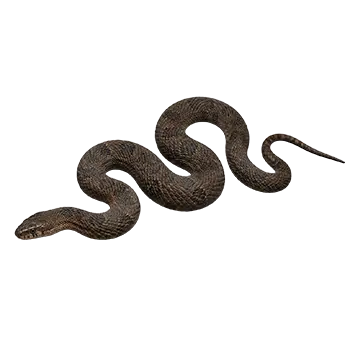

Sexual Maturity & Breeding Readiness

Brown Water Snakes (Nerodia taxispilota) reach sexual maturity at different rates depending on sex, growth rate, and overall body condition. Males generally become reproductively capable between eighteen and twenty-four months of age, while females typically require twenty-four to thirty-six months to reach sufficient size and body condition for safe, successful reproduction. Size is a more reliable indicator of breeding readiness than age alone; males should ideally be at least twenty-four inches in total length, while females should measure a minimum of thirty inches and be in robust body condition with well-developed fat reserves before being considered as breeding candidates.

Assessing breeding readiness in females requires evaluation of both physical condition and overall health status. A female that is underweight, recovering from illness, or carrying a significant parasite burden should not be bred, as the physiological demands of gestation and parturition will compound existing health challenges and may result in reproductive failure, dystocia, or maternal death. The female should have a well-rounded body with no visible spine or rib outlines, firm muscle tone, and a history of consistent feeding and normal shedding for at least six months prior to the onset of breeding conditioning. Females that have been bred in previous seasons should be given at least one full year of rest between reproductive cycles to allow complete recovery of body condition and energy reserves.

Males require less rigorous pre-breeding assessment but should nonetheless be healthy, well-fed, and free of parasites before introduction to a female. Sperm production in male Nerodia occurs during the late summer and autumn months, with spermatogenesis continuing through the brumation period so that males emerge in spring with mature sperm ready for copulation. Males that have not undergone a brumation period may still attempt to mate but often produce reduced quantities of viable sperm, resulting in lower fertilization rates and smaller litter sizes.

Genetic considerations should factor into any captive breeding program for Brown Water Snakes. Pairing closely related individuals increases the risk of inbreeding depression, which can manifest as reduced litter size, increased neonatal mortality, developmental abnormalities, and diminished immune competence in offspring. Maintaining accurate lineage records for all breeding stock and sourcing unrelated individuals from different collection localities when establishing breeding pairs are fundamental practices for producing genetically robust offspring.

Brumation & Pre-Breeding Conditioning

Successful captive breeding of Brown Water Snakes almost invariably requires a period of brumation, the reptilian analog of mammalian hibernation, to synchronize reproductive cycling in both sexes. In the wild, Brown Water Snakes brumate during the cooler months of November through February, retreating to underground retreats, root systems along riverbanks, or other protected refugia where temperatures remain cool but above freezing. Replicating this seasonal cooling period in captivity is the single most important factor in triggering the hormonal cascades that drive ovulation in females and sperm maturation in males.

Pre-brumation preparation begins in early autumn with a gradual reduction in feeding frequency, followed by a complete cessation of feeding approximately two to three weeks before temperatures are lowered. This fasting period allows the snake to fully digest and clear any remaining food from its gastrointestinal tract, as undigested prey can putrefy in the gut during the reduced metabolic state of brumation, causing potentially fatal bacterial infections. During this pre-brumation fasting period, water should remain available at all times, and the snake should be monitored for any signs of illness that would make brumation inadvisable.

The brumation period itself should span approximately eight to twelve weeks at temperatures between 50 and 60 degrees Fahrenheit. The temperature reduction should be gradual, decreasing by two to three degrees per day over the course of one to two weeks until the target brumation temperature is reached. A cool, dark room such as an unheated basement, a temperature-controlled wine cooler, or a dedicated brumation chamber with thermostat control can all serve as brumation environments. Throughout the brumation period, the snakes should be checked weekly for signs of illness, dehydration, or abnormal weight loss, and fresh water should be available at all times even though the animals will drink infrequently at reduced temperatures.

Emergence from brumation should mirror the gradual cooling process in reverse, with temperatures increased by two to three degrees per day until normal operating temperatures are restored. Feeding should resume one to two weeks after the return to normal temperatures, beginning with small prey items and gradually increasing to normal meal sizes. Females will typically undergo a post-brumation shed within two to four weeks of warming, and this shed event signals the onset of ovarian follicular development. The period between this post-brumation shed and the subsequent pre-ovulatory shed is the optimal window for introducing the male, as the female is most receptive to mating during this interval.

The photoperiod should be adjusted in coordination with the temperature cycle. Reducing the light period to eight hours of light and sixteen hours of darkness during brumation reinforces the seasonal signals that drive reproductive conditioning. Upon emergence, gradually extending the light period back to twelve or fourteen hours of light per day over the course of two to three weeks simulates the lengthening spring days that trigger hormonal activation in wild populations.

Courtship & Mating Behavior

Courtship in Brown Water Snakes follows the general natricine pattern and is initiated by the male, who detects the female's reproductive readiness through chemical cues released from her skin and cloacal glands. When a reproductively primed male is introduced to a receptive female's enclosure, he will typically begin tongue-flicking rapidly along the female's body, paying particular attention to the dorsal surface and the cloacal region. This chemical investigation may continue for minutes to hours before progressing to the tactile phase of courtship, during which the male aligns his body alongside the female and begins rhythmic undulations and chin-rubbing along her dorsum.

Copulation occurs when the female signals receptivity by remaining stationary and elevating her tail to expose the cloaca. The male positions his tail beneath the female's and everts one of his two hemipenes into the female's cloaca. The copulatory connection is maintained by small spines on the hemipenis surface that anchor it within the female's reproductive tract. Mating events in Nerodia species typically last from thirty minutes to several hours, during which both animals remain relatively still. Multiple copulatory events over the course of several days to two weeks are normal and desirable, as repeated mating increases the likelihood of successful fertilization.

The breeding encounter should be supervised, particularly during the initial introduction, to ensure that aggression does not escalate to a dangerous level. While courtship in Brown Water Snakes is generally less violent than in some other natricine species, males can become overly aggressive in their pursuit of an unreceptive female, and females may respond with vigorous defensive biting if they are not ready to mate. If the female consistently flees from the male, strikes at him repeatedly, or shows no sign of receptivity after twenty-four to forty-eight hours of cohabitation, the pair should be separated and introduction reattempted after the female's next shed cycle.

Multiple paternity is common in Nerodia species, and some breeders intentionally pair a female with two or more unrelated males during a single breeding season to maximize genetic diversity within the resulting litter. If this approach is used, males should be introduced sequentially rather than simultaneously, with each male given twenty-four to forty-eight hours of access to the female before being removed and replaced by the next. Simultaneous introduction of multiple males can result in intense male-male combat and injury to both the males and the female.

Gestation & Maternal Care

Following successful mating, the gravid female Brown Water Snake undergoes a gestation period of approximately three to four months, with parturition typically occurring between late July and early October depending on the timing of mating and ambient temperature conditions. The female should be returned to her own enclosure after the mating period ends and managed with particular attention to thermal support, hydration, and nutritional recovery during the demanding gestation period.

Feeding during early gestation should resume promptly, as the female needs to rebuild energy reserves depleted during brumation and support the metabolic demands of developing embryos. Offer smaller, more frequent meals rather than large meals during gestation, as the expanding clutch of developing embryos progressively reduces the space available in the body cavity for large food boluses. Many gravid females shift their feeding behavior during the second half of gestation, accepting prey less frequently or refusing food entirely during the final two to four weeks before parturition. This late-gestation anorexia is normal and should not be countered with forceful feeding attempts.

The gravid female's thermoregulatory behavior changes noticeably during gestation. Most gravid females develop a strong preference for the warm end of the enclosure and will spend extended periods basking at temperatures they would not normally sustain for long durations. This behavioral thermophily is believed to optimize embryonic development rates and should be accommodated by ensuring that the basking area is accessible, appropriately heated to 88 to 92 degrees, and large enough for the female to rest her entire body comfortably. Some breeders provide a supplemental heat source positioned slightly higher than the normal basking setup to give gravid females access to elevated temperatures without overheating the entire enclosure.

As parturition approaches, the female will undergo a characteristic pre-parturition shed, typically occurring ten to twenty days before delivery. Following this shed, the female becomes increasingly restless, moving frequently between the warm and cool zones of the enclosure, soaking in the water feature for extended periods, and exhibiting a noticeable increase in ventilatory rate. The body profile changes visibly in the final days, with the posterior portion of the body appearing distended and the developing neonates sometimes visible as distinct lumps beneath the ventral scales. The keeper should prepare a clean, secure birthing container with moist paper towel substrate, shallow water access, and a warm ambient temperature of 82 to 85 degrees in anticipation of delivery.

Brown Water Snakes do not provide post-partum parental care. Once the female has completed delivery, she should be gently removed from the birthing container and returned to her own enclosure for recovery. The neonates are fully independent from the moment of birth and should be separated from the mother and from each other within the first twenty-four hours to prevent stress and cannibalism, which, while uncommon in Nerodia, can occur in confined conditions with large litters.

Neonatal Assessment & Litter Management

A typical Brown Water Snake litter ranges from fifteen to forty neonates, with litter size strongly correlated to the size, age, and body condition of the mother. First-time mothers tend to produce smaller litters of ten to twenty neonates, while large, well-conditioned females in their reproductive prime may deliver thirty to forty or more. Each neonate should be individually assessed within the first twenty-four hours after birth for overall vigor, body condition, the presence of any developmental abnormalities, and signs of retained fetal membranes or umbilical complications.

Healthy neonates are active, responsive, and capable of independent locomotion and defensive behavior from the moment of birth. They should have a well-formed body with no visible kinks, bends, or asymmetries in the spine, a fully absorbed yolk sac with a cleanly closed umbilical site, and clear, bright eyes. Any neonates exhibiting lethargy, inability to right themselves when placed on their backs, spinal deformities, or failure to absorb the yolk sac should be separated from the healthy animals and monitored closely. Minor umbilical abnormalities often resolve within the first few days, but severe deformities or persistent yolk sac retention typically carry a poor prognosis.

Stillborn neonates and undeveloped embryonic material, collectively referred to as slugs, are a normal occurrence in Nerodia litters and do not necessarily indicate a problem with the breeding or gestation management. A stillbirth rate of five to fifteen percent is within normal range for the species. Rates significantly higher than this may suggest issues with brumation conditions, male fertility, maternal health during gestation, or genetic incompatibility between the parents. All birth material should be documented and, if possible, preserved for veterinary examination to help identify any patterns that might inform future breeding decisions.

Litter management logistics present a practical challenge for breeders, as even a moderate litter of twenty neonates requires twenty individual enclosures, twenty water dishes, and a reliable supply of appropriately sized feeder fish sufficient to feed the entire cohort on a regular schedule. Breeders should have all neonatal housing, feeding supplies, and record-keeping systems prepared well before the expected parturition date. Each neonate should be assigned an individual identification number or marking system to facilitate tracking of feeding response, growth rate, shed cycles, and any health issues across the litter. Planning for the eventual placement of neonates through responsible sale, trade, or adoption is also an essential component of breeding program management.

Post-Breeding Recovery & Female Health

The post-partum period is a critical phase for the breeding female, as the combined physiological demands of brumation, mating, and gestation leave her in a significantly depleted condition. Immediately following parturition, the female will typically appear visibly thin, with a pronounced concavity along the posterior body where the developing neonates were carried. Muscle tone may be reduced, and the female's defensive behavior is often subdued compared to her normal temperament. These changes are expected and resolve over the following weeks with proper nutritional support and undisturbed rest.

Feeding should resume within five to seven days after parturition, beginning with smaller prey items than the female normally consumes. The initial post-partum meals serve to restart the digestive system after the late-gestation fasting period and begin the process of replenishing depleted fat and protein reserves. Over the course of two to three weeks, meal size can be gradually increased back to the female's normal ration, and feeding frequency should be temporarily increased to once every seven to ten days for the first two months of the recovery period. This accelerated feeding schedule provides the caloric surplus needed to rebuild body condition to pre-breeding levels.

Hydration management is equally important during post-partum recovery. The female should have continuous access to clean, fresh water in a container large enough for full-body soaking. Many post-partum females soak extensively during the first week after delivery, and this behavior appears to support rehydration, muscle recovery, and the passage of any retained reproductive material. The water should be changed at least daily during this period, as residual birth fluids and cloacal discharge are common for several days following parturition.

A post-breeding veterinary examination is advisable within two to four weeks of parturition, particularly for first-time mothers or females that experienced any complications during delivery. The examination should include palpation of the reproductive tract to confirm that no retained neonates or fetal membranes are present, assessment of body condition and hydration status, and fecal parasite screening. Retained reproductive material is a potentially life-threatening complication that can cause septicemia if not identified and treated promptly. Radiographic or ultrasonographic imaging may be recommended if palpation findings are inconclusive.

The decision of whether to breed a female in the following season should be based on her recovery trajectory rather than on a fixed calendar. A female that has fully restored her pre-breeding body condition, is feeding enthusiastically, and shows no residual health issues by the following autumn may be considered for breeding again. However, many experienced breeders adopt a conservative approach of breeding females every other year or every third year, which allows complete physiological recovery and significantly reduces the cumulative toll that repeated reproduction places on the female's body over her lifetime.

Always consult a qualified professional before making any health-related decisions. This content is provided for informational reference only and should not replace professional guidance specific to your animal.