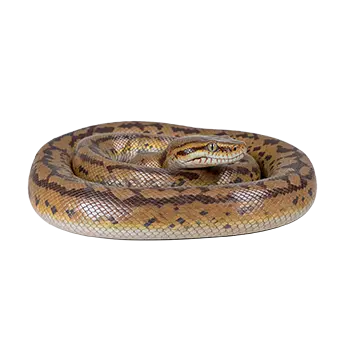

The distinction between normal aging and terminal decline in an Argentine Rainbow Boa can be difficult to identify at first, as many of the signs overlap with the gradual changes described in the senior care stage. Terminal decline is characterized by the acceleration and compounding of age-related deterioration beyond the point where supportive care can stabilize or reverse the trajectory. A snake entering this phase may exhibit a cluster of symptoms that individually might be manageable but together paint a picture of systemic failure.
Chronic and irreversible appetite loss is one of the most telling indicators of terminal decline. While senior Argentine Rainbow Boas may skip meals periodically, a snake in terminal decline will cease feeding entirely over a period of weeks to months, showing no interest in prey regardless of type, size, or presentation method. Weight loss accelerates visibly, with the spine becoming prominently palpable, the flanks hollowing out, and the overall body tone degrading from firm musculature to a soft, deflated quality. This progressive wasting reflects the body's inability to sustain normal metabolic function.
Neurological changes may emerge as terminal decline progresses. Disorientation, loss of the righting reflex, uncoordinated movement, stargazing posture in which the snake holds its head vertically and seems unable to lower it, and failure to track movement or respond to tactile stimulation are all potential neurological symptoms. These signs may reflect organ failure, terminal infection, neoplastic disease affecting the nervous system, or age-related neurodegeneration. A reptile veterinarian can help determine whether the neurological changes are treatable or represent an irreversible decline.
Respiratory function may deteriorate in the terminal phase, particularly if the snake has a history of respiratory infections or if underlying organ failure is producing fluid accumulation. Labored breathing, persistent open-mouth respiration, audible gurgling or wheezing, and visible effort in each breath cycle all indicate severe respiratory compromise. In the context of an already declining elderly snake, respiratory failure is often the proximate mechanism by which death occurs, and aggressive treatment at this stage rarely improves outcomes meaningfully.