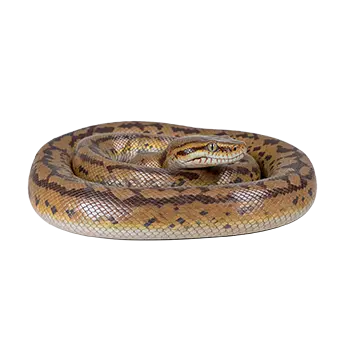

Successful reproduction of Argentine Rainbow Boas begins long before the animals are introduced to each other. Both the male and the female must meet specific criteria for size, age, body condition, and health status before breeding should be attempted. Males are generally capable of breeding by eighteen to twenty-four months of age and a minimum length of approximately thirty inches, though waiting until the male is at least two years old ensures greater physical maturity and higher fertility. Females require more stringent thresholds and should not be bred until they have reached at least three years of age, a minimum length of approximately forty-two inches, and a body weight of at least 800 grams, preferably closer to one thousand.
Breeding a female that has not reached adequate size and weight carries significant risks including dystocia, also known as egg or birth binding, compromised maternal health during the extended gestation period, production of undersized or nonviable neonates, and prolonged post-partum recovery that can take months. These risks are entirely preventable through patience and responsible evaluation of the female's readiness. A female that is marginal in any of the readiness criteria is better served by another year of growth and conditioning before breeding is attempted.
Both prospective parents should be free of parasites, respiratory infection, and any chronic health conditions before entering a breeding cycle. A pre-breeding veterinary examination including a fecal parasite screen and general wellness assessment establishes a baseline and identifies any subclinical issues that could complicate breeding. Particular attention should be paid to the female's body condition score, as she will need substantial energy reserves to sustain herself through gestation, a period during which she may reduce or cease feeding entirely.
Pairing selection in Argentine Rainbow Boas involves considerations of genetic compatibility and lineage diversity. Breeding closely related animals increases the risk of inbreeding depression, which can manifest as reduced litter size, decreased neonate viability, developmental abnormalities, and overall reduced vigor in offspring. Responsible breeders maintain accurate records of the parentage and origin of all breeding stock and select pairings that maximize genetic diversity within their program.