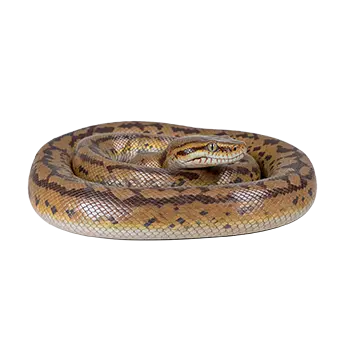

Argentine Rainbow Boa Species Guide - Furry Critter Network

Argentine Rainbow Boa

Quick Facts

🔬 Scientific Name
Epicrates alvarezi
⚕️ Venom Status
Non-venomous
📊 Care Level
Intermediate
😊 Temperament
Shy
📏 Adult Size
3-4 feet
⏱️ Lifespan
15-20 years
🌡️ Temperature Range
75-82°F warm end, 68-72°F cool end, basking 85-88°F
💧 Humidity Range
50-70%
🍽️ Diet Type
Carnivore
🌍 Origin
Argentina, Paraguay
📐 Size
Small

Argentine Rainbow Boa - Names & Recognition

The Argentine Rainbow Boa, scientifically known as Epicrates alvarezi, represents the southernmost and smallest member of the rainbow boa genus. The species name honors Argentine herpetologist Blas Alvarez. Their common name references both their Argentine origin and their membership in the spectacular iridescent rainbow boa group.

Within the reptile hobby, these snakes may also be called Alvarez's Rainbow Boa or Southern Rainbow Boa, distinguishing them from the larger, more tropical rainbow boa species. Their compact size has earned informal names like Dwarf Rainbow Boa, though they're a distinct species rather than a dwarf form of another.

The genus Epicrates contains numerous species ranging from the Caribbean islands through Central and South America. Argentine Rainbow Boas occupy the southern extreme of this distribution, extending into temperate South American regions. This southern range has produced adaptations for cooler temperatures and seasonal variation that distinguish their care from tropical Epicrates species.

Argentine Rainbow Boa Physical Description

Argentine Rainbow Boas are compact, slender snakes typically reaching only 3-4 feet in length as adults, making them the smallest rainbow boa species. Females grow slightly larger than males but remain notably smaller than other Epicrates. Their modest size combined with rainbow boa beauty creates unique appeal.

The characteristic iridescence adorning all rainbow boas displays beautifully on Argentine specimens. Microscopic scale structures diffract light into rainbow spectrums visible across their bodies. This stunning optical effect appears equally dramatic despite their smaller size, creating spectacular displays under appropriate lighting.

Base coloration typically features brown, tan, or grayish tones with darker markings along the dorsal surface. Pattern elements include rings, saddles, or irregular blotches that may appear more subdued than in Brazilian Rainbow Boas. Some individuals display reddish or orange highlights. Overall coloration is attractive if somewhat less vibrant than tropical relatives.

Their head is modestly distinct from the neck, with heat-sensing labial pits along the jaw margins. Eyes are proportionally large with vertical pupils. Scales are smooth and polished, contributing to the iridescent effect. Their slender build and smaller proportions give them an elegant, graceful appearance distinct from heavier-bodied boa species.

Handling Tolerance
Argentine Rainbow Boas can become tolerant of handling with patient, consistent interaction. They tend toward shyness rather than aggression, preferring to hide rather than strike. Regular gentle handling gradually builds confidence, though they may never become as bold as some species.
Temperament
These boas display shy, retiring temperaments rather than defensive aggression. They prefer concealment over confrontation. While this makes them less nippy than Brazilian Rainbow Boas, it also means they may remain somewhat nervous. Patient keepers are rewarded with gradual trust.
Activity Level
Argentine Rainbow Boas display moderate activity levels during evening and nighttime hours. They explore when they feel secure but spend considerable time hidden. Their secretive nature means less visible activity than more bold species, but they patrol enclosures after dark.
Space Requirements
As the smallest rainbow boa species, Argentine Rainbow Boas have modest space requirements. A 3x2x2 foot enclosure houses adults comfortably. Their compact size makes them suitable for keepers with limited space who still want rainbow boa beauty.
Shedding Frequency
Adults typically shed every 6-8 weeks under optimal conditions. Maintaining proper humidity of 60-70% during shedding ensures complete sheds. Their moderate humidity tolerance makes shed management more forgiving than with humidity-sensitive species.
Heating Requirements
Argentine Rainbow Boas tolerate cooler temperatures than tropical rainbow boas, reflecting their southern range. Basking spots of 85-88°F with cool ends around 68-72°F suit them well. They can experience seasonal temperature drops without ill effects.
Humidity Sensitivity
These boas require moderate humidity of 50-70%, tolerating drier conditions than Brazilian Rainbow Boas. Their adaptation to Argentina's varied climate creates greater environmental flexibility. A humid hide supplements ambient conditions during shedding.
Feeding Difficulty
Argentine Rainbow Boas are generally reliable feeders accepting appropriately sized frozen-thawed rodents. Their smaller size means smaller prey items, potentially reducing feeding costs. Occasional feeding reluctance may occur during cooler periods.

Temperament

Argentine Rainbow Boas typically display shy, retiring temperaments rather than the defensive aggression seen in some rainbow boa species. When threatened, they prefer to hide rather than strike. This nervous disposition can challenge keepers expecting bold snakes but rewards patient handlers with gradually increasing trust.

Their shy nature means initial handling attempts may result in escape attempts rather than bites. Argentine Rainbow Boas often tense and attempt to retreat into secure spaces. Forcing handling on reluctant individuals increases stress without building trust. Patient, brief sessions allowing the snake to explore voluntarily produce better outcomes over time.

Feeding behavior tends toward reliable if not aggressive. Argentine Rainbow Boas accept appropriately sized prey but may lack the enthusiastic feeding response seen in larger Epicrates. Some individuals show seasonal feeding variation, reducing intake during cooler periods. This pattern reflects natural seasonal cycling and shouldn't concern informed keepers.

Nocturnal and crepuscular activity patterns characterize their behavior. Daytime finds them securely hidden, often in tight spaces that make them feel protected. Activity increases after dark when they explore their enclosures and may feed. Their secretive nature means patient evening observation reveals behaviors invisible during daylight hours.

With consistent, gentle handling over months, most Argentine Rainbow Boas develop reasonable handling tolerance. They may never achieve the bold confidence of more extroverted species but can become calm, tractable pets. Keepers should appreciate their shy nature rather than trying to force different personalities.

Enclosure & Husbandry

Housing Argentine Rainbow Boas requires enclosures appropriately sized for these compact snakes. A minimum of 3x2x2 feet accommodates adults well—notably smaller than enclosures needed for larger Epicrates. This modest space requirement suits keepers with limited room who desire rainbow boa beauty.

Enclosure construction should balance humidity retention with the ventilation these temperate-adapted snakes require. PVC enclosures work well when ventilation prevents excessive humidity buildup. Glass terrariums function effectively given their moderate humidity needs. Secure latching prevents escapes from these slender snakes.

Substrate selection should support moderate humidity without creating overly damp conditions. Aspen shavings, cypress mulch, or coconut fiber work well. Maintain substrate slightly damp rather than wet. A depth of 2 inches allows burrowing behavior these secretive snakes appreciate.

Temperature management should reflect their temperate origins. The warm end should maintain 78-82°F with a basking spot of 85-88°F, while the cool end can drop to 68-72°F—cooler than tropical species tolerate. Always use a reliable thermostat with any heating element. Seasonal temperature cycling, with winter lows around 65°F at night, may benefit long-term health.

Humidity levels of 50-70% suit Argentine Rainbow Boas well. Their moderate humidity needs make them less demanding than Brazilian Rainbow Boas. A water bowl contributes to humidity while providing drinking and occasional soaking opportunities. A humid hide offers supplemental moisture during shedding periods.

Furnishing should emphasize security given their shy nature. Multiple tight-fitting hides at various temperatures are essential—these snakes need to feel hidden. Cork bark tubes, snug hide boxes, and secure retreats reduce stress. Modest climbing opportunities suit their semi-arboreal tendencies. Abundant visual barriers create security throughout the enclosure.

Feeding & Nutrition

Argentine Rainbow Boas are carnivorous constrictors accepting appropriately sized rodent prey. Their smaller size means smaller prey items—adult mice to small rats for most specimens. This reduced prey size can decrease feeding costs compared to larger boa species while still providing complete nutrition.

Prey sizing follows standard guidelines—items approximately equal to or slightly larger than the snake's mid-body girth. Adult Argentine Rainbow Boas typically consume adult mice or weaned rats. Their smaller mouth gape limits maximum prey size. Avoid oversized prey that may cause regurgitation.

Feeding frequency varies with age and season. Growing juveniles benefit from feeding every 7-10 days. Subadults transition to every 10-14 days. Adults typically thrive on feeding every 2-3 weeks. Reduce feeding frequency during cooler periods when their metabolism naturally slows.

Seasonal feeding variation may occur, particularly if keepers allow natural temperature cycling. Reduced appetite during cooler months reflects natural seasonal patterns and shouldn't prompt attempts to force feed. Warming temperatures in spring typically restore normal feeding behavior.

Frozen-thawed prey represents the safest option. Thaw to room temperature before offering with feeding tongs. Their feeding response tends toward reliable without excessive aggression. Patient presentation allows shy individuals to take prey at their own pace.

Provide fresh, clean water in an appropriately sized bowl. Argentine Rainbow Boas drink regularly and may soak occasionally. Change water when soiled. Avoid handling for 48 hours after feeding to prevent regurgitation of meals.

Argentine Rainbow Boa Health & Lifespan

Argentine Rainbow Boas maintained under appropriate conditions can live 15-20 years in captivity. Their adaptation to temperate climates produces notable hardiness when husbandry respects their natural requirements. Avoiding over-tropical conditions prevents many health issues that arise from treating them like their humidity-dependent relatives.

Argentine Rainbow Boas thrive when keepers respect their temperate adaptations rather than applying tropical boa husbandry. Their hardiness rewards appropriate care with long, healthy lives. Understanding their distinct requirements prevents the humidity-related problems that occur when they're treated like Brazilian Rainbow Boas.

Common Health Issues

  • Respiratory infections can develop in Argentine Rainbow Boas kept in cold - Damp conditions without adequate ventilation, presenting as wheezing, mucus discharge, and lethargy requiring veterinary antibiotic treatment.
  • Excessive humidity causes respiratory and skin problems in this temperate-adapted species - Maintaining appropriate moderate humidity levels rather than tropical conditions prevents these issues.
  • Retained shed occurs when humidity drops too low during shedding cycles - Causing stuck skin around eye caps and tail tips. A humid hide during shedding prevents this common problem.
  • Internal parasites may affect specimens from questionable sources - Causing weight loss and digestive issues. Fecal examinations and appropriate deworming address infections when identified.
  • Stress-related feeding refusal affects shy individuals kept in overly exposed enclosures - Providing abundant hiding opportunities and reducing disturbance typically restores feeding behavior.
  • Scale rot develops from prolonged contact with wet - Unsanitary substrate, causing discoloration and ulceration. Maintaining appropriate substrate moisture levels prevents this condition.

Preventive Care & Health Monitoring

  • Maintain appropriate temperatures using reliable thermostats - Avoiding over-heating that stresses this temperate species while ensuring adequate warmth for thermoregulation.
  • Monitor humidity with accurate hygrometers - Maintaining 50-70% levels rather than the high humidity Brazilian Rainbow Boas require. Excess humidity harms this species.
  • Provide abundant secure hiding spaces throughout the enclosure to reduce stress in these naturally shy snakes - Supporting feeding behavior and overall health.
  • Establish quarantine protocols for new specimens - Minimum 60 days isolated, , including veterinary fecal examinations, to identify and treat parasites before introduction to collections.

Handling & Care

Handling Argentine Rainbow Boas requires patience appropriate for their shy temperaments. Unlike more defensive species that may strike, these snakes typically attempt to escape or hide when approached. Their nervous nature means handling success depends on building trust gradually rather than forcing interaction.

Initial handling sessions should be brief—5 minutes or less—allowing the snake to acclimate to human contact without becoming overwhelmed. Support their body gently while letting them move through your hands. Avoid restraining tightly, which increases stress. As comfort develops over weeks to months, session length can gradually increase.

Approach timing matters for shy snakes. Handling during their natural active period (evening) may encounter more alert individuals. Daytime handling disturbs rest but may find calmer, less reactive snakes. Experiment to determine what works best for your individual.

Respect their preference for security during handling. Argentine Rainbow Boas often seek enclosed spaces—sleeves, shirt pockets, or gaps between fingers. Allowing this hiding behavior while handling can actually build positive associations with human contact rather than forcing exposed handling they find stressful.

Regular handling maintains whatever tolerance develops and provides health monitoring opportunities. Check for respiratory sounds, retained shed, or behavioral changes. Their naturally shy baseline means unusual boldness or excessive lethargy may indicate issues worth investigating.

Suitability & Considerations

Argentine Rainbow Boas suit intermediate keepers seeking compact rainbow boas with more temperate care requirements than tropical species demand. Their combination of small size, moderate humidity needs, and tolerance for cooler temperatures creates accessible keeping for those finding Brazilian Rainbow Boa requirements challenging.

Their modest space requirements represent a significant advantage. The 3x2x2 foot enclosure fits easily into most homes. Keepers with limited space can still enjoy rainbow boa iridescence without massive enclosures. This accessibility opens rainbow boa keeping to apartment dwellers and those with space constraints.

Temperate adaptations simplify environmental control. Their tolerance for cooler temperatures and moderate humidity reduces the climate control challenges tropical species present. Keepers in cooler climates find Argentine Rainbow Boas more manageable than humidity-dependent tropical relatives.

Their shy temperament requires appropriate expectations. Those seeking bold, handleable snakes may find Argentine Rainbow Boas frustrating. Keepers who appreciate observing interesting animals without requiring extensive interaction find them rewarding. Understanding this temperament prevents disappointment.

Financial considerations favor these compact boas. Smaller enclosures, smaller prey items, and reduced heating costs compared to larger or more tropical species minimize ongoing expenses. Their hardiness when properly maintained typically reduces veterinary needs.

Availability may limit acquisition options. Argentine Rainbow Boas are less commonly bred than Brazilian or Colombian Rainbow Boas. Patience in locating reputable breeders who specialize in this species ensures healthy, well-established specimens. Wild-caught imports should be avoided in favor of captive-bred animals.