
Physical Maturity and Characteristics

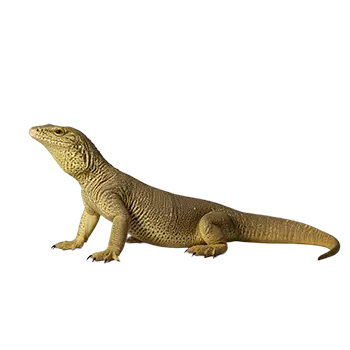
The Argus Monitor, Varanus panoptes, reaches physical maturity between two and three years of age, at which point most individuals measure between three and a half and five feet in total length, with exceptional males occasionally exceeding this range under optimal captive conditions. Sexual dimorphism becomes clearly evident in mature specimens, as adult males develop broader, more robust heads, thicker tail bases housing the hemipenes, and overall heavier musculature through the shoulders and forelimbs compared to females of equivalent age. A fully grown male Argus Monitor is a powerfully built animal that carries its weight forward of center, giving it a distinctive front-heavy profile when viewed from the side. Adult females, while somewhat smaller and more gracefully proportioned, are by no means delicate animals and retain the species' characteristic strength and physical presence.

The adult coloration of the Argus Monitor stabilizes during the transition from subadult to full maturity and varies across the species' subspecific range. Varanus panoptes horni, the subspecies most commonly encountered in the pet trade, typically displays a dark brown to nearly black dorsum patterned with rows of bright yellow or cream ocelli, while the ventral surface is pale cream to yellowish with variable dark mottling. The intensity of the ocelli patterning is influenced by both genetics and environmental factors, with animals maintained under high-quality UVB lighting and provided with nutrient-complete diets generally displaying more vivid and sharply defined markings than those kept under suboptimal conditions. Some degree of color change occurs in response to temperature and arousal state, with warm, basking animals appearing slightly lighter than cool or stressed individuals.

Once skeletal growth plateaus, the keeper's primary concern shifts from supporting rapid development to maintaining optimal body condition throughout the animal's adult life. An Argus Monitor in prime condition should present a smoothly muscled body with no visible vertebral ridges or prominent hip bones, a rounded and well-filled tail base that tapers evenly to the tip, and a firm abdominal profile that is neither sunken nor pendulously distended. Obesity is a significant and underrecognized problem in adult varanids, particularly those fed heavily on rodent prey without adequate exercise opportunity. An obese Argus Monitor develops visible fat pads at the base of the tail, along the flanks, and in the jowl region, and this excess adiposity contributes to hepatic lipidosis, reproductive complications, and reduced lifespan in the same manner as it does in obese mammals.

The adult Argus Monitor retains the species' high metabolic rate relative to comparably sized reptiles, and this elevated metabolism drives the active, inquisitive behavior that makes the species both rewarding and demanding to keep. An adult in its prime years should be alert, responsive to environmental stimuli, feeding with enthusiasm, and displaying regular cycles of basking, exploring, burrowing, and resting that reflect a well-regulated circadian rhythm. Lethargy, sustained loss of appetite, or a marked reduction in activity level in an adult animal that has previously been active and engaged warrants prompt investigation, as these behavioral changes in a varanid are often the earliest indicators of underlying disease.

Long-Term Diet and Feeding Management

Feeding an adult Argus Monitor is an exercise in balancing adequate nutrition against the ever-present risk of obesity that plagues captive varanids fed ad libitum on calorie-dense prey. The adult diet should be diverse, incorporating appropriately sized rodents, whole quail or day-old chicks, large insects including adult dubia roaches and superworms, whole fish such as smelt or tilapia fillets, raw shrimp, and occasional whole eggs with shell. The prey base should be rotated regularly so that no single item dominates the diet for extended periods, ensuring broad micronutrient coverage and preventing the fixation on a preferred prey type that reduces the animal's willingness to accept alternatives.

Feeding frequency for an adult Argus Monitor in good body condition should be reduced significantly from the juvenile schedule. Most adults do well on three to four meals per week, with each meal consisting of an appropriately portioned serving that the animal consumes completely within a single feeding session. One or two fasting days per week are physiologically appropriate and mirror the intermittent feeding pattern the species experiences in the wild, where prey capture is neither guaranteed nor daily. The total weekly caloric intake should be calibrated to maintain stable body weight as determined by monthly weigh-ins, with upward or downward adjustments made in small increments based on the trend rather than any single measurement.

Rodent prey remains the most calorie-dense component of the adult diet and must be offered with restraint. A single appropriately sized rat or two to three adult mice per feeding session, offered two to three times per week, provides the backbone of the protein and fat intake without promoting excessive weight gain. Feeding multiple large rats at a single sitting or offering rodent prey daily is a reliable recipe for hepatic lipidosis, the single most common diet-related pathology in captive varanids. Supplementing rodent meals with lower-calorie insect and fish offerings on alternate feeding days creates a more metabolically balanced weekly profile that sustains the animal's energy needs while keeping body fat within a healthy range.

Calcium and vitamin supplementation for adult Argus Monitors can be further reduced from juvenile levels provided the diet includes regular whole-prey items with intact skeletal material. Insect prey should still receive a light calcium dusting at each offering, but the heavy daily D3 supplementation of the growth phase is no longer necessary in an adult that is maintained under adequate UVB lighting and consuming whole vertebrate prey several times per week. A broad-spectrum multivitamin applied to insect prey once weekly is sufficient to address potential micronutrient gaps. Over-supplementation of fat-soluble vitamins in mature animals carries genuine risk of hypervitaminosis, and more is emphatically not better when it comes to vitamin A and D3 in an animal that is no longer growing.

Water provision for the adult Argus Monitor requires a heavy, large-capacity dish that the animal can soak in fully. Many adult monitors will immerse themselves for extended periods, particularly in the hours leading up to a shed, and this soaking behavior serves hydration, thermoregulatory, and integumentary functions. The water dish must be heavy enough or secured firmly enough that the monitor cannot tip it during entry and exit, as a spilled water dish in a warm enclosure creates a sudden humidity spike and substrate saturation that promotes bacterial and fungal growth. Daily water changes and twice-weekly dish sanitization remain essential, as the combination of warm water and organic waste creates an ideal medium for pathogenic microorganisms.

Permanent Enclosure Design

Housing an adult Argus Monitor requires a permanent enclosure that provides the space, thermal gradients, and structural complexity necessary to support the animal's physical and behavioral needs for the duration of its life. The minimum recommended enclosure size for a single adult Argus Monitor is eight feet long by four feet deep by four feet tall, though many experienced keepers advocate for even larger dimensions, particularly for adult males that may exceed four and a half feet in total length. Custom-built enclosures constructed from sealed plywood with a waterproofed interior, PVC panel systems, or repurposed commercial fixtures such as modified reach-in cooler cabinets are the most practical options for housing at this scale, as appropriately sized glass or acrylic enclosures are prohibitively expensive, extremely heavy, and thermally inefficient.

Substrate management in the adult enclosure is a logistically significant commitment that directly impacts the animal's welfare. A minimum substrate depth of ten to twelve inches is required across the enclosure floor to support the deep burrowing behavior that is central to the species' thermoregulatory and stress-management strategy. The soil-sand blend used during the juvenile phase scales directly to the adult enclosure, though the sheer volume of material involved at this scale means that full substrate replacements are labor-intensive and should be planned quarterly, with spot-cleaning of soiled areas conducted weekly. Some keepers manage the substrate on a bioactive model, incorporating springtails, isopods, and appropriate microfauna to process organic waste and extend the interval between full replacements, though the high basking temperatures required by the species limit the viability of custodian populations in the warm end of the enclosure.

The basking zone in the adult enclosure must deliver surface temperatures of 150 to 165 degrees Fahrenheit across an area large enough for the entire animal to bask simultaneously. Achieving this across a basking surface sized for a four-to-five-foot lizard typically requires a cluster of two or three high-wattage halogen flood lamps directed at a large basking platform constructed from natural stone slabs, unglazed ceramic tiles, or a reinforced flagstone shelf. The cool end of the enclosure should sit at 75 to 82 degrees Fahrenheit, and maintaining this gradient across an eight-foot enclosure is easier than in smaller setups because the additional distance naturally attenuates the heat output from the basking cluster. Nighttime temperature drops to the low 70s are appropriate and beneficial, replicating the diurnal thermal cycling the species experiences throughout its range.

Enclosure furnishings for the adult should include multiple robust hides positioned at different points along the thermal gradient, a large and stable water dish or built-in water feature, climbing structures capable of supporting the full weight of the animal, and a dedicated humid retreat stocked with damp sphagnum moss for pre-shed hydration. All structural elements must be anchored securely, as an adult Argus Monitor has the strength to dislodge heavy rocks, overturn stacked logs, and push unsecured furnishings across the enclosure floor. UVB lighting should be provided via a high-output T5 fluorescent tube or mercury vapor bulb positioned to deliver appropriate irradiance levels across the primary activity zone, and the bulb should be replaced at the manufacturer's recommended interval regardless of whether it continues to emit visible light, as UVB output degrades long before the bulb burns out visually.

Behavioral Patterns and Enrichment

An adult Argus Monitor in its prime years is among the most behaviorally complex reptiles available in the hobby, and meeting the cognitive and physical needs of this intelligent predator is essential for preventing the stereotypic behaviors and psychological stagnation that characterize under-stimulated captive varanids. A well-enriched adult Argus Monitor will display a diverse daily behavioral repertoire that includes extended basking sessions, systematic patrol circuits of its enclosure, vigorous digging and tunnel maintenance, investigatory tongue-flicking of novel objects or scents, and active engagement with its keeper during feeding and handling sessions. The absence of this behavioral diversity in an animal maintained under otherwise appropriate physical conditions is a strong indicator that the cognitive dimension of its husbandry is deficient.

Feeding enrichment is one of the most effective and easily implemented strategies for promoting natural behavior in captive Argus Monitors. Rather than presenting all meals in a predictable location and format, keepers should vary the method of food delivery to activate the animal's searching and problem-solving capacities. Burying prey items beneath the substrate surface, placing food inside opaque containers with entry holes, scattering insect prey throughout the enclosure rather than bowl-feeding, and hiding food behind movable obstacles all transform a passive feeding event into an active foraging exercise that engages the monitor's olfactory, visual, and cognitive systems. Tong-feeding remains valuable for maintaining the keeper-animal bond and conducting visual health assessments, but should represent only a portion of the total feeding interactions.

Environmental enrichment extends beyond feeding to encompass the physical and sensory complexity of the enclosure itself. Periodic rearrangement of cage furnishings introduces novelty that stimulates exploratory behavior. Adding novel objects such as different types of wood, safe plant material, textured surfaces, or objects carrying unfamiliar scents provides investigatory targets. Some keepers introduce scent trails by rubbing a prey item across surfaces within the enclosure, triggering sustained tracking behavior that can occupy the monitor for extended periods. Supervised out-of-enclosure exploration time in a secure, monitor-proofed room provides the ultimate enrichment experience, allowing the animal to exercise freely, encounter genuinely novel stimuli, and interact with its keeper in an open environment that lacks the territorial constraints of the enclosure.

The adult Argus Monitor's relationship with its keeper reaches its fullest expression during the prime years, and animals that have been consistently socialized from the hatchling stage onward are capable of remarkably nuanced interactions. Many well-socialized adults will approach the enclosure door in response to the keeper's presence, accept food gently from the hand or tongs without lunging, tolerate full-body handling for health inspections, and voluntarily climb onto the keeper's arm or shoulder when given the opportunity. This level of tractability is not universal in the species and should not be expected from every individual, but it is achievable far more often than the Argus Monitor's reputation for defensiveness might suggest. Maintaining this relationship requires continued daily or near-daily positive interactions, as even a well-tamed adult that goes weeks without handling can revert to wariness or defensive behavior.

Seasonal behavioral cycling may become apparent in adult Argus Monitors, particularly in animals maintained in environments where photoperiod and temperature fluctuate naturally with the calendar. Some adults show reduced appetite, increased restlessness, and heightened territorial behavior during the cooler months that correspond to the dry season in their native range, while females may display gravid-like behavioral changes including nest-digging and food refusal even in the absence of a male. These seasonal shifts are normal expressions of the animal's endogenous biological rhythms and should be accommodated rather than treated as problems, provided the animal's body condition remains stable and no signs of illness are present.

Preventive Health and Veterinary Care

Preventive health management for the adult Argus Monitor is structured around annual veterinary examinations, routine parasite screening, and the keeper's ongoing daily assessment of behavioral and physical health indicators. An annual wellness visit with a reptile-experienced veterinarian should include a comprehensive physical examination, a fecal parasite screen, and evaluation of body condition score against the animal's historical weight trend. Blood work, including a complete blood count and basic biochemistry panel, is a valuable addition to the annual checkup for mature monitors and can detect developing hepatic, renal, or metabolic conditions before they become clinically apparent. Establishing this baseline data set while the animal is healthy creates a reference against which future results can be compared.

Parasitic infections remain a concern in adult monitors maintained on natural substrates, though the frequency and severity tend to diminish compared to the juvenile phase as the animal's immune system matures and stabilizes. Annual fecal screening is sufficient for most well-established adults unless clinical signs suggestive of parasitic disease appear, in which case additional testing should be conducted immediately. Clinical indicators of significant parasite burden in an adult Argus Monitor include unexplained weight loss despite adequate food intake, changes in stool consistency, visible worms or worm segments in feces, and a general decline in vigor and appetite. Treatment should always be prescribed and supervised by a veterinarian, as self-dosing with over-the-counter anthelmintics carries risks of inadequate treatment, resistance development, and drug toxicity.

Obesity is the single most prevalent diet-related health condition in adult captive varanids and develops insidiously over months or years of caloric surplus. An obese Argus Monitor carries excessive fat deposits in the tail base, flanks, jowls, and intra-abdominal cavity, and this condition predisposes the animal to hepatic lipidosis, cardiovascular strain, reproductive failure, and reduced immune competence. Prevention centers on disciplined portion control, regular body condition assessment, and maintaining feeding schedules that include intentional fasting days. Treating established obesity requires a gradual caloric reduction plan supervised by a veterinarian, as aggressive food restriction can trigger hepatic lipidosis in an animal whose liver is already fat-laden.

Dental and oral health warrant regular monitoring in adult Argus Monitors, as the species' varied diet and powerful bite generate significant mechanical stress on the teeth, gingiva, and jawbone. Stomatitis, an inflammatory condition of the oral mucosa often caused by opportunistic bacterial infection following minor oral trauma, presents as reddened, swollen, or caseous patches on the gum line and inner lip tissue, and may progress to involve the bone if left untreated. Regular oral inspections during routine handling allow early detection, and most cases respond well to topical antiseptic treatment and a course of appropriate antibiotics. Advanced stomatitis that has eroded into the jawbone requires aggressive veterinary intervention and carries a guarded prognosis.

Skin and integumentary health in the adult Argus Monitor depends on proper humidity management, clean substrate, and the availability of a humid microhabitat for pre-shed hydration. Chronic dysecdysis, or incomplete shedding, in an adult animal is almost always environmental in origin and responds to corrections in humidity provision. Abscesses, which present as firm, localized swellings beneath the skin, can result from bite wounds during breeding attempts, puncture injuries from cage furnishings, or embedded foreign bodies, and require veterinary drainage, culture, and targeted antibiotic therapy. The keeper's daily visual assessment of the animal during feeding and handling remains the most important diagnostic tool, as behavioral changes and subtle physical abnormalities are nearly always detected by an attentive keeper before they become clinically severe.

Always consult a qualified professional before making any health-related decisions. This content is provided for informational reference only and should not replace professional guidance specific to your animal.