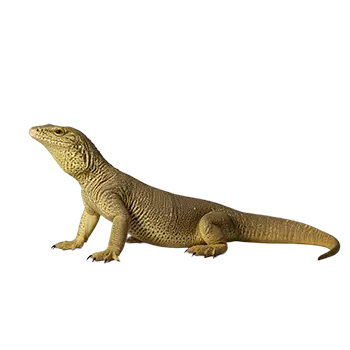

Argus Monitors, Varanus panoptes, reach sexual maturity between two and a half and four years of age under captive conditions, with the timeline influenced heavily by growth rate, nutrition, and the individual's overall health trajectory. Males generally mature slightly earlier than females and signal reproductive readiness through behavioral changes that include increased restlessness, territorial marking via cloacal rubbing on cage surfaces, intensified tongue-flicking frequency, and heightened aggression or assertiveness during handling. Physical indicators of male maturity include the development of pronounced hemipenal bulges at the tail base and a thickening of the head and neck musculature that distinguishes sexually mature males from subadults and females.
Female reproductive readiness is determined less by age than by size and body condition. A female Argus Monitor should have reached a minimum total length of approximately thirty-six to forty inches and should be carrying healthy fat reserves, particularly in the tail base, before she is considered a candidate for breeding. Introducing a female to a male before she has attained sufficient size and body condition risks egg binding, nutritional depletion, and reproductive stress that can have lasting health consequences. The female's feeding history, parasite status, and overall vigor should all be evaluated by an experienced keeper or veterinarian before breeding is attempted.
Sex determination in Argus Monitors can be accomplished through several methods, each with its own reliability profile. Manual eversion of hemipenes is possible in smaller individuals but becomes difficult and potentially injurious in larger animals. Probing, in which a lubricated probe is inserted into the cloaca to determine the presence or absence of hemipenal pockets, provides reliable results when performed by an experienced handler but carries risk of injury if conducted improperly. Ultrasound imaging by a veterinarian offers a non-invasive alternative that can also assess reproductive organ development and detect follicular activity in females. For breeders planning pairings, confirming the sex of both animals well in advance of the breeding season eliminates the waste and frustration of conditioning and introducing two animals of the same sex.
Both prospective breeding animals should be in peak health before any pairing is considered. A pre-breeding veterinary evaluation, including a fecal parasite screen and general physical assessment, ensures that neither animal is carrying conditions that could compromise reproductive success or be transmitted to the partner. Animals that are underweight, recently recovered from illness, carrying significant parasite loads, or showing any signs of chronic disease should not be bred. The physical demands of reproduction are substantial for both sexes but particularly for females, who must mobilize enormous nutritional reserves to develop and produce a clutch of eggs, and attempting to breed a compromised animal is both ethically irresponsible and practically counterproductive.