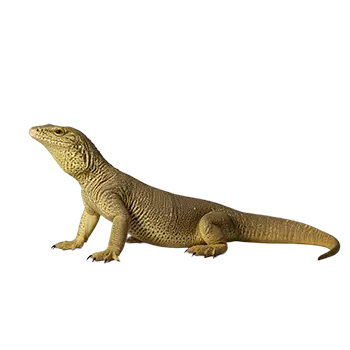

Terminal decline in an Argus Monitor, Varanus panoptes, may present as a gradual fading that unfolds over weeks or months, or it may manifest as a relatively sudden collapse in an animal that appeared stable until the compensatory capacity of a failing organ system was exceeded. Distinguishing between a treatable illness and an irreversible terminal trajectory is one of the most challenging determinations a keeper faces, and it requires close collaboration with a reptile-experienced veterinarian who can provide diagnostic context for the clinical signs being observed. The keeper's intimate knowledge of the individual animal's normal behavior, activity patterns, and personality serves as the baseline against which departures are measured, and this subjective familiarity is a diagnostic tool that no clinical test can replace.
The most common pathways to terminal decline in captive Argus Monitors include advanced renal failure, hepatic disease that has progressed beyond compensatory function, disseminated neoplasia, severe systemic infection that has not responded to treatment, and multi-organ deterioration associated with extreme old age. Regardless of the underlying cause, the visible presentation often converges on a recognizable pattern: progressive and sustained loss of appetite that does not respond to prey variation or environmental optimization, steady weight loss evidenced by a thinning tail base and increasingly prominent skeletal landmarks, a marked reduction in activity to the point where the animal remains in a single location for extended periods, and a loss of the alert, responsive demeanor that characterizes a healthy varanid.
Specific signs that suggest the animal has moved beyond the reach of curative intervention include persistent refusal of all food items over a period of two or more weeks despite appropriate temperatures and environmental conditions, urate output that has ceased entirely or has become consistently dark and concentrated despite adequate water access, a sustained loss of righting reflex or the inability to maintain a normal resting posture, open-mouth breathing at rest in the absence of acute stress, and a progressive dulling of the eyes accompanied by loss of the tongue-flicking response to novel stimuli. Any single sign may have a reversible cause, but the combination of multiple indicators in an animal with a known chronic condition or advanced age strongly suggests that the terminal phase has begun.
The emotional difficulty of acknowledging terminal decline in a companion animal is substantial, and keepers of long-lived species like the Argus Monitor may have invested fifteen years or more in a relationship with an individual animal. The instinct to pursue every possible treatment option is understandable and should be honored through honest veterinary consultation, but it must also be balanced against the recognition that continued aggressive medical intervention in a terminally declining animal can prolong suffering without meaningful possibility of recovery. The veterinarian's role in this process is to provide an honest prognosis based on diagnostic findings and clinical experience, while the keeper's role is to translate that prognosis into a care plan that prioritizes the animal's comfort and dignity.