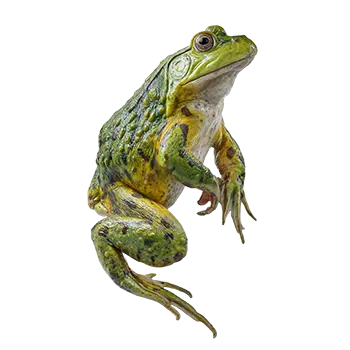

Recognizing the Aging Process

Determining when an African Bullfrog has entered its senior years is less straightforward than with many mammalian pets, as amphibians do not display the same obvious external markers of aging such as graying fur or clouding eyes. Generally, African Bullfrogs housed in stable captive conditions are considered to be entering the senior phase of their lives once they surpass approximately fifteen years of age, though individuals with exceptional genetics and optimal lifetime care may not show meaningful signs of decline until well past twenty years. The aging process in this species tends to be gradual and subtle, making regular record-keeping and attentive observation essential for recognizing the early indicators.

One of the first signs of advancing age in an African Bullfrog is a progressive decrease in overall activity level that exceeds the already sedentary baseline of a healthy adult. A senior frog will spend more time buried in its substrate or resting inside hides, emerge less frequently for nocturnal activity, and show reduced enthusiasm during feeding sessions. This change can be difficult to distinguish from the normal behavioral patterns of a species that is naturally inactive during much of the day, which is why longitudinal observation over months and years is more informative than any single snapshot assessment.

Physical changes associated with aging may include a gradual loss of muscle tone, particularly in the hind limbs, resulting in a less powerful jumping ability and a slower, more deliberate gait when the frog does move. The skin may lose some of its luster and become slightly more textured or rough between sheds. In males, the bright olive-green dorsal coloration may become somewhat muted, and the yellow throat wash associated with sexual maturity may fade. These changes are typically very gradual and may only be apparent when comparing the current animal to photographs taken years earlier.

Weight monitoring becomes increasingly important as a frog ages, because both unexplained weight loss and continued weight gain pose distinct risks in senior animals. A senior frog that is losing weight despite adequate food intake may be developing organ dysfunction, harboring an increasing parasite burden, or experiencing a gradual decline in digestive efficiency. Conversely, a senior frog that continues to gain weight is at heightened risk for obesity-related complications including hepatic lipidosis and cardiovascular strain. Monthly weight checks, recorded consistently and compared against the animal's historical baseline, provide the clearest picture of trending body condition.

Dietary Adjustments for Senior Frogs

The nutritional needs of a senior African Bullfrog shift as the animal's metabolism slows and its digestive system becomes less efficient with age. Feeding frequency should be reduced from the standard adult schedule of two to three times per week to once or twice per week for most senior individuals. The exact frequency depends on the individual frog's body condition and activity level, and adjustments should be guided by regular weight monitoring rather than by a fixed calendar. The goal is to maintain a stable, healthy body weight without either overfeeding or underfeeding the animal.

Prey selection for senior frogs should favor soft-bodied, easily digestible items over harder-shelled or chitinous prey. Nightcrawlers and red wigglers become even more valuable as dietary staples during the senior years because they are soft, nutritionally dense, and place minimal stress on the digestive tract. Hornworms and silkworms are similarly excellent choices due to their soft bodies and high moisture content. Hard-shelled prey like adult superworms and large mealworms should be offered less frequently or eliminated entirely, as the accumulation of indigestible chitin can contribute to constipation or impaction in older frogs with reduced gut motility.

Calcium supplementation remains important throughout the senior years but should be calibrated to the reduced feeding frequency. Dusting prey with calcium and vitamin D3 at every feeding ensures that bone density is maintained even as the frog's overall mineral intake decreases with fewer meals. Multivitamin supplementation once per week continues to support organ function and immune health. Some keepers of senior amphibians also offer occasional prey items gut-loaded with additional vitamins and minerals, which provides a more naturalistic route of supplementation that may be better absorbed than surface dusting alone.

Hydration management takes on added importance in senior African Bullfrogs, as aging kidneys may become less efficient at regulating fluid balance. Ensuring that the water dish is always full of clean, dechlorinated water and that enclosure humidity is maintained at appropriate levels supports kidney function and skin health. Senior frogs that appear to be soaking more frequently or for longer durations than usual may be compensating for decreased renal efficiency, and this behavioral change should be noted and discussed with a veterinarian during routine wellness visits.

Enclosure Modifications for Aging Animals

The enclosure of a senior African Bullfrog may require modifications to accommodate the physical limitations that accompany aging. Reduced mobility and diminished jumping ability mean that any vertical elements within the enclosure, such as stacked hides or elevated platforms, should be evaluated for fall risk. A senior frog that misjudges a jump or slips from a raised surface is more vulnerable to injury than a younger animal with stronger bones and faster reflexes. Keeping the enclosure layout simple and predominantly horizontal reduces the risk of traumatic falls.

The water dish deserves particular attention in a senior frog's enclosure. As the frog's hind limb strength decreases, it may have difficulty climbing in and out of a deep or steep-sided water feature. Replacing a tall-sided dish with a wider, shallower option that has a gentle ramp or a gradually sloping entry point ensures that the frog can access its soaking water without struggle. A frog that cannot easily enter or exit its water dish may avoid soaking altogether, leading to chronic dehydration, or it may become trapped in the water and at risk of drowning if it lacks the strength to haul itself out.

Substrate depth can be reduced modestly for senior frogs that are burrowing less frequently or with less vigor. A substrate layer of three to four inches, rather than the five to six inches appropriate for an active adult, still allows for some burrowing behavior while reducing the distance the frog must traverse to reach the surface. Maintaining substrate moisture at a slightly higher level than during the adult years helps compensate for any decrease in the frog's ability to seek out water independently and supports skin hydration through passive contact with damp substrate.

Temperature management in the senior enclosure should remain consistent with adult parameters, as aging frogs are more sensitive to thermal stress in both directions. The warm side should continue to provide 82 to 86 degrees Fahrenheit for proper digestion, while the cool side should stay around 72 to 76 degrees. However, some keepers find that shortening or eliminating the annual cooling cycle is beneficial for senior animals, as the metabolic depression associated with simulated dormancy places additional stress on organ systems that may already be functioning at reduced capacity. The decision to continue or discontinue seasonal cycling in a senior frog should be made in consultation with a veterinarian familiar with the individual animal's health history.

Age-Related Health Conditions

Several health conditions become more prevalent in African Bullfrogs as they age, and awareness of these conditions enables earlier detection and more effective intervention. Renal disease is among the most common age-related health problems in captive amphibians. The kidneys of a senior frog may gradually lose their ability to filter waste products and regulate fluid balance, leading to edema, lethargy, appetite loss, and changes in urate consistency or volume. Routine blood work performed during annual veterinary visits can detect rising levels of uric acid and other waste products before clinical signs become apparent, allowing for early dietary and environmental adjustments that slow disease progression.

Hepatic lipidosis, or fatty liver disease, is a condition that may not manifest clinically until the senior years, even though the underlying fat accumulation has been developing over many years of overfeeding. The liver becomes increasingly infiltrated with fat deposits that compromise its metabolic and detoxification functions. Signs include a distended abdomen, jaundice-like yellowing of the ventral skin, appetite loss, and generalized lethargy. By the time these signs are visible, the disease is often advanced. Prevention through lifelong weight management is far more effective than treatment, underscoring the importance of disciplined feeding practices throughout the frog's adult life.

Musculoskeletal degeneration, including joint stiffness and gradual loss of bone density, affects senior African Bullfrogs in ways that limit their mobility and alter their posture. An aging frog may adopt a flatter resting posture, move with less coordination, and show reluctance to strike at prey that requires a lunging movement. Continued calcium and vitamin D3 supplementation slows the progression of bone loss, but some degree of musculoskeletal decline is an inevitable component of the aging process. Adapting the feeding strategy to present prey items in close proximity to the frog, rather than requiring it to chase or lunge, helps maintain adequate nutrition despite reduced physical capability.

Neoplasia, the development of tumors or abnormal tissue growths, has been documented in senior amphibians including African Bullfrogs, though it is less common than in aging mammals. Any lump, swelling, or asymmetric growth observed on a senior frog's body should be evaluated by a veterinarian. Some growths may be benign and require only monitoring, while others may be malignant and require surgical removal or other intervention. Early veterinary assessment is always preferable, as small growths are more amenable to treatment than large ones.

Veterinary Care for Senior Frogs

The veterinary care program for a senior African Bullfrog should intensify compared to the annual wellness visits that are standard for healthy adults. Biannual veterinary examinations are recommended for frogs over fifteen years of age, with the visits ideally spaced approximately six months apart. Each examination should include a thorough physical assessment, fecal parasite screening, and blood work to evaluate kidney and liver function. These more frequent evaluations dramatically increase the likelihood of detecting age-related conditions in their early, more treatable stages.

Finding and maintaining a relationship with a veterinarian who has genuine experience with amphibian patients is particularly important during the senior years, when the complexity of potential health issues increases. Not all veterinarians who see reptile patients are equally experienced with amphibians, and the physiological differences between the two groups are significant enough that species-specific expertise matters. The Association of Reptilian and Amphibian Veterinarians maintains a directory that can help keepers locate qualified practitioners in their area. Establishing this relationship well before an emergency arises ensures that the keeper has a trusted resource available when it is needed most.

Medication administration in amphibians differs fundamentally from mammals, and senior frogs requiring treatment for any condition may need specialized drug formulations and delivery methods. Many medications used in amphibian medicine are administered via injection, topical application, or through medicated soaking baths rather than orally. The veterinarian will provide specific instructions for any prescribed treatment, and the keeper should follow these instructions precisely, as amphibians' permeable skin and unique physiology make them more sensitive to dosing errors and chemical exposure than most terrestrial vertebrates.

Palliative care and pain management are increasingly recognized as important components of senior amphibian veterinary medicine. While the assessment of pain and discomfort in amphibians is more challenging than in mammals due to the subtlety of behavioral indicators, advances in amphibian welfare science have improved the veterinary profession's ability to identify and address suffering in these animals. Changes in posture, feeding behavior, activity level, and responsiveness to stimuli can all provide clues about a senior frog's comfort level, and these observations should be communicated to the veterinarian during each visit.

Activity and Quality of Life

Assessing quality of life in a senior African Bullfrog requires an understanding of the species' natural behavioral baseline and an ability to distinguish between normal species-typical inactivity and pathological decline. A healthy senior frog will still emerge from its hide or burrow to soak, will respond to prey items with interest even if its strike speed has diminished, and will maintain a stable body weight with consistent hydration. These core behaviors, while less vigorous than during the prime years, indicate that the frog is functioning within an acceptable range and experiencing a reasonable quality of life.

Environmental enrichment for senior frogs should be adapted to their reduced activity level. Rather than offering prey that requires active pursuit, presenting food items using slow movements with feeding tongs directly in front of the frog allows the animal to feed successfully without expending excessive energy. Periodic gentle changes to the enclosure layout, such as repositioning hides or offering a new textured surface for the frog to explore, provide low-intensity stimulation that can help maintain cognitive engagement without demanding physical exertion.

The social environment of a senior frog also merits consideration. While African Bullfrogs are solitary animals that should never be cohoused with conspecifics due to their aggressive and cannibalistic nature, the frog's relationship with its keeper constitutes a form of social interaction that continues to be relevant in the senior years. Maintaining a consistent care routine, approaching the enclosure calmly and predictably, and continuing regular brief handling sessions if the frog tolerates them without distress all contribute to a stable psychological environment. Abrupt changes in routine or caretaker can cause stress in senior animals that are accustomed to established patterns.

Documenting the frog's condition with regular notes and periodic photographs creates a longitudinal record that is invaluable for tracking the gradual changes associated with aging. Subtle shifts in posture, body condition, skin quality, and behavioral patterns that are invisible on a day-to-day basis become clearly apparent when compared across months or years of documented observations. This record also provides essential context for veterinary consultations, enabling the clinician to understand the trajectory of the animal's health rather than assessing a single point in time.

Monitoring Decline and Knowing When to Act

One of the most difficult responsibilities of caring for a senior African Bullfrog is distinguishing between the normal, gradual decline associated with aging and the onset of a treatable medical condition that warrants intervention. As a general principle, any change that occurs suddenly or progresses rapidly is more likely to represent an acute medical issue than normal aging, and should prompt an urgent veterinary consultation. A frog that stopped eating yesterday requires a different level of concern than a frog that has gradually reduced its food intake over the course of several months.

Specific warning signs that should trigger immediate veterinary evaluation include sudden onset of edema or bloating, complete refusal of food lasting more than two to three weeks, noticeable difficulty maintaining normal posture or righting itself when displaced, any visible masses or lumps that were not previously present, discharge from the eyes or nares, and dramatic color changes particularly darkening or mottling of the ventral surfaces. These signs are not exclusive to senior animals, but the reduced physiological reserves of an aging frog mean that delayed intervention carries a higher risk of irreversible decline.

Progressive weight loss in a senior frog that is still accepting food items may indicate malabsorption, organ failure, or chronic infection. The rate of weight loss matters: a frog losing one to two percent of its body weight per month over a six-month period tells a very different story than one that has lost fifteen percent of its body weight in two weeks. Regular weight monitoring provides the data needed to identify these trends early, and sharing the weight log with the veterinarian enables evidence-based clinical decisions rather than subjective impressions.

As a senior African Bullfrog's condition evolves, the keeper must periodically reassess whether the animal's quality of life remains acceptable and whether continued treatment of any medical conditions is in the frog's best interest. This is an intensely personal decision that involves balancing the emotional attachment to a companion animal that may have been in the keeper's care for decades against an honest evaluation of the animal's day-to-day experience. Consulting with a veterinarian, discussing the situation with experienced keepers, and using structured quality-of-life assessment tools can help guide this process with the compassion and objectivity that the animal deserves.

Always consult a qualified professional before making any health-related decisions. This content is provided for informational reference only and should not replace professional guidance specific to your animal.